Fort Worth’s Local Security Regulations: What New Businesses Need to Know
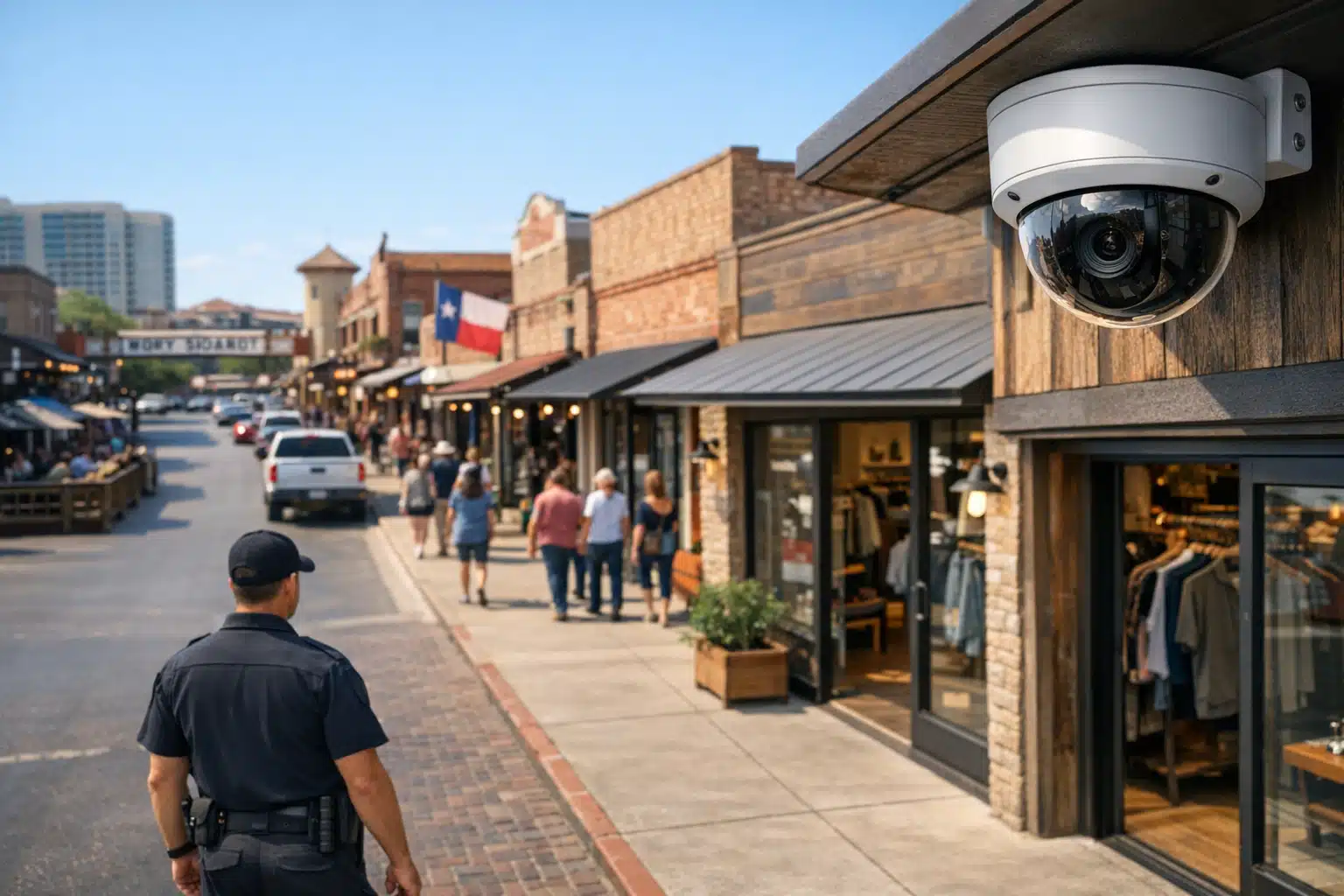
New businesses in Fort Worth should be aware that a significant number fail their initial security compliance inspections, primarily due to inadequate surveillance systems and unlicensed security personnel. Understanding and adhering to local security regulations is crucial for ensuring compliance and avoiding potential penalties.
Fort Worth’s Security Permit Requirements Hit New Businesses Hard
Fort Worth issued 2,847 new business permits in 2023, but 34% of startups failed their first security compliance inspection. Most violations centered on inadequate surveillance systems and unlicensed security personnel.
New businesses face a complex web of Fort Worth security regulations spanning city ordinances, Texas state laws, and federal requirements. Missing even one compliance step can trigger fines, delayed openings, or suspended operations.
This guide breaks down every security regulation Fort Worth startups must navigate, from Stockyards entertainment venues to West 7th retail spaces.
Fort Worth Security Guard Licensing Requirements
Texas requires all security personnel to hold valid state licenses before working in Fort Worth. The Texas Department of Public Safety oversees this process through strict background checks and training standards.
State Licensing Process
Level II Security Officer License covers most business needs. Applicants must complete 6 hours of pre-assignment training and pass state background screening.
Processing takes 4-6 weeks during peak hiring seasons. Fort Worth businesses cannot use unlicensed guards even temporarily during license delays.
Enhanced Licensing for Specialized Venues
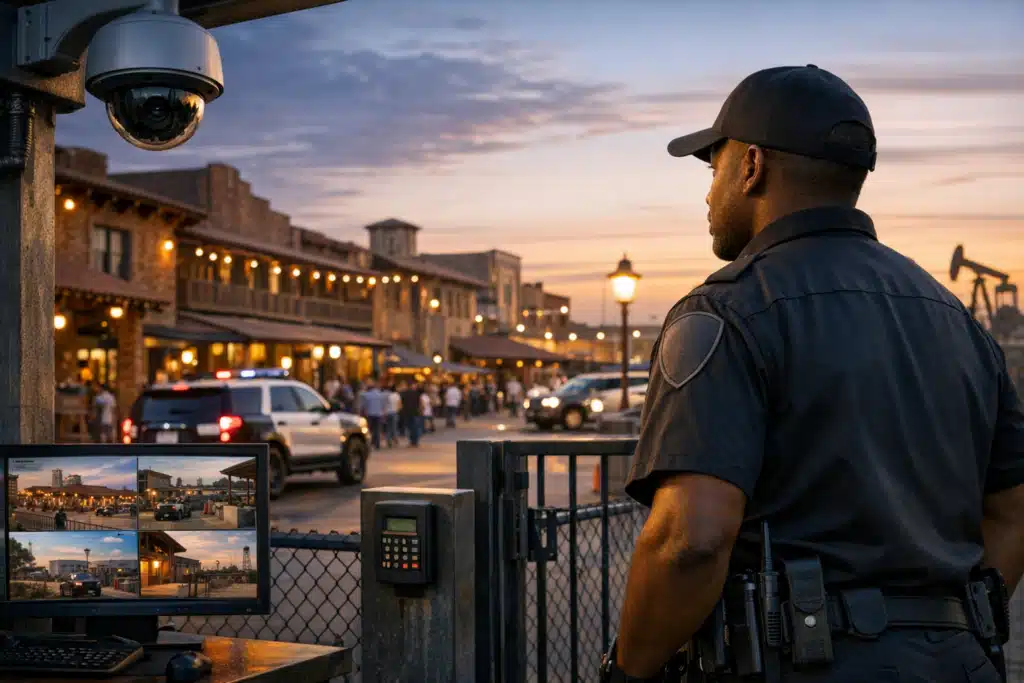
Stockyards bars and West 7th nightlife venues need Level III Personal Protection Officers. This license requires 15 additional training hours covering crowd control and conflict de-escalation.
Oil and gas facilities in Fort Worth’s industrial corridors often require Level IV Commissioned Security Officers with firearm certification.
City of Fort Worth Business Security Ordinances
Fort Worth Municipal Code Section 15-3 mandates specific security measures based on business type and location. Violations carry fines up to $2,000 per day.
Mandatory Security Camera Requirements
These Fort Worth business categories must install surveillance systems:
- Retail stores over 2,500 square feet
- Bars and nightclubs in downtown and Stockyards districts
- Check cashing services and payday loan businesses
- Gas stations open past 10 PM
- Hotels and motels with more than 20 rooms
Camera systems must record in 1080p minimum resolution and store footage for 30 days. All entry points and cash handling areas require coverage.
Alarm System Registration
Fort Worth requires businesses to register alarm systems within 10 days of installation. Registration costs $25 annually and prevents false alarm penalties.
False alarms trigger escalating fines: $50 for the third occurrence, $75 for the fourth, and $100 for each subsequent violation within 12 months.
New Business Compliance Checklist for Fort Worth Security Regulations
Follow these steps to ensure your Fort Worth startup meets all security requirements before opening:
- Submit security plan to Fort Worth Code Compliance 60 days before opening
- Install required surveillance equipment and test recording functionality
- Register alarm systems with Fort Worth Police Department
- Hire only licensed security personnel through verified Texas DPS database
- Purchase required insurance coverage including general liability and professional liability
- Schedule pre-opening inspection with city compliance officers
- Post required security signage indicating surveillance and alarm protection
Insurance Requirements for Fort Worth Security Compliance
Texas law requires security companies to carry $1 million general liability insurance and $100,000 professional liability coverage. These minimums apply to all security services operating in Fort Worth.
Additional Coverage for High-Risk Venues
Stockyards entertainment venues need $2 million aggregate coverage due to high crowd density and alcohol service. Many venues also require umbrella policies covering crowd-related incidents.
Construction sites in Fort Worth’s booming development areas require contractors pollution liability when security guards monitor equipment or materials.
Stockyards District Special Security Requirements
Fort Worth’s Historic Stockyards operates under enhanced security regulations due to tourism volume and special events. New businesses in this district face additional compliance burdens.
Event Security Protocols
Special event permits require one licensed security officer per 75 attendees for outdoor events. Indoor venues need one officer per 100 guests.
Stockyards businesses hosting live music must submit crowd management plans detailing security positioning, emergency exits, and incident response procedures.
Alcohol Service Security Standards
Bars and restaurants serving alcohol need TABC-certified security personnel during peak hours (Friday 6 PM through Sunday 2 AM).
Security officers must complete additional training on Texas alcoholic beverage laws and intervention techniques for intoxicated patrons.

 Posted on Google
Construction Site Security Regulations in Fort Worth
Fort Worth’s construction boom brings specific security requirements for job sites exceeding $500,000 in project value. These regulations protect equipment, materials, and public safety.
Perimeter Security Standards
Construction sites must maintain 8-foot perimeter fencing with locked access points. Sites storing equipment over $50,000 need additional security measures including surveillance or guard services.
Remote monitoring systems must provide 24/7 coverage with live response capabilities. Motion detection zones should cover all equipment storage areas and material stockpiles.
Environmental Compliance
Security systems on construction sites must operate during severe weather events common in North Texas. Backup power sources ensure continuous monitoring during tornado season power outages.
Flood-prone areas near the Trinity River require elevated camera installations and waterproof equipment housing.
Technology Compliance for Remote Surveillance Systems
Fort Worth accepts remote video monitoring as equivalent to on-site security for many new business compliance requirements. Systems must meet specific technical standards for legal recognition.
Video Quality and Storage Requirements
Surveillance systems must record at minimum 1080p resolution during daylight hours and 720p in low-light conditions. Audio recording requires posted notice in Texas.
Cloud storage systems must maintain data within the United States and provide law enforcement access within 24 hours of formal requests.
Live Monitoring Capabilities
Remote surveillance qualifies as active security only with live monitoring services. Automated systems without human oversight don’t satisfy Fort Worth’s security requirements for high-risk businesses.
Monitoring centers must staff licensed security personnel and maintain direct communication with Fort Worth Police Department dispatch.
Penalties for Non-Compliance with Fort Worth Security Regulations
Fort Worth enforces security violations aggressively, especially for repeat offenders. Understanding penalty structures helps new businesses prioritize compliance efforts.
Fines and Operational Impacts
First-time violations typically result in 10-day correction notices without fines. Subsequent violations trigger monetary penalties ranging from $200 to $2,000 daily.
Serious violations involving unlicensed security personnel can result in immediate business closure until compliance is achieved.
Criminal Liability Issues
Using unlicensed security guards constitutes a Class A misdemeanor under Texas law. Business owners face personal liability including fines up to $4,000 and potential jail time.
Insurance claims may be denied if incidents occur while security regulations are violated, creating significant financial exposure.
Working with Professional Security Providers
Partnering with established Fort Worth security companies simplifies compliance while ensuring effective protection. Professional providers handle licensing, insurance, and regulatory requirements.
Vetting Security Company Credentials
Verify security companies hold current Texas licenses through the Department of Public Safety database. Check insurance certificates and confirm coverage amounts meet your industry requirements.
Request references from similar Fort Worth businesses, particularly those in your industry or district.
Cost Considerations for New Businesses
Professional security services typically cost less than attempting independent compliance for new businesses. Hidden costs of licensing, insurance, and training often exceed professional service fees.
Remote surveillance systems offer 24/7 protection at lower costs than full-time guard services while maintaining compliance with most Fort Worth regulations.
Staying Current with Changing Regulations
Fort Worth security regulations evolve regularly as the city grows and crime patterns shift. New businesses must establish systems for tracking regulatory changes.
Subscribe to Fort Worth Code Compliance updates and maintain relationships with local security professionals who monitor regulatory developments.
Professional security providers like Twin City Security Fort Worth handle compliance monitoring as part of their service offerings, reducing administrative burden on business owners.
Fort Worth’s security regulations protect businesses and communities, but navigating compliance requirements challenges new entrepreneurs. Understanding these requirements before opening prevents costly delays and violations.
Twin City Security Fort Worth specializes in helping new businesses achieve compliance while implementing effective protection strategies. Contact our team at 817-922-9774 for a comprehensive security assessment tailored to your Fort Worth location and industry requirements.
Sources
- City of Fort Worth – Code Compliance Department
- Texas Department of Public Safety – Private Security Bureau
- Texas Alcoholic Beverage Commission – Licensing Requirements
- Fort Worth Police Department – Business Security Guidelines
Fort Worth's security regulations present significant challenges for new businesses, with many failing initial compliance inspections due to inadequate security measures. Understanding these requirements is essential to avoid fines and operational delays.
- In 2023, 34% of new businesses failed their first security compliance inspection in Fort Worth. Most issues were related to surveillance systems and unlicensed personnel.
- Businesses must adhere to strict licensing processes for security personnel, with specific requirements based on the type of venue and services offered.
- Failure to comply with security regulations can lead to fines, delayed openings, or even business closure until compliance is achieved.