
How to Prevent Trespassing in Fort Worth’s Industrial Zones
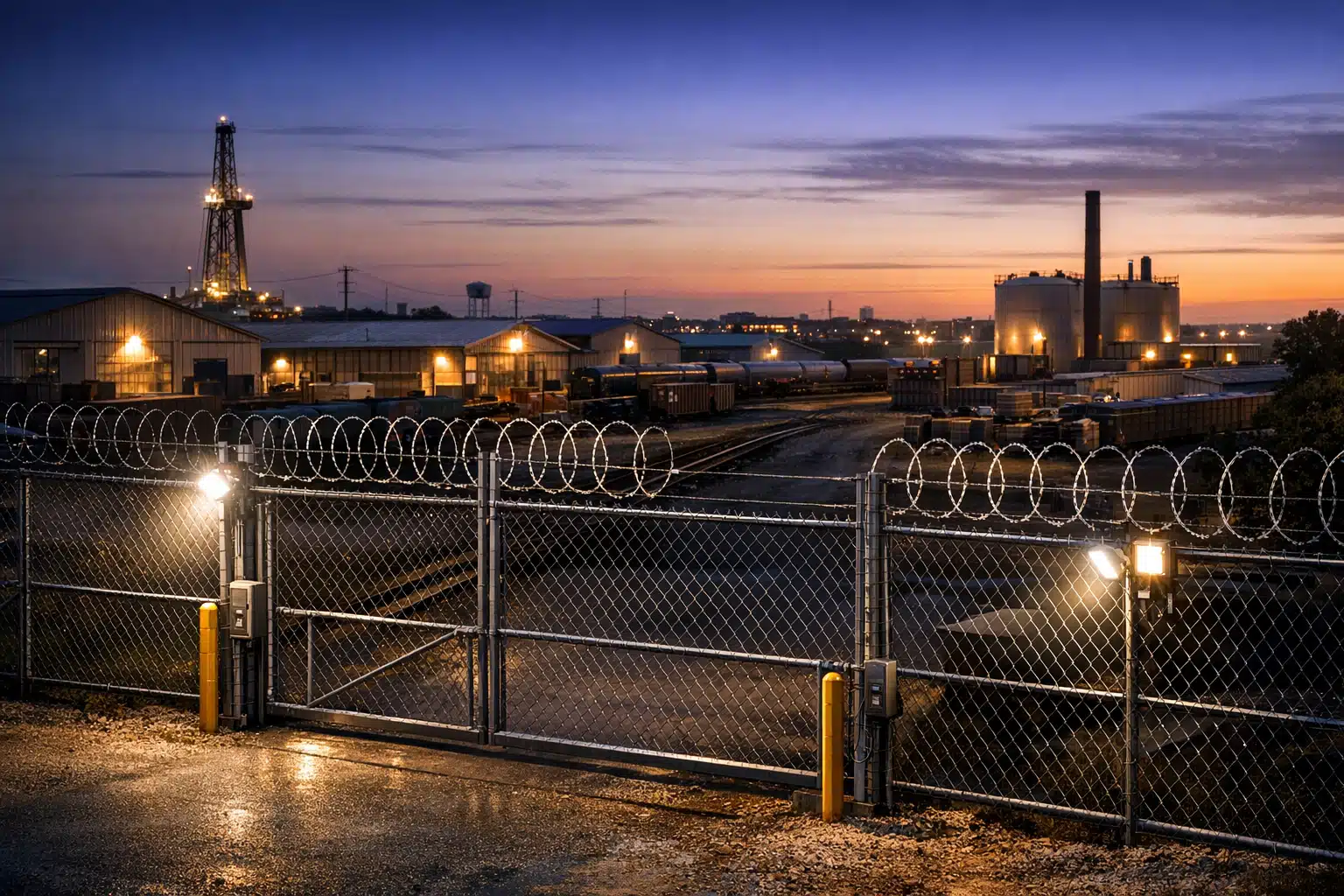
To prevent trespassing in Fort Worth's industrial zones, implement security measures such as surveillance cameras, fencing, and adequate lighting. Collaborating with local law enforcement and conducting regular patrols can also deter unauthorized access, while clearly marking private property boundaries helps to inform potential trespassers.
Understanding Industrial Zone Security Challenges in Fort Worth
Fort Worth’s industrial corridor along the Trinity River faces unique trespassing challenges that differ from other Texas cities. The proximity to major rail lines, Interstate 35W, and the expanding Alliance development creates multiple access points for unauthorized entry.
Industrial zone security requires understanding these specific vulnerabilities. Unlike retail or office environments, industrial facilities often span hundreds of acres with limited lighting and multiple entry points.
Three factors make Fort Worth industrial areas particularly susceptible to trespassing:
- Railroad access points that connect to BNSF and Union Pacific main lines
- Construction activity in the Alliance corridor creating temporary security gaps
- Proximity to major highways providing quick escape routes for trespassers
Perimeter Protection Strategies for Fort Worth Manufacturing Sites
Effective perimeter security starts with understanding the different types of trespassers targeting Fort Worth industrial properties. Metal thieves typically strike during overnight hours when copper prices spike. Vandals often target visible equipment near roadways.
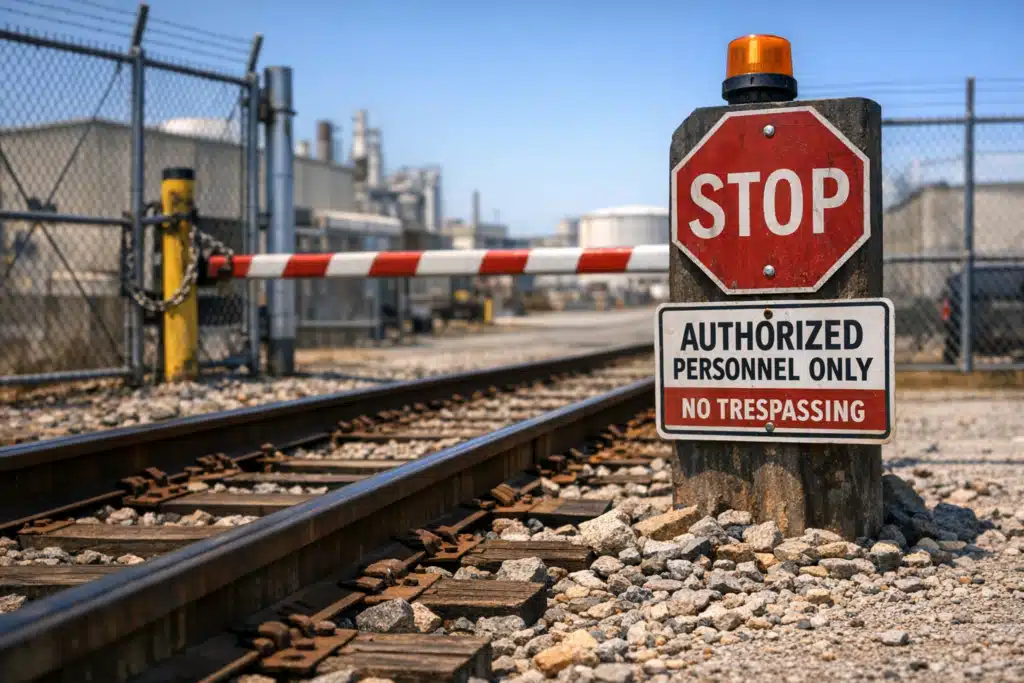
Physical barriers work best when layered with detection systems. A six-foot chain link fence topped with three strands of barbed wire provides the foundation. Motion-activated lighting covers blind spots created by building shadows.
Access Control at Industrial Entry Points
Industrial facilities need controlled access at vehicle gates and pedestrian entrances. Card readers track employee entry times and create audit trails. Visitor management systems log contractor arrivals and departures.
Loading dock areas require special attention during shift changes. Thieves watch for patterns when docks remain unattended. Scheduling security rounds during these transition periods reduces opportunities.
Securing Railroad Access Points
Properties adjacent to rail lines face additional challenges. Trespassers use tracks as highways to access multiple facilities. Installing motion sensors along fence lines near railroad right-of-ways provides early warning.
Coordinate with railroad security departments to report recurring trespassing issues. BNSF and Union Pacific maintain their own security forces that can assist with persistent problems.
Remote Video Surveillance for Large Industrial Properties
Traditional security patrols cannot effectively cover sprawling industrial sites. Remote video surveillance fills coverage gaps with strategically placed cameras monitoring key areas 24/7.
Modern surveillance systems detect motion and send instant alerts to monitoring centers. Thermal cameras work in complete darkness and adverse weather conditions common during North Texas storms.
Camera Placement for Maximum Coverage
Position cameras to cover these critical areas:
- All vehicle entry and exit points
- Loading docks and shipping areas
- Equipment storage yards containing valuable machinery
- Utility connections where copper theft occurs
- Perimeter corners where fences are most vulnerable
Install cameras at heights above 12 feet to prevent tampering. Use protective housings rated for Texas heat and storm conditions.
Integration with Alarm Systems
Connect surveillance cameras to intrusion detection systems for immediate response. When sensors trigger, cameras automatically focus on the affected area and begin recording.
Cloud-based storage ensures footage remains accessible even if on-site equipment is damaged or stolen. Local law enforcement can access footage remotely to aid investigations.
Security Guard Services for Industrial Zone Protection
On-site security guards provide immediate response capabilities that technology cannot match. Mobile patrol guards cover multiple buildings and outdoor areas during scheduled rounds.
Licensed security officers understand Texas Penal Code requirements for detaining trespassers. They coordinate with Fort Worth police when situations require law enforcement intervention.
Mobile Patrol Patterns
Effective patrol patterns vary routes and timing to prevent predictability. Guards check vehicle gates, building perimeters, and equipment yards using randomized schedules.
Document patrol findings in written reports that create liability protection for property owners. Include timestamps, weather conditions, and any security concerns discovered.
Emergency Response Procedures
Security guards follow established protocols when discovering trespassers on industrial properties. Initial response focuses on safety and containment rather than confrontation.
Guards contact local law enforcement for assistance with apprehending suspects. They secure evidence and provide witness statements to investigating officers.
Addressing Fort Worth Trespassing Through Environmental Design
Environmental modifications reduce trespassing opportunities without ongoing operational costs. Remove vegetation that provides hiding spots near fence lines and building entrances.
Maintain clear sight lines from roadways to discourage criminal activity. Trespassers avoid areas where they feel visible to passing traffic or neighboring businesses.
Lighting Solutions for Industrial Properties
LED lighting systems reduce energy costs while improving security coverage. Motion-activated fixtures conserve power and startle potential trespassers.
Install emergency lighting connected to backup power systems. Criminals target facilities during power outages when normal security systems may fail.
Landscaping for Security
Use thorny plants along fence lines to create natural barriers. Maintain landscaping to eliminate hiding spots while preserving professional appearance.
Remove trees with branches that overhang fencing. Trim vegetation to maintain clear camera sight lines and eliminate climbing aids.
Legal Considerations for Industrial Property Protection
Texas property owners have broad rights to protect their premises from trespassers. Post clearly visible “No Trespassing” signs at all entry points and along perimeter fencing.
Security personnel must understand legal limitations on detention and use of force. Document all incidents thoroughly to support potential criminal prosecutions.
Working with Fort Worth Police
Develop relationships with local patrol officers who cover industrial areas. Provide emergency contact information and site maps to facilitate rapid response.
Report all trespassing incidents even when no arrest occurs. Police use these reports to identify patterns and allocate patrol resources.

 Posted on Google
Measuring Security Program Effectiveness
Track security metrics to evaluate program performance and justify investments. Monitor incident frequency, response times, and resolution outcomes.
Review surveillance footage monthly to identify security gaps and adjust procedures. Document cost savings from prevented theft and property damage.
Key Performance Indicators
Measure these security program elements:
- Number of trespassing incidents per month
- Average response time to security alerts
- Percentage of incidents resulting in arrests
- Value of property protected versus security costs
Compare your facility’s performance to industry benchmarks for similar industrial properties in the Dallas-Fort Worth area.
Seasonal Security Adjustments for North Texas Weather
Summer heat affects camera performance and battery life in wireless security devices. Install cooling systems for sensitive electronic equipment.
Severe weather during spring and fall can damage perimeter fencing and lighting systems. Conduct post-storm inspections to identify and repair security vulnerabilities.
Winter Security Considerations
Ice storms can disable surveillance cameras and motion sensors. Ensure backup power systems maintain security operations during extended outages.
Heating equipment theft increases during cold weather. Secure rooftop HVAC units and monitor utility areas more frequently.
Cost-Effective Security Solutions for Different Budgets
Small industrial properties can implement basic security measures starting with perimeter lighting and signage. Add wireless cameras at entry points for remote monitoring capabilities.
Larger facilities benefit from integrated systems combining guards, surveillance, and access control. Scalable solutions allow gradual expansion as security needs grow.
Prioritizing Security Investments
Focus initial investments on areas with highest theft risk. Protect valuable equipment and inventory storage areas first.
Expand coverage systematically based on incident patterns and vulnerability assessments. Regular security audits identify new risks as operations change.
Conclusion
Effective industrial zone security requires combining physical barriers, surveillance technology, and trained security personnel. Understanding Fort Worth’s unique challenges helps property managers develop comprehensive protection strategies.
Regular assessment and adjustment of security measures ensures continued effectiveness against evolving threats. Investment in professional security services protects valuable assets and maintains safe working environments.
For comprehensive security assessments and customized protection plans for your Fort Worth industrial property, contact Twin City Security Fort Worth at 817-922-9774 or email fortworth@twincitysecurity.com.
Sources
- FBI – Uniform Crime Reporting Program
- BNSF Railway – Security Information
- Texas Legislature – Penal Code Chapter 30
- City of Fort Worth – Police Department
Fort Worth's industrial zones face distinct trespassing challenges due to their layout and proximity to major transport routes. Effective security strategies involve layered physical barriers, surveillance technology, and trained personnel to address these vulnerabilities.
- Industrial areas are susceptible to trespassing from metal thieves and vandals, especially during off-hours. Effective perimeter security includes barriers like chain link fences and motion-activated lighting.
- Access control at entry points is vital, with systems to track employee and visitor movements. Special attention is needed during shift changes to prevent theft.
- Environmental design can deter trespassers by removing hiding spots and maintaining clear sight lines. Landscaping can also enhance security without incurring ongoing costs.