
How to Secure Fort Worth’s Scenic Parks and Open Spaces
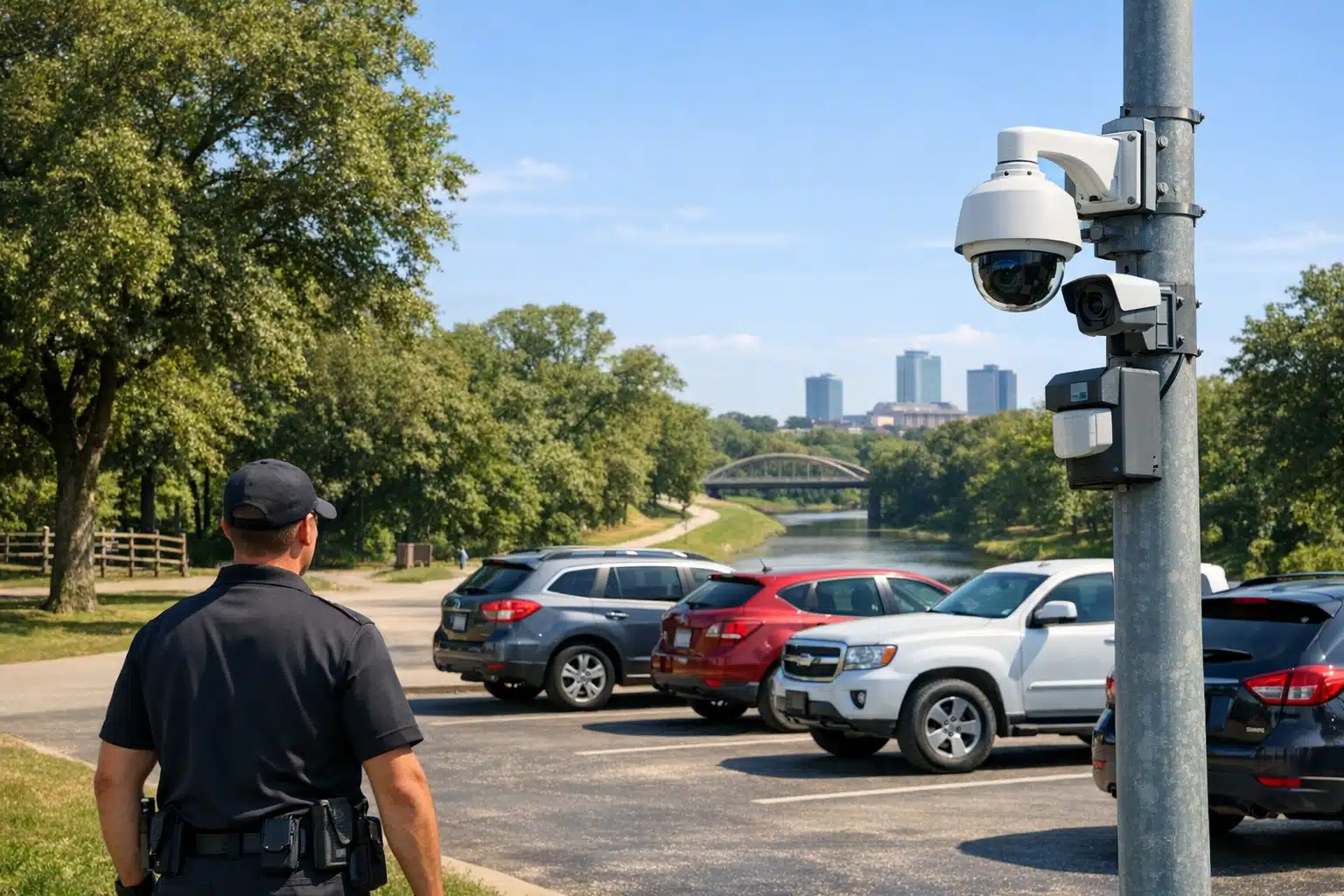
Securing Fort Worth's parks and open spaces involves a balance between safety and accessibility. Park managers and event operators implement strategies such as surveillance, regular patrols, and community engagement to maintain safety while ensuring that these areas remain inviting for families and visitors. Collaboration with adjacent property owners also plays a key role in enhancing security.
Fort Worth maintains more than 280 parks across roughly 12,000 acres, from Trinity Park along the river to Marine Park near the Stockyards. Park security in these spaces creates a real tension: keep visitors safe without turning a family picnic spot into a fenced compound. This post covers how Fort Worth park managers, event operators, and adjacent property owners protect open land while keeping it welcoming.
The Fort Worth Police Department logs thousands of property-related incidents each year, and public parks see their share of vehicle break-ins, vandalism, and after-hours trespassing. Open spaces are hard to patrol because they have many entry points and few walls.
Why Park Security Matters for Fort Worth Open Spaces
Parks draw crowds during festivals, youth sports seasons, and weekend gatherings. That foot traffic brings revenue to nearby businesses and risk to unattended cars and equipment.
Common problems in Fort Worth open spaces include:
- Vehicle burglaries in trailhead lots along the Trinity Trails
- Vandalism and graffiti on pavilions, restrooms, and playground structures
- After-hours loitering in parks that close at 11 p.m. under city ordinance
- Equipment theft from concession stands and maintenance sheds
- Heat-related medical events during North Texas summers above 100°F
Each problem calls for a different response. A trailhead lot needs camera coverage. A festival needs people on the ground.
How to Secure Open Parks Without Walls or Gates
Securing an open park starts with accepting that you cannot lock it like a warehouse. The goal is deterrence and fast response, not total enclosure.
Step 1: Map the High-Risk Zones
Walk the property and mark where incidents cluster. Parking lots, restrooms, and dark perimeter paths top most lists.
In Fort Worth parks near the Trinity River, the wooded edges and underpasses tend to draw the most trespassing complaints.
Step 2: Layer Lighting and Sightlines
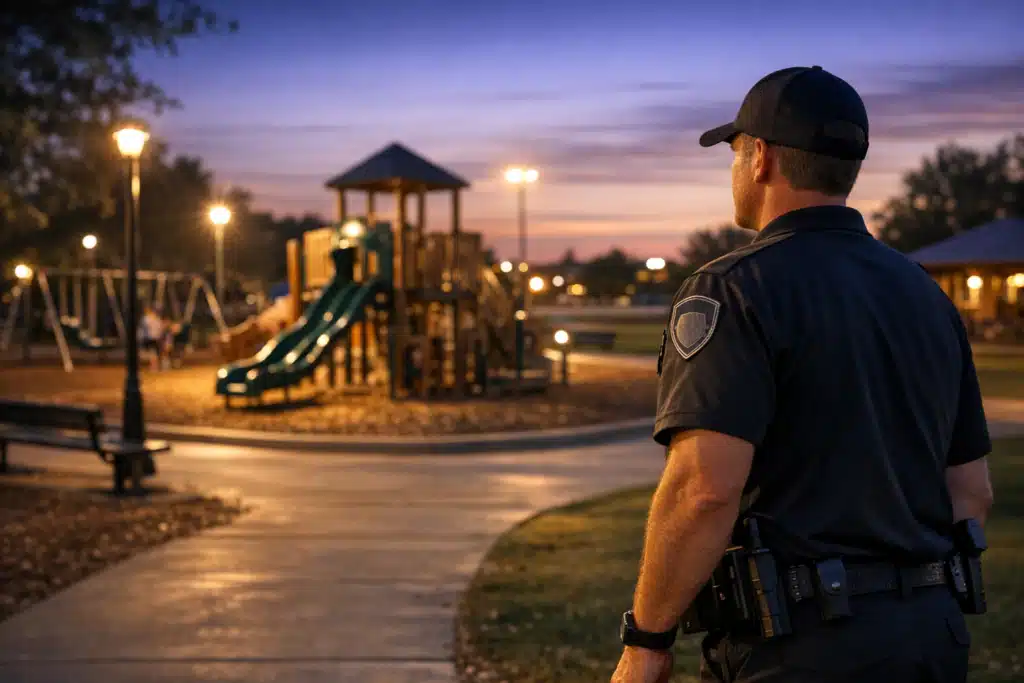
Good lighting reduces hiding spots and discourages after-dark mischief. Trim heavy brush along paths so cameras and patrols have clear views.
Aim lighting at parking lots and pavilions first. Those zones see the most reported property crime.
Step 3: Add Remote Video Surveillance
Remote video monitoring covers ground that foot patrols cannot reach at once. Cameras watch trailhead lots, gates, and storage areas around the clock.
Twin City Security Fort Worth pairs live monitoring with voice-down speakers. An operator can warn a trespasser by audio before any incident escalates.
Step 4: Schedule Roving Patrols
Marked patrol vehicles signal that someone is watching. Roving guards close gates at curfew and check restrooms and concession areas.
A visible patrol at dusk deters most after-hours problems in open spaces.
Balancing Safety With Public Enjoyment in Fort Worth Parks
Security should fade into the background on a normal weekend. Families come to relax, not to feel watched.
Here is how to keep the balance right:
- Use uniformed but approachable guards who give directions and help lost kids find parents.
- Place cameras at entry points and lots, not over picnic blankets and playgrounds.
- Post clear signage about hours and monitoring so rules feel fair, not hidden.
- Keep response quiet by handling minor issues with conversation before calling police.
The right presence makes people feel safer without feeling policed. That balance keeps parks busy and businesses around them healthy.
Securing Park Events and Stockyards-Area Gatherings
Park events bring concentrated risk in a short window. A weekend festival near the Stockyards can put thousands of people on open ground.
Event security for Fort Worth open spaces requires:
- Defined entry and exit points to control crowd flow
- Bag checks or screening at larger ticketed gatherings
- Guards stationed at cash points and vendor areas
- A command spot with radio contact across the grounds
- Heat and medical planning for summer afternoon crowds
Stockyards-adjacent venues draw tourists who do not know the area. Clear staffing at gates and lots prevents confusion and theft.
Protecting Parks During North Texas Weather Events
North Texas weather shifts fast. Spring storms, hail, and tornado warnings can clear a park in minutes.
Cameras and remote monitoring keep eyes on a property when staff evacuate. Operators watch for flooding along the Trinity and report storm damage as it happens.
After a hailstorm, remote footage helps managers document damage to pavilions and equipment for insurance claims.
Summer Heat and Patrol Safety
Fort Worth summers push past 100°F for weeks. Guards on foot patrol need shaded rest points and water access.
Remote monitoring reduces time guards spend exposed to extreme heat. Cameras cover the open lots while patrols focus on shaded high-traffic zones.

 Posted on Google
What Park Security Costs in Fort Worth
Cost depends on park size, hours, and the mix of guards and cameras. A small neighborhood park needs less coverage than a riverfront event venue.
Factors that drive pricing include:
- Hours of coverage — overnight and weekend hours cost more
- Guard count — large events need more bodies on the ground
- Camera installation — number and placement of monitored feeds
- Patrol frequency — set checkpoints versus continuous roving
Remote video monitoring frequently costs less than around-the-clock guard staffing. Many Fort Worth properties use a mix of both for the best coverage per dollar.
Texas Rules Park Operators Should Know
Private security in Texas is regulated by the Texas Department of Public Safety. Guard companies and officers must hold proper state licensing.
Ask any provider to confirm their license before signing. Twin City Security Fort Worth staffs licensed officers trained for public-facing settings.
Park operators should also follow city ordinances on park hours, alcohol permits, and event capacity.
Conclusion
Securing Fort Worth’s parks means watching the right zones, lighting the dark spots, and keeping guards approachable. The aim is safety that supports public enjoyment, not security that scares visitors away. A smart mix of remote monitoring and roving patrols protects open spaces around the clock.
Twin City Security Fort Worth designs park and open space protection plans built for local crime patterns and North Texas weather. Call or text 817‑922‑9774, email fortworth@twincitysecurity.com, or visit https://www.twincitysecurityfortworth.com for a Fort Worth security assessment.
Sources
- City of Fort Worth – Park & Recreation Department
- Texas Department of Public Safety – Private Security Bureau
- National Weather Service – Fort Worth/Dallas Forecast Office
Fort Worth manages over 280 parks across 12,000 acres, balancing visitor safety with a welcoming atmosphere. This post discusses strategies for securing these open spaces while maintaining their accessibility for families and events.
- Park security involves mapping high-risk areas and enhancing lighting to deter crime. Roving patrols and remote video surveillance provide coverage and quick responses to incidents. Event security requires defined entry points and medical planning for large gatherings, especially during extreme weather.
- Fort Worth maintains more than 280 parks across roughly 12,000 acres, from Trinity Park along the river to Marine Park near the Stockyards.
- Park security in these spaces creates a real tension: keep visitors safe without turning a family picnic spot into a fenced compound.