Top Security Solutions for Fort Worth’s Vibrant Festival Scene
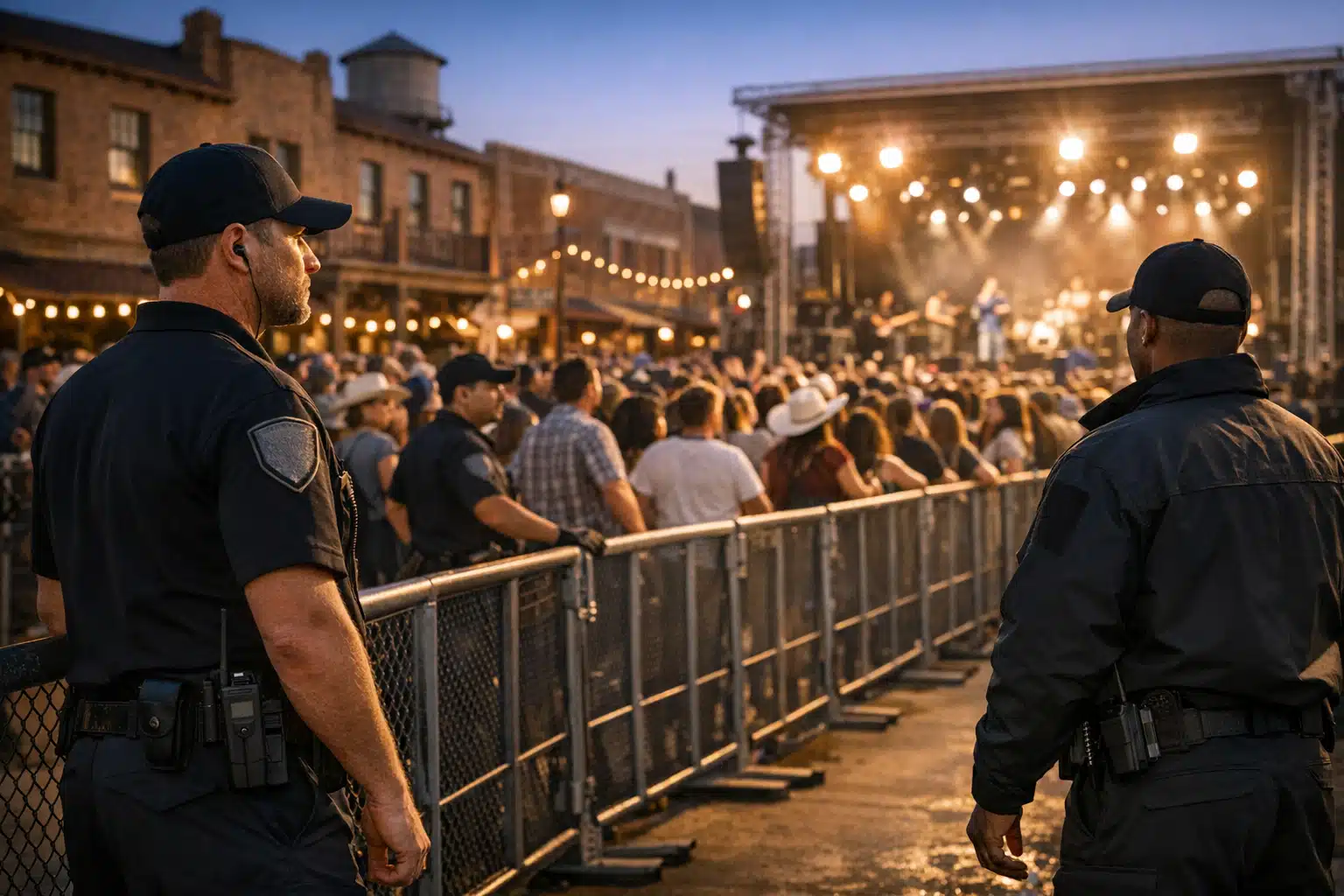
Security solutions for festivals in Fort Worth include specialized crowd management, access control, and emergency response planning tailored to the unique needs of each event. These measures ensure the safety of attendees while maintaining a vibrant atmosphere, adapting to the diverse environments of venues throughout the city.
Fort Worth hosts over 30 major festivals each year, drawing millions of visitors to venues from the Stockyards to West 7th Street. These events require specialized Fort Worth festival security that goes far beyond standard crowd control.
Festival organizers face unique challenges in Cowtown’s dynamic event landscape. Summer heat reaching 105°F, sudden thunderstorms, and diverse venue layouts demand tailored security approaches.
Understanding Fort Worth Festival Security Challenges
Fort Worth’s festival scene presents distinct security requirements that differ from other Texas markets. The Historic Stockyards hosts intimate 500-person events alongside massive 50,000+ attendee festivals within blocks of each other.
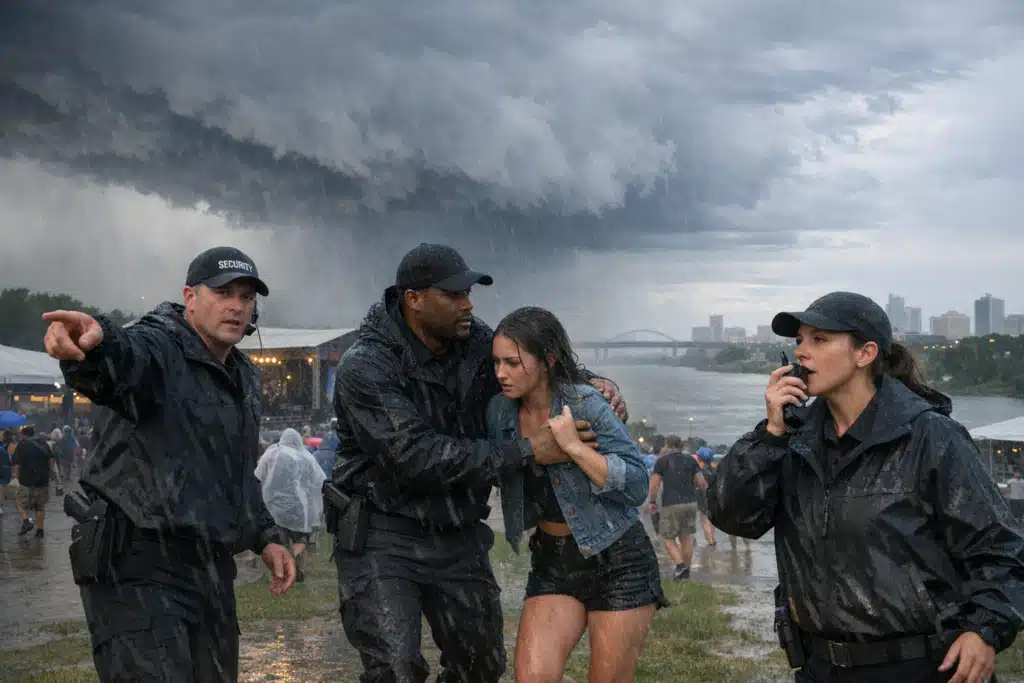
Weather volatility creates additional complications. North Texas storms can develop within 30 minutes, forcing rapid crowd evacuations. Security teams must monitor weather radar while managing perimeter control and vendor areas.
Venue-Specific Security Concerns
Each Fort Worth festival location demands different security strategies:
- Stockyards District: Multiple entry points, historic building constraints, and alcohol service areas
- Panther Island Pavilion: Waterfront access points and limited evacuation routes
- Sundance Square: Multi-level venues with rooftop access and underground parking
- Trinity Park: Open space perimeter control and vehicle access management
Event Security Solutions for Different Festival Types
Fort Worth’s diverse festival calendar requires adaptable security frameworks. Music festivals need different protection than food events or cultural celebrations.
Music Festival Security Protocols
Music events in Fort Worth typically see the highest security incidents per capita. Alcohol consumption, crowd density, and extended evening hours create elevated risk factors.
Effective music festival security includes:
- Stage barrier management with trained personnel every 50 feet
- VIP area separation using physical barriers and dedicated guards
- Backstage access control with credential verification systems
- Sound equipment protection during setup and breakdown phases
Food and Cultural Festival Requirements
Culinary events like the Fort Worth Food + Wine Festival require specialized attention to vendor security and cash handling areas. Cultural festivals often involve family attendees, changing security priorities toward lost child protocols and medical response.
Key security elements include vendor booth monitoring, cash collection escort services, and family reunion areas with dedicated staff.
Technology Integration for Festival Security
Modern event security solutions rely heavily on integrated technology systems. Remote surveillance cameras provide real-time crowd density monitoring and incident detection capabilities.
Remote Monitoring Systems
Fort Worth’s festival venues benefit from strategically placed surveillance networks that operate 24/7 before, during, and after events. These systems capture setup phases when equipment theft risks peak.
Remote monitoring advantages include:
- Cost reduction compared to stationary guard coverage
- Broader area coverage with fewer personnel
- Recorded evidence for incident investigation
- Real-time threat assessment and response coordination
Communication Technology
Festival security teams require seamless communication across multiple zones. Digital radio systems with GPS tracking allow supervisors to deploy resources efficiently during incidents.
Command centers utilize multiple monitor displays showing camera feeds, weather radar, and emergency contact directories. This centralized approach reduces response times from average 8-12 minutes to under 4 minutes.
Weather-Responsive Security Planning
North Texas weather patterns significantly impact festival security operations. Summer temperatures exceeding 100°F for consecutive days affect both attendee behavior and security personnel performance.
Heat Emergency Protocols
Fort Worth festivals during June through September require enhanced medical response capabilities. Security personnel monitor for heat-related incidents and coordinate with EMS teams.
Heat response procedures include identification of cooling stations, water distribution monitoring, and crowd thinning in high-density areas when temperatures spike unexpectedly.
Severe Weather Response
Tornado watches and severe thunderstorm warnings occur frequently during peak festival season. Security teams must execute rapid evacuation procedures while maintaining crowd order.
Weather monitoring includes direct communication with National Weather Service Fort Worth office and predetermined shelter locations for different venue types.
Crowd Management Strategies
Fort Worth’s festival attendees range from local families to international tourists unfamiliar with venue layouts. This diversity requires adaptable crowd control methods.
Entry and Exit Control
Successful crowd management starts with controlled entry procedures. Bag checks, metal detection, and credential verification create orderly flow patterns from the start.
Exit strategies become critical during emergency situations. Security personnel must know alternate evacuation routes for each venue, accounting for attendees with mobility challenges.
Alcohol Service Area Management
Texas TABC regulations require specific protocols around alcohol service at festivals. Security personnel monitor consumption levels and intervene before situations escalate.
Designated driver programs and ride-share coordination areas reduce post-event incidents in surrounding neighborhoods like the Near Southside and Arlington Heights.
Vendor and Equipment Protection
Festival vendors invest thousands in equipment, inventory, and setup costs. Security coverage protects these investments while maintaining positive vendor relationships for future events.
Overnight Security Needs
Multi-day festivals require 24-hour security coverage during setup and breakdown phases. Equipment theft peaks during evening hours when venues appear unoccupied.
Patrol routes include vendor areas, equipment staging zones, and perimeter access points. Mobile security teams check in every 30 minutes during overnight shifts.
Cash Handling Security
Food and merchandise vendors generate substantial cash transactions requiring secure collection and transport procedures. Security escorts accompany vendors to banking locations or secure storage areas.
Point-of-sale system protection includes coverage during equipment setup and power supply monitoring during events.

 Posted on Google
Emergency Response Coordination
Fort Worth festival security teams coordinate closely with Fort Worth Police Department, Fire Department, and MedStar EMS. Pre-event meetings establish communication protocols and resource allocation.
Medical Emergency Procedures
Large festivals require on-site medical personnel with clear access routes for ambulances. Security teams maintain open pathways and assist with crowd separation during medical responses.
Lost person protocols include designated reunion areas and PA system access for announcements. Family separation incidents increase during evening hours and require immediate attention.
Incident Documentation
Proper incident reporting protects festival organizers from liability issues and helps improve future event planning. Security personnel complete detailed reports for any incidents requiring intervention.
Documentation includes witness statements, photo evidence, and timeline reconstruction for insurance and legal purposes.
Cost-Effective Security Planning
Festival budgets often constrain security spending, requiring efficient resource allocation. Combining on-site personnel with remote monitoring systems maximizes coverage while controlling costs.
Staffing Level Determination
Security personnel requirements vary based on expected attendance, venue size, and event duration. Industry standards recommend one security officer per 50-75 attendees for general admission events.
VIP areas, backstage zones, and cash handling locations require dedicated personnel regardless of overall attendance figures.
Equipment and Technology Costs
Temporary security installations include portable barriers, communication equipment, and lighting systems. Rental costs can be reduced through multi-day events and vendor partnerships.
Remote monitoring systems provide long-term value for venues hosting multiple annual events, amortizing installation costs across several festivals.
Choosing the Right Security Partner
Festival organizers need security providers with proven Fort Worth experience and understanding of local regulations, venue layouts, and emergency response procedures.
Experienced security companies maintain relationships with local law enforcement and emergency responders, streamlining coordination during events. They understand TABC requirements, city permitting processes, and insurance compliance needs.
The right security partner provides detailed pre-event planning, flexible staffing options, and post-event analysis to improve future festival operations.
Conclusion
Fort Worth’s festival scene demands security providers who understand the unique challenges of Texas weather, diverse venue layouts, and local regulations. Successful festival security combines experienced personnel, advanced technology, and weather-responsive planning.
Effective security planning protects attendees, vendors, and organizers while maintaining the welcoming atmosphere that makes Fort Worth festivals memorable. The right approach balances safety requirements with budget constraints through strategic resource allocation.
Twin City Security Fort Worth brings extensive festival security experience to Fort Worth event organizers. Contact our team at 817-922-9774 or fortworth@twincitysecurity.com for customized security assessments that address your specific festival requirements and venue challenges.
Sources
- FBI Uniform Crime Reporting Program – Crime Statistics
- National Weather Service Fort Worth – Weather Safety Guidelines
- Texas Alcoholic Beverage Commission – Event Permit Requirements
- Department of Homeland Security – Special Event Security Planning
Fort Worth's vibrant festival scene, hosting over 30 major events annually, requires specialized security solutions tailored to unique challenges such as weather volatility and diverse venue layouts. Effective security planning is essential to ensure the safety of attendees and vendors while maintaining the festive atmosphere.
- Festival security must adapt to various event types, from music festivals to cultural celebrations. Each venue presents distinct security needs, including crowd management and emergency response protocols.
- Weather conditions in North Texas, including extreme heat and sudden storms, significantly impact security operations. Teams must be prepared for rapid evacuations and monitor weather conditions closely.
- Choosing a security partner with local experience is critical for successful festival operations. They should understand regulations, venue layouts, and have established relationships with emergency services.