
Best Practices for Securing Fort Worth’s Educational Events and Conferences
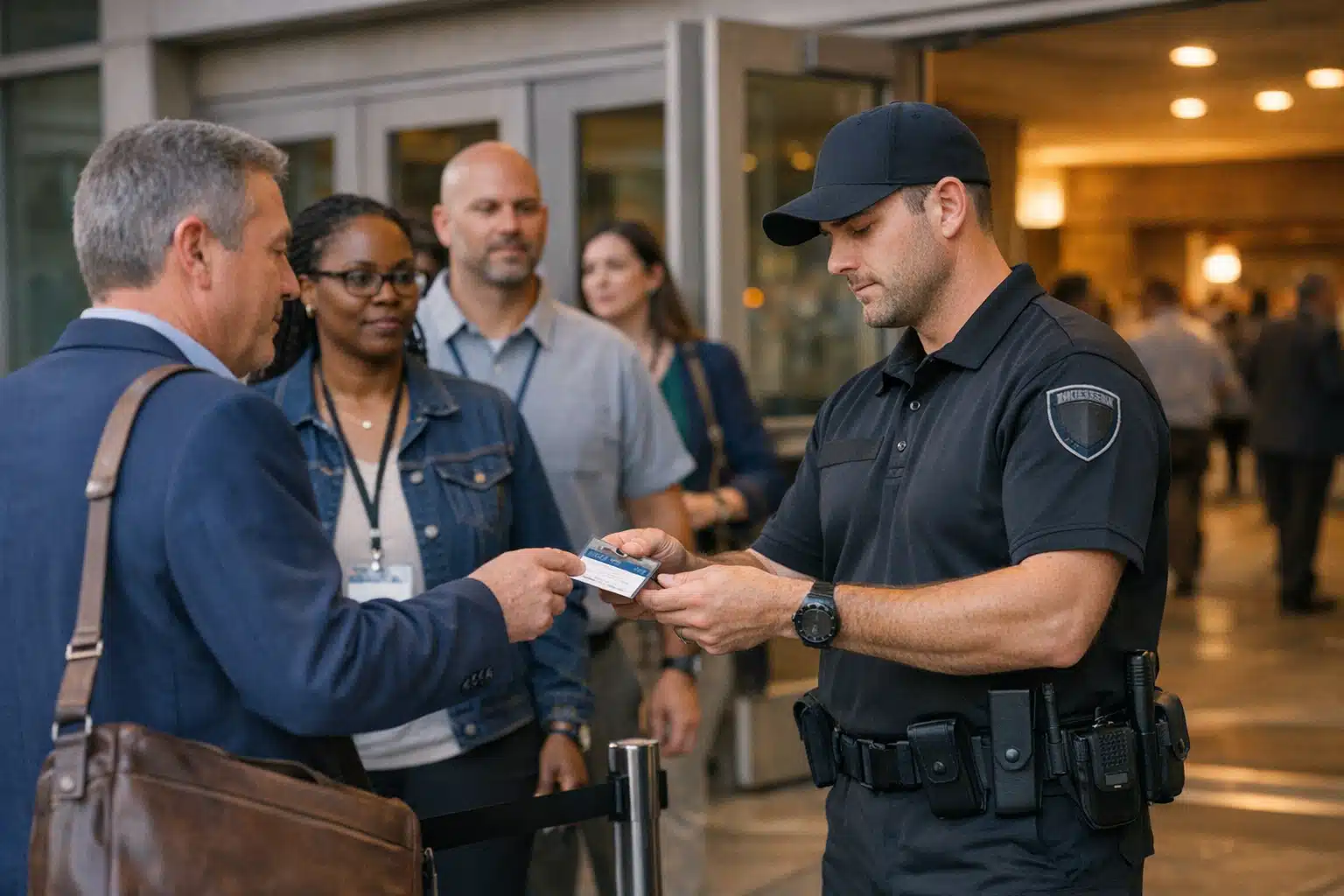
Best practices for securing educational events in Fort Worth include conducting thorough risk assessments, implementing access control measures, coordinating with local law enforcement, and ensuring proper emergency response plans are in place. Additionally, utilizing technology for monitoring and communication can enhance safety for all attendees.
Why Educational Events in Fort Worth Need a Different Security Plan
Fort Worth hosts hundreds of academic conferences, school assemblies, and training summits each year at venues like the Fort Worth Convention Center and TCU campus halls. Each one draws mixed crowds of students, parents, educators, and visiting speakers.
Event security for educational gatherings differs from concert or festival work. The attendees skew younger, schedules run tighter, and liability concerns around minors raise the stakes.
This post breaks down how to protect academic events across Fort Worth. You get practical steps on access control, crowd flow, severe weather response, and vendor screening.
What Makes Educational Conference Protection Harder Than Standard Events
Educational conference protection mixes open-door hospitality with controlled access. You want attendees to feel welcome, but you still need to verify who belongs inside.
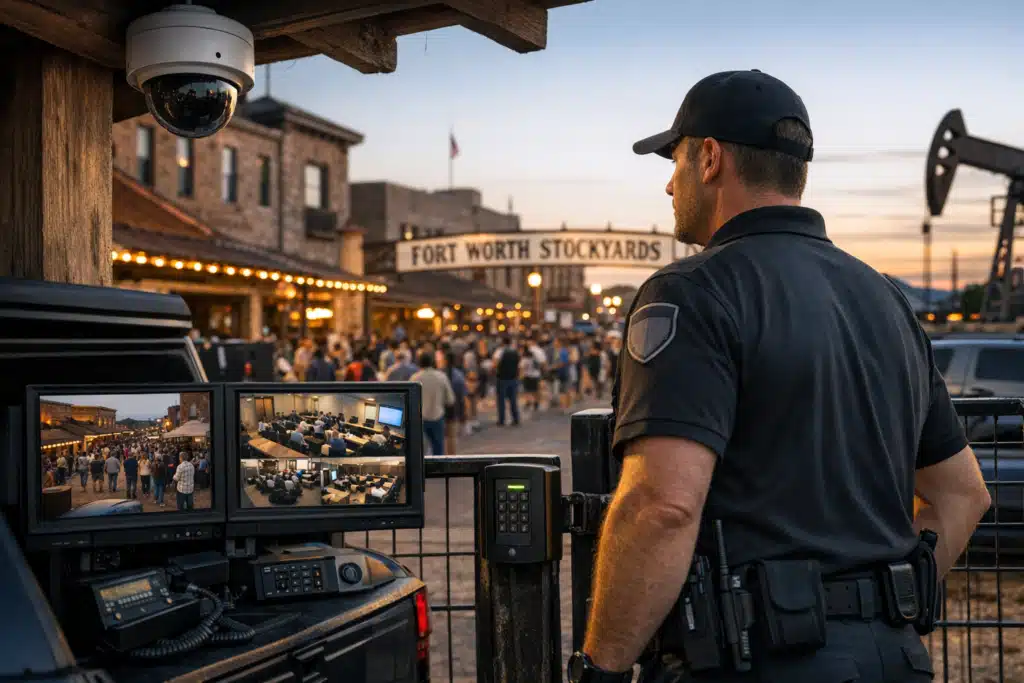
Three patterns make academic gatherings tricky:
- Minors on site. School competitions and youth summits bring students who need chaperone verification and safe pickup zones.
- Rolling attendance. Breakout sessions scatter crowds across multiple rooms and floors at once.
- Valuable equipment. Laptops, projectors, lab displays, and research exhibits attract theft during open browsing hours.
A spelling bee at a Near Southside venue has different needs than a two-day STEM conference downtown. Your plan must match the format.
Step-by-Step: Building Event Security for a Fort Worth Academic Conference
Follow this sequence when planning protection for an educational gathering.
1. Map Every Entrance and Exit
Walk the venue two weeks ahead. Count every door, loading dock, and stairwell.
Designate one or two main entry points for attendees. Lock or staff the rest.
Single-entry control cuts unauthorized access by the widest margin. At larger halls, assign a guard to each monitored door.
2. Set Up a Credential System
Issue color-coded badges by role: student, educator, speaker, vendor, staff. Guards can read a lanyard color across a crowded lobby.
For events with minors, match students to registered chaperones at check-in. Keep a printed roster at the main desk.
3. Plan Crowd Flow Between Sessions
Breakout schedules push hundreds of people into hallways at the same moment. Position staff at stairwells and elevator banks during these ten-minute windows.
Mark one-way routes with signage when corridors get narrow. This matters at older venues around West 7th with tight interior layouts.
4. Secure Equipment and Exhibits
Assign overnight coverage when exhibits stay set up between conference days. Vendor laptops and lab demos are theft targets after hours.
Remote video monitoring covers exhibit halls overnight at lower cost than full guard staffing. Cameras flag motion and alert a live operator.
5. Brief Staff on Emergency Roles
Every guard needs a clear assignment for a medical event, a lost child, or an evacuation. Run a 20-minute briefing before doors open.
Severe Weather Planning for North Texas Events
North Texas sits in one of the most active tornado corridors in the country. Spring conferences held March to June face real storm risk.
Educational events must have a shelter-in-place plan before the first attendee arrives. You cannot improvise with 400 people and a tornado warning.
Weather Steps for Conference Organizers
- Identify interior shelter areas. Pick windowless rooms or lower-floor hallways away from glass.
- Assign a weather monitor. One staff member tracks National Weather Service alerts for Tarrant County throughout the day.
- Pre-write your announcement. Keep a clear shelter script ready for the PA system.
- Know your capacity. Confirm shelter areas hold your full headcount before the event.
Summer events bring a different threat. Fort Worth August highs push past 100 degrees, and outdoor registration lines create heat risk for attendees and staff.
Station water points and shaded waiting zones for any outdoor check-in. Rotate guards posted outside every 30 to 45 minutes.
Vendor and Speaker Screening
Outside vendors and guest speakers move freely backstage and near equipment. Screen them before event day.
- Collect a vendor list with company names and arrival times a week ahead.
- Verify ID against the registration list at a dedicated vendor entrance.
- Issue distinct badges that expire at event close.
Guards at the loading dock should check deliveries against a known schedule. Unexpected deliveries get held and verified, not waved in.

 Posted on Google
On-Site Guards vs. Remote Monitoring for Educational Events
Both coverage types fit academic conferences. The right mix depends on your format and budget.
When On-Site Guards Make Sense
Choose uniformed guards for attendee-facing roles. They control entrances, manage crowd flow, and respond to incidents in person.
Events with minors need visible staff at entry points and pickup zones. A guard presence also reassures parents and faculty.
When Remote Surveillance Adds Value
Remote video monitoring fits overnight coverage and large empty spaces. One operator watches multiple exhibit halls from a monitoring center.
This approach costs less than posting guards in every room after hours. It works for the quiet stretches between conference days.
Most Fort Worth academic events use a combination: guards during active hours, cameras overnight.
What Event Security Costs for Fort Worth Conferences
Pricing depends on headcount, venue size, hours, and whether minors attend. A one-day conference with 200 attendees needs fewer staff than a multi-day summit.
Key cost drivers include:
- Guard count based on entrance points and session rooms
- Event duration and overnight coverage needs
- Remote monitoring for exhibit halls and storage areas
- Special requirements for youth events or high-value equipment
A walkthrough of your venue gives the most accurate quote. Generic per-hour estimates rarely match real conference layouts.
Fort Worth Regulations and Licensing
Texas requires security personnel to hold licensing under the Texas Department of Public Safety Private Security program. Verify any company holds valid licensing before signing.
Ask for proof of liability insurance that covers events with minors. Academic venues and school districts often require this documentation on file.
A licensed local provider knows Tarrant County venue rules and emergency contacts already.
Protect Your Next Fort Worth Educational Event
Academic conferences demand access control, crowd flow planning, weather readiness, and vendor screening built around your exact format. The right coverage mix keeps students, speakers, and equipment safe without feeling like a lockdown.
Twin City Security Fort Worth plans event security for conferences, school events, and academic summits across Tarrant County. Call or text 817‑922‑9774, email fortworth@twincitysecurity.com, or visit https://www.twincitysecurityfortworth.com for a venue walkthrough and quote.
Sources
- Texas Department of Public Safety – Private Security Program
- National Weather Service – Fort Worth/Dallas Forecast Office
- Ready.gov – Tornado Preparedness
Fort Worth's educational events require tailored security plans due to unique attendee demographics and logistical challenges. This guide outlines essential strategies for ensuring safety at academic conferences and gatherings.
- Mapping entrances and exits is crucial for controlling access and enhancing security. Designating main entry points can significantly reduce unauthorized access.
- A credential system helps identify attendees by role, ensuring safety, especially for events with minors. Staff should be briefed on emergency roles before the event.
- Weather preparedness is vital, particularly during tornado season. Organizers need clear shelter plans and designated staff to monitor weather alerts throughout the event.