
How to Choose the Right Remote Surveillance Solutions for Fort Worth’s Construction Zones
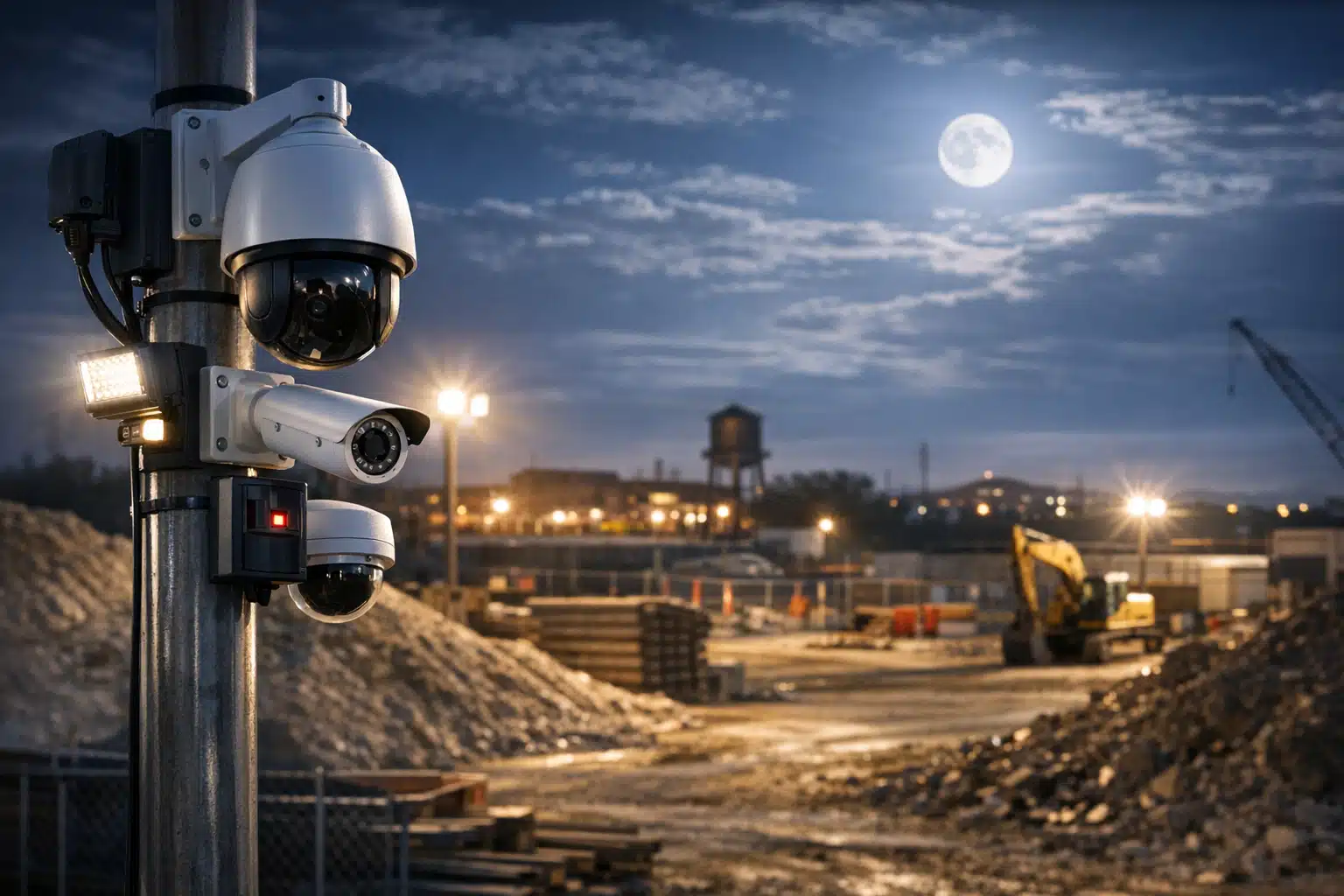
Choosing the right remote surveillance solutions for construction zones involves assessing the specific security needs of the site, considering factors like visibility, ease of installation, and real-time monitoring capabilities. It's important to select systems that can effectively deter theft and provide reliable footage for evidence in case of incidents.
Why Construction Theft Hits Fort Worth Sites Hard
Construction sites across Tarrant County lose copper wire, generators, and heavy equipment every week. Thieves target job sites after dark, when fencing and daytime crews offer little protection.
Remote surveillance gives Fort Worth builders a way to watch sites 24/7 without stationing a guard at every gate. Cameras, motion sensors, and live monitoring work together to stop theft before tools disappear.
This post walks you step by step through choosing the right setup for your project. You will learn what features matter, how North Texas weather affects cameras, and which questions to ask before signing a contract.
What Makes Fort Worth Construction Zones Hard to Protect
Active job sites change daily. Fences move, entrances shift, and equipment relocates as the build progresses.
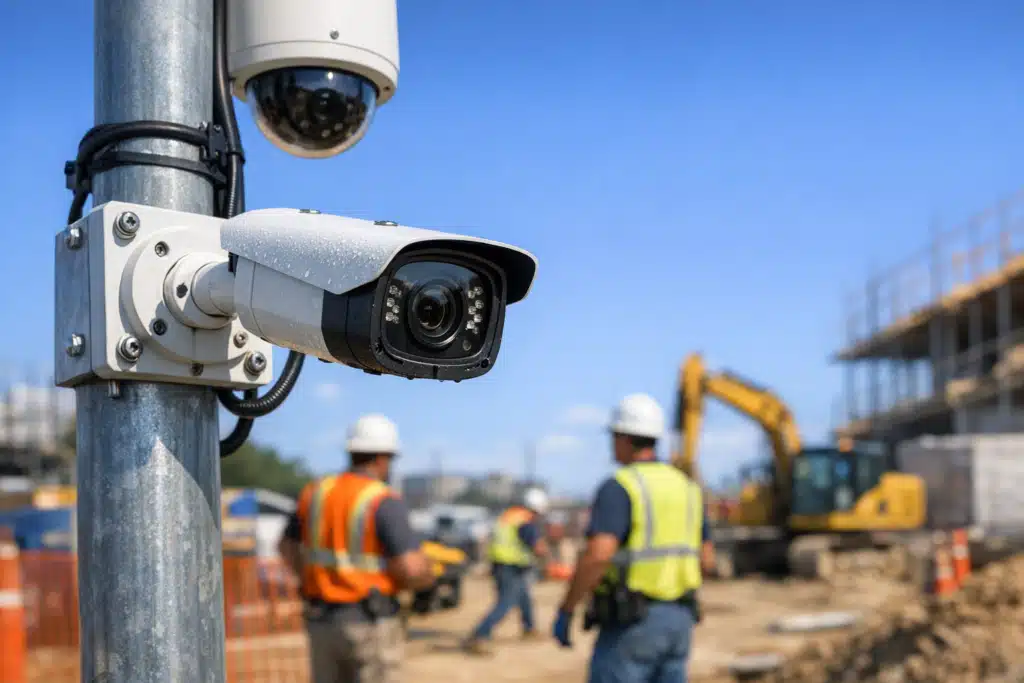
A system that worked last month may leave blind spots this week. That constant change sets construction zones apart from a fixed warehouse or storefront.
Local Risk Factors
- High-value copper and wire: Metal prices keep scrap theft attractive across Near Southside and West 7th development zones.
- Open perimeters: Early-phase sites lack permanent walls, leaving graded dirt lots exposed.
- North Texas weather: Spring hail, summer heat, and tornado-season winds test camera durability.
- After-hours gaps: Most theft happens between 10 p.m. and 4 a.m., when no crew is present.
Weather Challenges Specific to North Texas
Fort Worth summers push past 100°F for weeks. Cameras and junction boxes that lack heat ratings fail during August job runs.
Spring brings hail and straight-line winds. Mounting hardware must hold firm when storms roll across Tarrant County.
Pick equipment rated for wide temperature swings and water intrusion. A camera that quits during a storm leaves your site blind at its most vulnerable moment.
Remote Surveillance Features That Matter for Construction Site Monitoring
Not every camera package fits an active build. Construction site monitoring demands features that handle movement, poor lighting, and remote locations.
1. Live Video Monitoring With Human Response
Recorded footage helps after a theft. Live monitoring stops the theft while it happens.
Trained operators watch feeds in real time and respond to motion alerts. When someone crosses a graded lot at 2 a.m., an operator can trigger audio warnings or call police.
2. Mobile Trailer Units
Fixed cameras assume permanent power and structures. Early-phase Fort Worth sites have neither.
Solar-powered trailer units give you coverage before utility power arrives. You can reposition them as the build moves across the lot.
3. Night Vision and Thermal Detection
Most equipment theft happens in darkness. Standard cameras produce grainy footage once the sun drops.
Thermal and infrared cameras detect body heat and movement across dark lots. They catch trespassers that regular lenses miss.
4. Two-Way Audio Deterrence
A voice warning often ends an intrusion faster than silent recording. When an operator speaks through a site speaker, most intruders leave immediately.
5. Weather-Rated Hardware
Confirm every unit carries an IP66 rating or higher. That standard handles the dust, rain, and heat common on a Fort Worth dirt lot.
How to Choose Remote Surveillance for Your Fort Worth Construction Site
Follow these steps to match a system to your project. Each step narrows your choices based on your site’s real needs.
- Map your perimeter and blind spots. Walk the lot and note entrances, equipment staging areas, and material storage zones.
- Identify your highest-value targets. Copper spools, generators, and fuel tanks need the tightest coverage.
- Match coverage to your build phase. Early grading phases need mobile units; later phases can use structure-mounted cameras.
- Decide between recording and live monitoring. Live monitoring costs more but prevents loss rather than documenting it.
- Verify weather ratings. Confirm heat, wind, and water resistance for North Texas conditions.
- Ask about response protocols. Know who gets the alert and how fast they act.
- Plan for site changes. Choose a provider that repositions cameras as your project progresses.
Live Monitoring vs. Recorded Footage: What Fort Worth Builders Should Know
Both approaches have a place. The right choice depends on your loss risk and budget.
Recorded-Only Systems
These capture video for later review. They help with insurance claims and police reports.
The drawback is clear: by the time you watch the footage, the equipment is gone. Recording suits lower-risk sites with strong physical fencing.
Live-Monitored Systems
Operators watch feeds and intervene during an event. They issue audio warnings, dispatch guards, or call Fort Worth police.
This approach fits sites with exposed copper, fuel, or high-dollar machinery. The prevention value often outweighs the added cost.

 Posted on Google
Questions to Ask Before Hiring a Fort Worth Surveillance Provider
The right questions reveal whether a provider understands active construction zones. Ask these before you commit.
- Do your operators monitor feeds live, or only record footage?
- How fast do you respond to a motion alert at 3 a.m.?
- Can your units run on solar power before utility hookup?
- Will you reposition cameras as my site layout changes?
- What temperature and weather ratings do your cameras carry?
- Do you coordinate with Fort Worth police and on-site guards?
A provider who answers these clearly knows construction work. Vague answers signal a company built for fixed retail, not dirt lots.
Combining Remote Surveillance With On-Site Guards
Cameras and guards each cover what the other cannot. Many Fort Worth sites use both for full coverage.
Remote surveillance watches the whole perimeter at once, even in bad weather. A guard adds a physical presence that stops bold intruders and manages deliveries.
For large oil and gas staging yards or multi-phase apartment builds, pairing the two makes financial sense. One guard supported by live cameras covers more ground than several patrolling alone.
Why This Matters for Fort Worth Project Managers
Every stolen generator stalls a schedule and inflates your budget. Replacement costs climb, and insurance premiums follow.
A single prevented theft often pays for a month of monitoring. That math favors proactive coverage over after-the-fact claims.
Fort Worth development keeps pushing across the Near Southside, the Stockyards district, and Arlington Heights. Each new site draws the same thieves who track construction activity across the metro.
Protect Your Fort Worth Construction Site Today
The right remote surveillance setup stops theft before it starts, handles North Texas weather, and adapts as your build grows. Match your system to your site phase, your highest-value targets, and your response needs.
Twin City Security Fort Worth designs construction site monitoring around your specific lot and schedule. Call or text 817‑922‑9774, email fortworth@twincitysecurity.com, or visit https://www.twincitysecurityfortworth.com for a site assessment and monitoring quote.
Sources
- National Insurance Crime Bureau – Equipment Theft Resources
- National Weather Service – Fort Worth/Dallas Forecast Office
- OSHA – Construction Industry Safety and Health
- City of Fort Worth – Police Department
Construction sites in Fort Worth face significant theft risks, particularly for valuable materials and equipment. Remote surveillance offers builders a way to monitor their sites continuously, helping to prevent losses effectively.
- Construction sites lose valuable items weekly, especially at night when crews are absent. Remote surveillance systems provide 24/7 monitoring without needing guards at every entrance.
- Key features for effective surveillance include live monitoring, mobile units, and weather-resistant cameras. These elements are crucial for adapting to the dynamic nature of construction sites.
- Choosing the right system involves assessing site needs, identifying high-value targets, and understanding response protocols from surveillance providers.