The Impact of Fort Worth’s Fall Festival Season on Security Needs
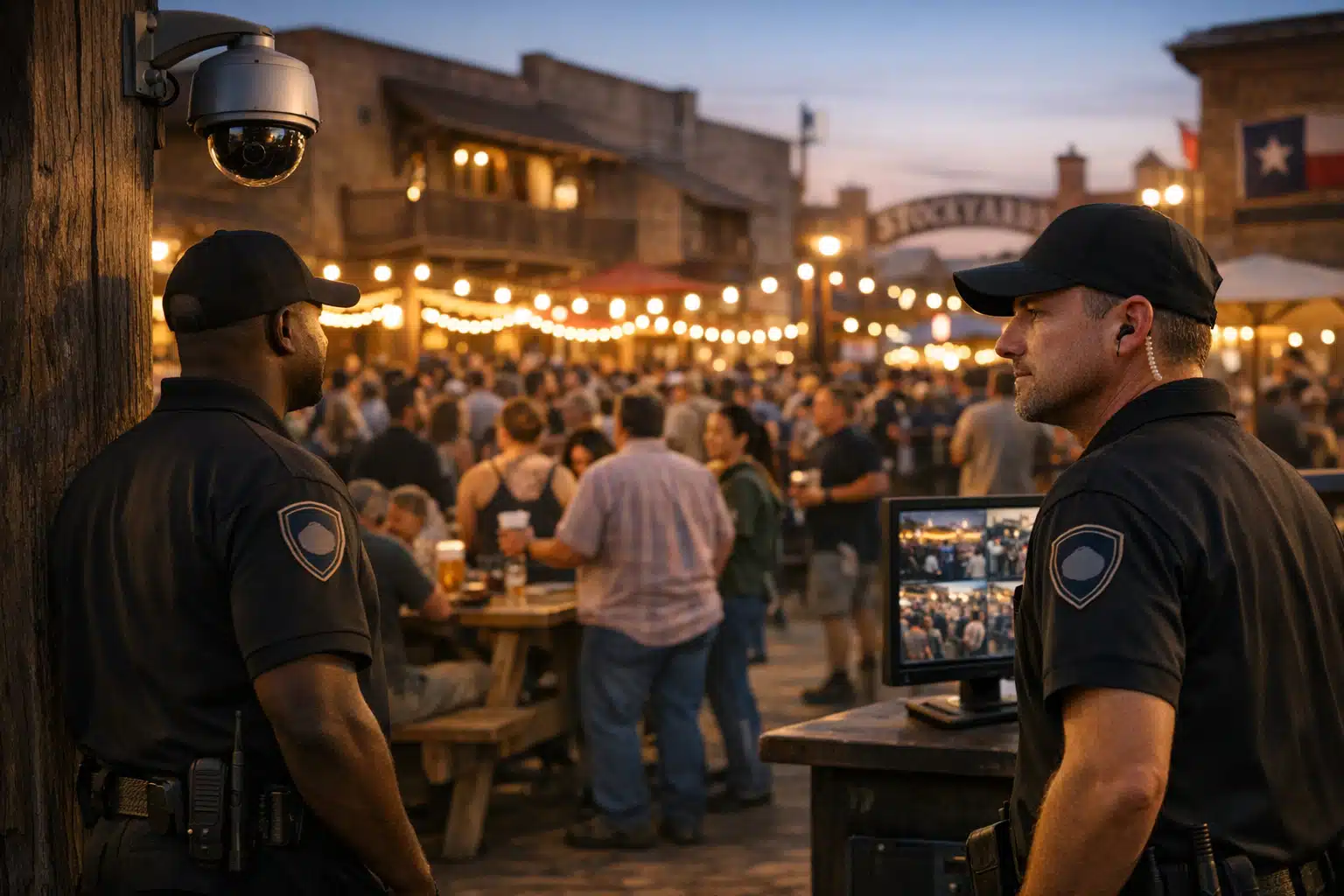
The fall festival season in Fort Worth significantly increases security needs due to the large crowds attending over 50 public events. Festivals like Oktoberfest and Día de los Muertos require robust security measures to manage the influx of attendees and ensure safety, preventing potential liabilities.
Why Fall Festival Season Changes Fort Worth Security Math
Fort Worth hosts more than 50 public events between September and November, including the Fort Worth Oktoberfest, Día de los Muertos celebrations, and Stockyards harvest gatherings. Each draws crowds that strain standard site coverage. Strong festival security plans separate a smooth weekend from a liability nightmare.
Fall brings bigger foot traffic, longer operating hours, and cash-heavy vendor booths. That combination raises risk for theft, trespassing, and medical incidents.
This post breaks down the specific threats Fort Worth operators face each autumn. It gives you a planning checklist and clear staffing math.
The Specific Risks Fort Worth Festivals Face Each Fall
Fall events carry risks that differ from summer concerts or spring markets. Crowd density peaks during cooler evenings, not midday heat.
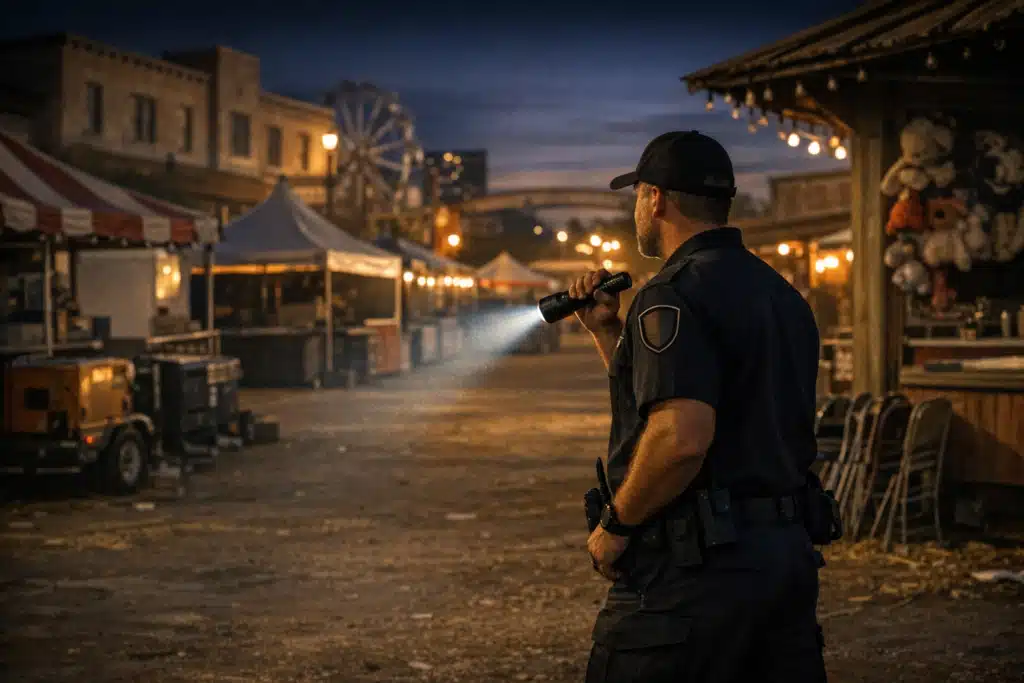
Vendors handle large amounts of cash during harvest and holiday-season festivals. That cash moves between booths, trucks, and bank runs after dark.
Crowd Surge and Alcohol-Related Incidents
Beer gardens at Oktoberfest-style events drive most disorderly conduct calls. Intoxicated guests cause fights, falls, and vehicle incidents in parking lots.
North Texas fall evenings cool quickly after sunset. Crowds compress near fire pits, food trucks, and indoor stages, creating pinch points.
Weather Shifts That Catch Operators Off Guard
October in Fort Worth swings between 90-degree afternoons and sudden cold fronts. A dry line storm can push 60 mph winds across an open festival ground in minutes.
Tents, signage, and stage rigging become hazards when gusts arrive. Security teams must know evacuation routes before the first ticket sells.
After-Hours Theft at Vendor and Equipment Areas
Most festival losses happen overnight, not during peak crowds. Rental generators, sound equipment, and vendor inventory sit exposed after gates close.
Remote video surveillance covers these gaps without paying for round-the-clock foot patrols.
Stockyards Event Security Requires Different Planning
Stockyards event security means managing narrow brick streets, livestock areas, and historic structures. The district draws tourists who do not know the layout.
Exchange Avenue bottlenecks fast during cattle drives and evening music events. Guards must control flow without blocking emergency access.
Key Stockyards concerns include:
- Narrow access points that slow crowd movement and emergency vehicles
- Livestock proximity that raises safety and liability questions
- Historic buildings with limited exits and fire-load restrictions
- Mixed foot and vehicle traffic along Exchange Avenue and North Main
A guard who knows the district reacts faster than one reading a map. Local familiarity matters more here than at a flat parking-lot event.
How to Build a Fort Worth Festival Security Plan
To protect your Fort Worth festival, follow these steps before the event opens:
- Map your risk zones. Mark entrances, cash points, alcohol service, and equipment storage.
- Set your guard-to-guest ratio. Use one officer per 250 to 500 guests, adjusting for alcohol service.
- Plan for weather triggers. Define wind and lightning thresholds that pause or stop the event.
- Add camera coverage after hours. Place remote-monitored cameras on vendor and equipment zones.
- Coordinate with local responders. Confirm EMS and Fort Worth police access routes in advance.
- Brief every staff member. Share radio channels, exits, and incident reporting steps.
Written plans reduce confusion when a storm cell or crowd surge hits. Event safety improves when every worker knows their role.
Staffing Math for Different Event Sizes
Guard counts should match crowd size and alcohol presence. Use this as a starting point:
- Under 500 guests, no alcohol: 2 to 3 officers
- 500 to 2,000 guests with a beer garden: 6 to 10 officers plus a supervisor
- 2,000-plus guests, multiple stages: 12-plus officers, split by zone
Overnight equipment protection runs separately from daytime crowd coverage. Many operators pair a small overnight team with remote cameras to control cost.
Where On-Site Guards and Remote Cameras Work Together
On-site officers handle crowds, conflicts, and medical calls during open hours. Remote video monitoring covers perimeters, parking, and storage when the event sleeps.
This pairing cuts cost without leaving gaps. A multi-day Stockyards festival shows the difference clearly.
A Three-Day Festival Example
During open hours, officers staff gates, beer gardens, and stage fronts. Guests see a visible presence that discourages theft and disorder.
After midnight, the crowd leaves but the gear stays. Live camera operators watch generators, trailers, and vendor tents until morning.
If motion triggers an alert, operators verify the threat and call police. This keeps overnight labor costs low and response times fast.

 Posted on Google
Texas Licensing Rules Fort Worth Operators Should Know
Texas requires private security companies to hold a license from the Texas Department of Public Safety. Guards must carry state-issued registration cards.
Armed officers need additional commissioning and training hours. Hiring unlicensed staff exposes event organizers to fines and civil liability.
Before you sign a contract, confirm these details:
- The company holds a current DPS Private Security Bureau license
- Each officer carries valid state registration
- Armed guards show proper commissioning documents
- Insurance coverage matches your event size and venue rules
Verified licensing protects you if an incident reaches court. It also signals a serious operator who follows state law.
Protecting Vendors, Cash, and Parking Areas
Vendors carry cash and merchandise that attract opportunistic theft. Parking lots and side streets near West 7th and Near Southside see most vehicle break-ins during events.
Practical steps reduce these losses:
- Assign roaming officers to parking zones during peak arrival and departure
- Light vendor rows and storage areas to remove dark cover
- Schedule escorted cash drops for vendors making bank runs after dark
- Position cameras at lot entrances to capture plates and movement
Small changes in lighting and patrol timing prevent most vehicle crimes. Event safety extends past the gate into every lot and alley nearby.
Plan Fort Worth Festival Security Before the Season Fills Up
Fort Worth fall festivals bring crowds, cash, and weather swings that test any security plan. Pairing trained on-site officers with remote camera monitoring protects guests, vendors, and equipment around the clock. Strong festival security starts with a plan built for your specific venue and crowd.
Twin City Security Fort Worth builds event coverage for Stockyards venues, downtown festivals, and private gatherings across Cowtown. Call or text 817‑922‑9774, email fortworth@twincitysecurity.com, or visit https://www.twincitysecurityfortworth.com for a Fort Worth festival security assessment.
Sources
- Texas Department of Public Safety – Private Security Bureau
- National Weather Service – Fort Worth/Dallas Forecast Office
- City of Fort Worth – Police Department
Fort Worth's fall festival season, featuring over 50 events, significantly impacts security needs due to increased crowd sizes and cash transactions. Effective security planning is essential to mitigate risks associated with theft, medical incidents, and crowd control.
- The fall season brings larger crowds and longer hours, increasing the risk of theft and medical emergencies. Security plans must account for cash-heavy vendor operations and potential crowd surges.
- Weather changes can create hazards, necessitating clear evacuation routes and contingency plans for severe conditions.
- Proper staffing ratios and remote surveillance are critical for protecting vendors and equipment, especially during overnight hours.