
How to Prepare Fort Worth’s Schools for Emergency Situations
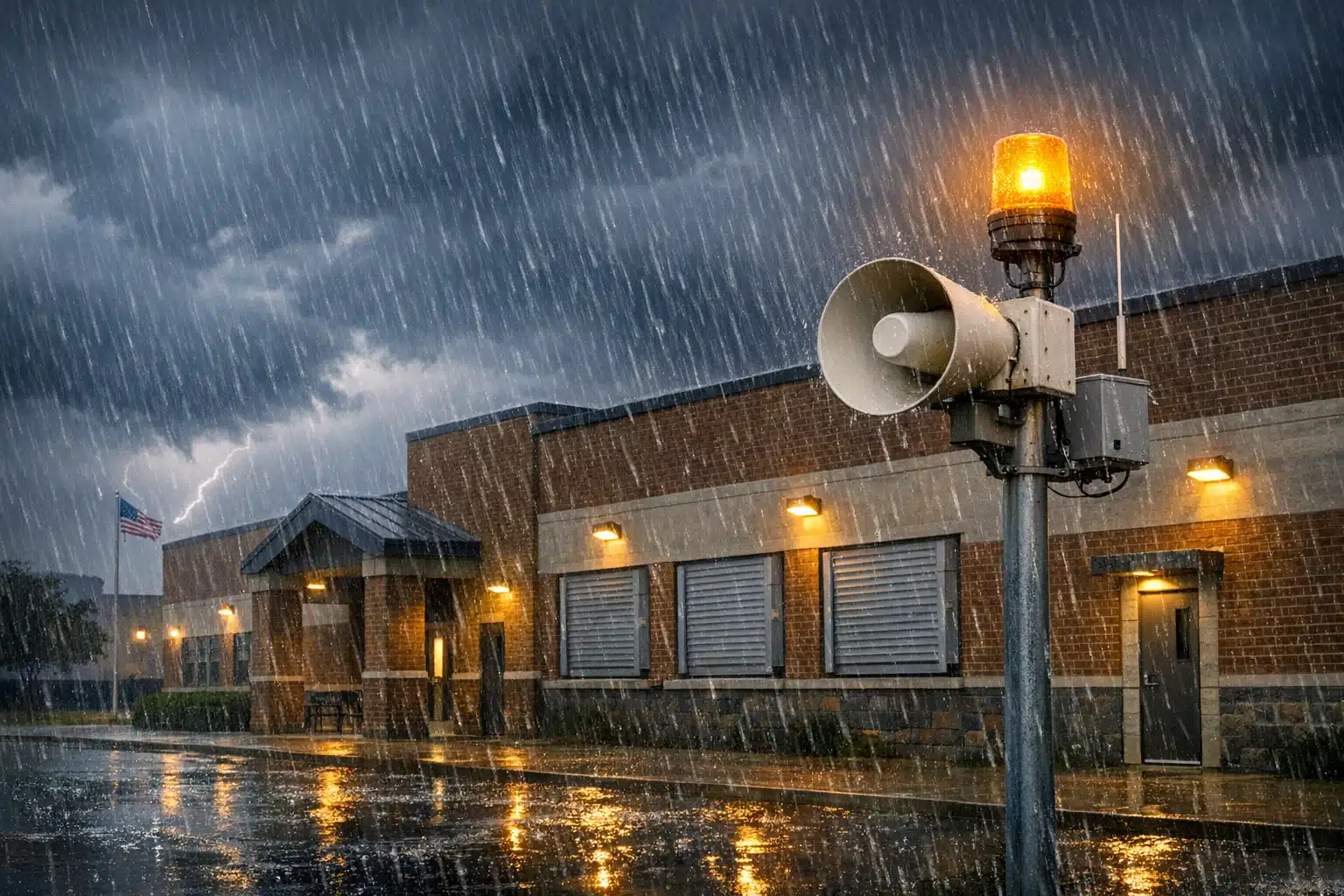
Preparing Fort Worth's schools for emergency situations involves developing comprehensive safety plans that address various threats, including active shooter incidents and natural disasters like tornadoes. Schools should implement layered security measures, conduct regular drills, and ensure effective communication with local authorities to enhance response times and protect students.
Texas recorded more than 60 active-shooter-related lockdowns across school districts in a single recent year, according to state safety data. Fort Worth campuses face added pressure from tornado season, large after-school events, and open perimeters near busy roads. Strong school security depends on planning for many kinds of emergencies, not one. This post breaks down how Fort Worth schools can build layered protection, respond faster, and keep students safe.
Below, you will find practical steps drawn from on-site security work across North Texas campuses and event venues.
Why School Security Matters More in Fort Worth
Fort Worth sits in the heart of tornado country. Spring storms can shift from warning to touchdown in minutes. Schools need weather response plans as detailed as their intruder plans.
Local campuses also host heavy foot traffic. Think stadium games near Arlington Heights, UIL events, and parent pickup lines that back onto major roads. Each crowd creates a new access risk.
School security in Fort Worth must account for four threat types:
- Severe weather — tornadoes, hail, and flash flooding
- Intruders — unauthorized entry or armed threats
- Medical events — cardiac incidents, heat illness, allergic reactions
- Crowd-related incidents — fights, stampedes, or lost children at events
A plan built for only one threat leaves gaps in the others.
Build Layered Access Control First
Access control means managing who enters, when, and how. Most campus incidents trace back to an unsecured door or an unmonitored entry point.
Start with a single point of entry
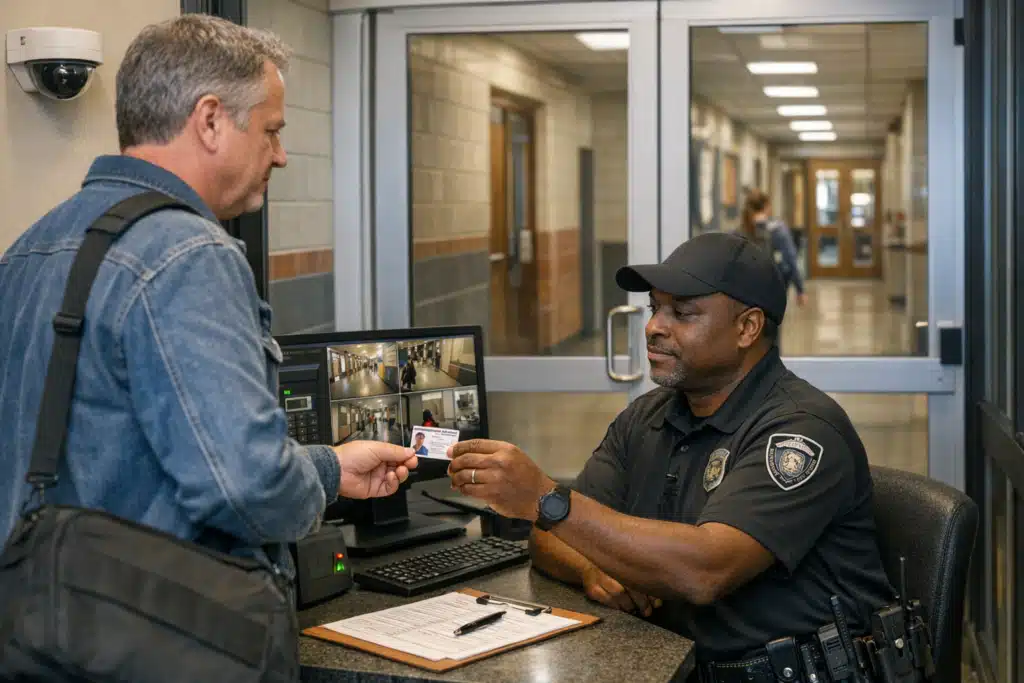
Route all visitors to one staffed door. Lock every other exterior door from the outside. This cuts the number of entry points a threat can use.
Many older Fort Worth campuses have 20 or more exterior doors. Auditing each one for proper locking hardware is step one.
Verify visitors before they reach students
Install a vestibule between the front door and the main hallway. Staff check ID and purpose before the second door unlocks. This buffer stops problems at the threshold.
Use badge systems for staff
Electronic badges log who enters each zone and when. If an incident happens, administrators can review exact movement data. Lost badges can be deactivated the same day.
Create Clear Emergency Preparedness Plans
Emergency preparedness means every adult on campus knows their role before an incident starts. Confusion costs seconds, and seconds matter.
Write separate plans for each threat
A tornado plan sends students to interior rooms away from windows. A lockdown plan keeps them locked inside classrooms. These responses conflict, so staff must know which to use.
Post a one-page response card in every classroom covering:
- Tornado — move to designated interior shelter, crouch low
- Lockdown — lock door, cover windows, silence devices
- Evacuation — exit route, muster point, headcount method
- Medical — nearest AED, call protocol, who meets EMS
Run drills that match real conditions
Drill during passing periods, lunch, and dismissal, not only during class. Real emergencies rarely wait for a quiet hallway. Fort Worth dismissal lines create one of the most exposed windows of the day.
Combine On-Site Guards with Remote Video Surveillance
A trained guard handles what cameras cannot: physical presence, judgment, and direct response. Remote video surveillance watches the areas a guard cannot stand in at once.
What on-site guards cover
- Monitoring the front entry vestibule
- Patrolling parking lots during arrival and dismissal
- Responding to disputes before they grow
- Coordinating with Fort Worth police during events
What remote monitoring adds
Remote operators watch live feeds from back doors, fence lines, and athletic fields. They flag a propped door or a loiterer near the gym after hours. One monitoring center can cover a whole campus perimeter at once.
For night and weekend coverage, remote video surveillance costs far less than full guard staffing. It keeps eyes on empty buildings when staff go home.
Prepare for North Texas Weather Threats
Tornado season in Fort Worth runs heaviest from March through June. Schools need shelter plans mapped before the first warning siren.
Identify your best shelter areas
Interior hallways and windowless rooms on the lowest floor offer the most protection. Avoid gyms and cafeterias with wide roof spans. Mark shelter zones on every floor map.
Plan for heat emergencies too
Fort Worth summers push past 100 degrees for weeks. Outdoor practices and early fall events carry real heat-illness risk. Keep water stations, shade, and an AED near every athletic area.

 Posted on Google
Secure School Events and Large Gatherings
School events draw crowds that strain normal security coverage. Football games, graduations, and festivals bring hundreds of unfamiliar faces onto campus.
Event coverage should include:
- Bag checks at a limited number of entry gates
- Posted guards at parking lots and field access points
- A clear reunification plan for lost children
- Radio contact between guards, staff, and event leads
Crowd management skills carry over from Stockyards venue work, where guards handle large, mixed crowds nightly. That same approach keeps a packed stadium calm and orderly.
Review and Update Plans Every Semester
A plan written once and filed away fails when it counts. Campuses change, staff turn over, and new risks appear each year.
Schedule a security audit
Walk the full perimeter twice a year. Check every lock, camera, and emergency light. Note dead spots in camera coverage and blind corners near entrances.
Train new staff on arrival
Every new teacher and aide should learn response plans in their first week. An untrained adult becomes a weak point during a real event.
Partner with Twin City Security Fort Worth
Strong campus safety blends trained guards, remote monitoring, and plans built for every threat Fort Worth faces. From spring tornadoes to packed Friday-night games, each risk needs its own response. Twin City Security Fort Worth helps schools audit campuses, staff guards, and set up remote video surveillance that fits local conditions.
Call or text 817‑922‑9774 or email fortworth@twincitysecurity.com for a campus security assessment. You can also visit https://www.twincitysecurityfortworth.com.
Sources
- Texas Education Agency – School Safety
- Cybersecurity and Infrastructure Security Agency – School Safety
- National Weather Service – Fort Worth/Dallas Forecast Office
- City of Fort Worth – Emergency Management
Fort Worth schools face various emergency threats, including active shooters and severe weather, necessitating comprehensive security measures. This guide outlines practical steps for enhancing school safety through layered protection and preparedness plans.
- Texas experienced over 60 active-shooter lockdowns in one year, highlighting the need for robust security in schools. Fort Worth schools must prepare for severe weather, intruders, medical emergencies, and crowd-related incidents. Effective security includes controlled access points, clear emergency plans, and regular drills to ensure all staff are prepared.
- Texas recorded more than 60 active-shooter-related lockdowns across school districts in a single recent year, according to state safety data.
- Fort Worth campuses face added pressure from tornado season, large after-school events, and open perimeters near busy roads.