
Preventing Employee Theft in Fort Worth’s Retail Sector
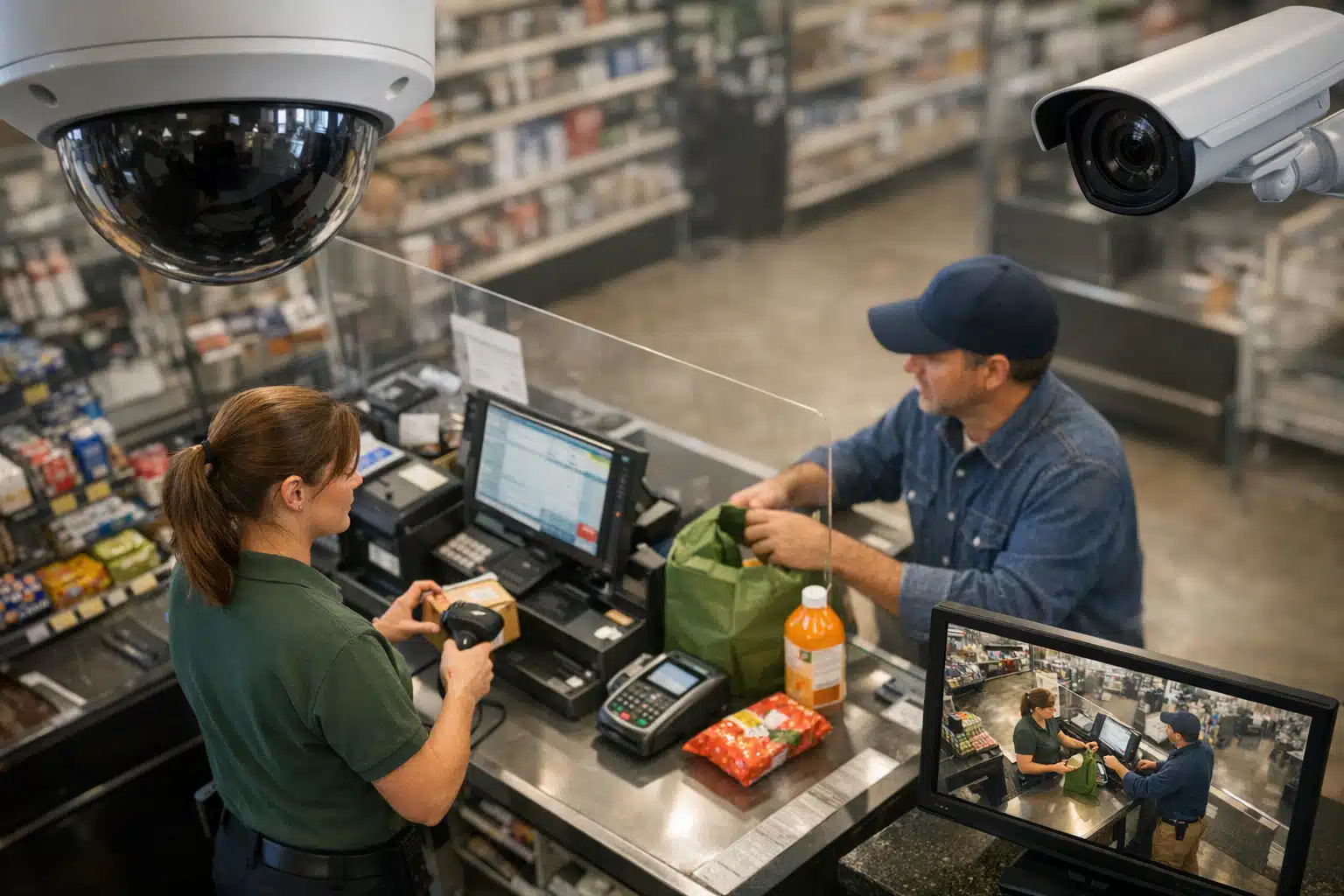
Employee theft significantly impacts retail losses in Fort Worth, accounting for a larger share than shoplifting in many stores. National data indicates that approximately 29% of inventory shrink is attributed to dishonest employees, highlighting the importance of addressing this issue in the retail sector.
Why Employee Theft Hits Fort Worth Retailers Harder Than Shoplifting
Internal theft accounts for a larger share of retail losses than shoplifting in many stores. National retail data attributes roughly 29% of inventory shrink to dishonest employees.
For Fort Worth store owners, that number carries weight. A single dishonest cashier can quietly drain thousands over a season.
Employee theft prevention starts with knowing where losses happen. This post breaks down concrete steps Fort Worth retailers can take right now to cut internal shrink.
Whether you run a boutique on West 7th or a Western wear shop in the Stockyards, the tactics below apply to your floor.
Where Internal Theft Actually Happens in Fort Worth Stores
Employee theft rarely looks like someone stuffing cash in a pocket. Most losses come from small, repeated actions that add up.
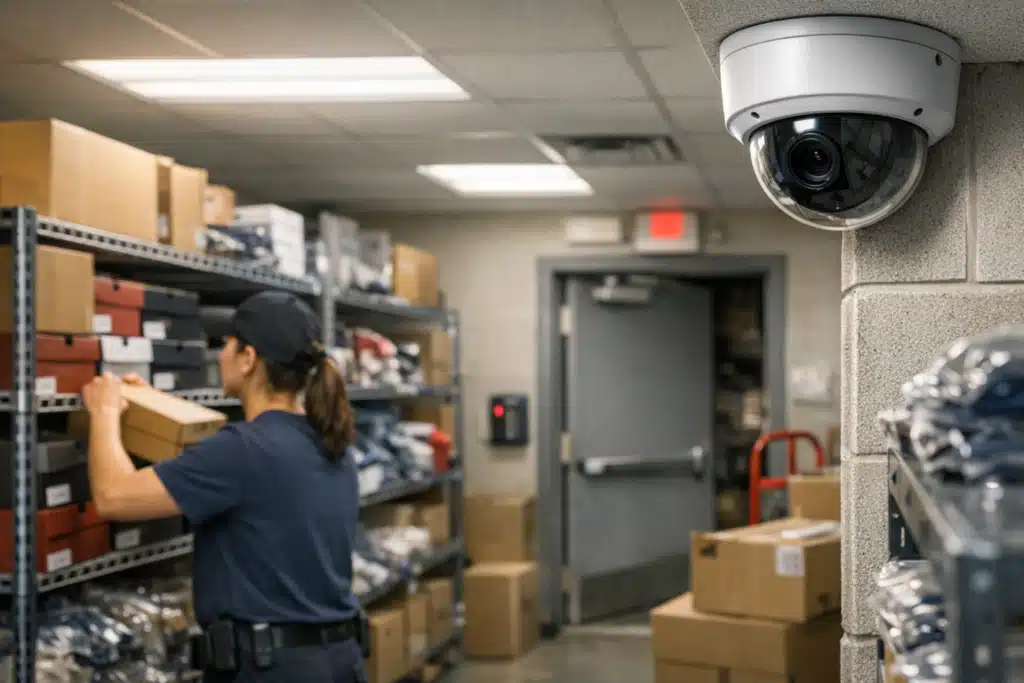
Here are the patterns our Fort Worth field teams see most:
- Sweethearting — cashiers ring up friends and family at discounts or skip items entirely.
- Void and refund fraud — fake returns processed to a personal card or cash drawer.
- Discount abuse — employee markdowns applied to full-price merchandise.
- Merchandise walkouts — inventory carried out during closing shifts or through back-of-house doors.
- Cash skimming — small amounts pulled from drawers over weeks.
Stockyards souvenir and apparel shops face a specific risk. High-margin items like hats, belts, and boots move fast during tourist weekends.
That volume makes it easy for one clerk to hide a few missing SKUs. Nobody notices until the quarterly count.
Employee Theft Prevention Starts With Camera Placement
Cameras stop theft when staff know they cover the right spots. Poorly placed cameras give a false sense of safety.
Prioritize coverage at these four points:
- Point of sale — every register needs an overhead angle showing hands, drawer, and customer.
- Back exits and stockrooms — most walkout theft happens away from the sales floor.
- Return counters — refund fraud requires clear footage of the transaction.
- Loading docks — deliveries and pickups are common cover for missing product.
Cameras alone do not solve the problem. Recorded footage means someone must review it, and most owners never find the time.
How Remote Monitoring Changes the Math
Remote video monitoring puts trained eyes on your feeds in real time. Our Fort Worth monitoring center watches live footage during high-risk hours.
Operators flag suspicious voids, after-hours access, and stockroom activity as it happens. That shifts you from reviewing theft after the fact to catching it in the moment.
For a Near Southside shop with two locations, remote monitoring covers both without paying two guards. One operator can watch multiple feeds at once.
Cash Handling Rules That Cut Register Losses
Tight cash procedures remove the easy opportunities. Loose ones invite skimming.
Put these rules in writing and enforce them:
- One cashier per drawer — shared drawers make accountability impossible.
- Manager-only voids and refunds — require a second person to approve reversals.
- Blind drops — cashiers count out without knowing the expected total.
- Random mid-shift counts — unpredictable checks discourage skimming.
- Video-matched exception reports — pair POS void logs with camera footage.
That last step catches the most fraud. When a $40 void appears on the log, matching footage shows whether a real customer stood there.
Hiring and Access Controls for Arlington Heights and West 7th Retailers
Theft prevention begins before an employee clocks in. Screening filters out repeat offenders.
Texas law permits background checks on retail hires with written consent. Verify past employment and run criminal history for anyone handling cash.
Limit Who Can Reach What
Not every employee needs stockroom keys or manager POS codes. Assign access by role.
- Give each employee a personal register login — no shared codes.
- Change alarm and safe codes when staff leave.
- Log who opens and closes each shift.
- Restrict back-door access to opening and closing managers.
West 7th retailers with late hours face added exposure. Closing shifts with a single employee create the biggest window for walkouts.
A Step-by-Step Plan to Reduce Internal Shrink
Follow this order to build retail security that holds up:
- Run a baseline count. Know your current shrink rate before making changes.
- Audit camera coverage. Confirm registers, exits, and stockrooms are visible.
- Rewrite cash procedures. Add void approval and blind drops.
- Add exception reporting. Flag high voids, no-sales, and manual discounts.
- Layer in remote monitoring. Cover closing hours and multi-location feeds.
- Recount after 90 days. Measure the drop and adjust.
Most Fort Worth retailers see measurable shrink reduction within one quarter. The exception reports usually surface one or two patterns fast.

 Posted on Google
Balancing Trust and Oversight on Your Floor
Heavy-handed surveillance can push out good staff. The goal is deterrence, not suspicion.
Tell your team openly that cameras and audits exist. Honest employees welcome clear rules that protect them from false blame.
Post signage at registers and stockroom doors. Visible monitoring stops opportunistic theft before it starts.
How North Texas Summers Complicate Store Security
Fort Worth summers push temperatures past 100 degrees for weeks. Heat affects both staffing and equipment.
Propped back doors for airflow become theft openings. Stockroom heat also tempts staff to prop exits during closing.
Camera enclosures near loading docks need heat-rated housings. Standard units fail in direct afternoon sun on west-facing walls.
Our Fort Worth technicians account for building orientation when placing exterior cameras. West 7th storefronts and Stockyards docks get equipment rated for local conditions.
Why Fort Worth Retailers Work With Twin City Security
Twin City Security Fort Worth combines on-site guards with remote video monitoring for retail clients across Cowtown. We build coverage around your actual loss points, not a generic template.
Our operators know the difference between a busy Stockyards Saturday and a slow Tuesday closing. That local knowledge sharpens what we flag and when.
We serve boutiques, apparel stores, and multi-location retailers from the Stockyards to Near Southside.
Take the First Step Against Internal Theft
Employee theft drains Fort Worth retailers quietly, but the fixes are concrete and provable. Better camera placement, tighter cash rules, and live monitoring cut shrink within a single quarter.
Ready for a Fort Worth security assessment or monitoring quote? Call or text Twin City Security Fort Worth at 817‑922‑9774, email fortworth@twincitysecurity.com, or visit https://www.twincitysecurityfortworth.com.
Sources
- National Retail Federation – National Retail Security Survey
- Texas Department of Public Safety – Crime Records Service
- National Weather Service – Fort Worth/Dallas Forecast Office
Fort Worth retailers face significant challenges from employee theft, which accounts for a substantial portion of inventory loss. Implementing effective prevention strategies can help mitigate these losses and improve overall security.
- Internal theft represents about 29% of retail inventory shrink, often exceeding losses from shoplifting.
- Common theft patterns include sweethearting, refund fraud, and cash skimming, which can accumulate unnoticed.
- Effective prevention measures include strategic camera placement, strict cash handling rules, and remote monitoring to catch theft in real time.