
The Impact of Fort Worth’s Climate on Security Guard Services
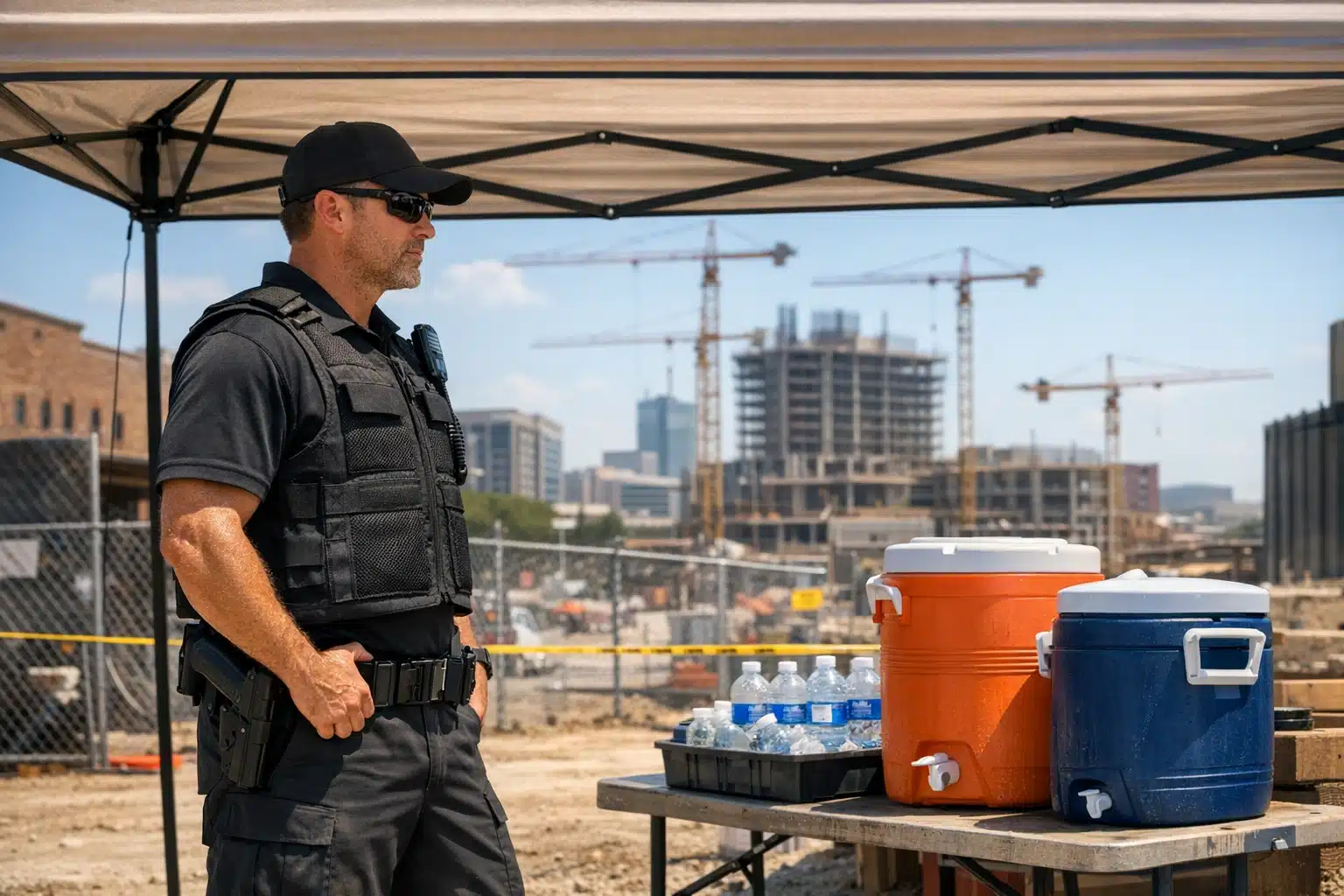
Fort Worth's extreme climate significantly impacts security guard services by influencing patrol schedules and equipment performance. High summer temperatures often exceed 100°F, while winter ice storms can disrupt operations for days, creating unique challenges that business owners must address to maintain effective security.
How North Texas Weather Shapes Security Operations
Fort Worth’s extreme climate presents unique challenges for security guard services that many business owners overlook. Summer temperatures regularly exceed 100°F, while winter ice storms can shut down operations for days. Fort Worth climate impact affects everything from guard patrol schedules to equipment performance across the Metroplex.
Security companies operating in Cowtown must adapt their strategies to handle these weather extremes. The difference between effective protection and security failures often comes down to climate preparation.
Summer Heat Challenges for Fort Worth Security Guards
Triple-digit temperatures dominate Fort Worth summers from June through September. Security guards working outdoor posts at construction sites, oil facilities, and Stockyards venues face serious heat-related risks.
Heat Stress Prevention Protocols
Professional security guard services implement specific heat management strategies:
- Hydration stations – Guards consume 16-32 ounces of water per hour during peak heat
- Rotating patrol schedules – 30-minute outdoor shifts followed by air-conditioned breaks
- Cooling vests – Specialized gear that reduces core body temperature by 5-8 degrees
- Shade structures – Portable canopies for fixed security posts
Construction sites in West 7th and Near Southside require additional precautions. Guards monitor for heat exhaustion symptoms and adjust patrol patterns during afternoon temperature spikes.
Equipment Performance in Extreme Heat
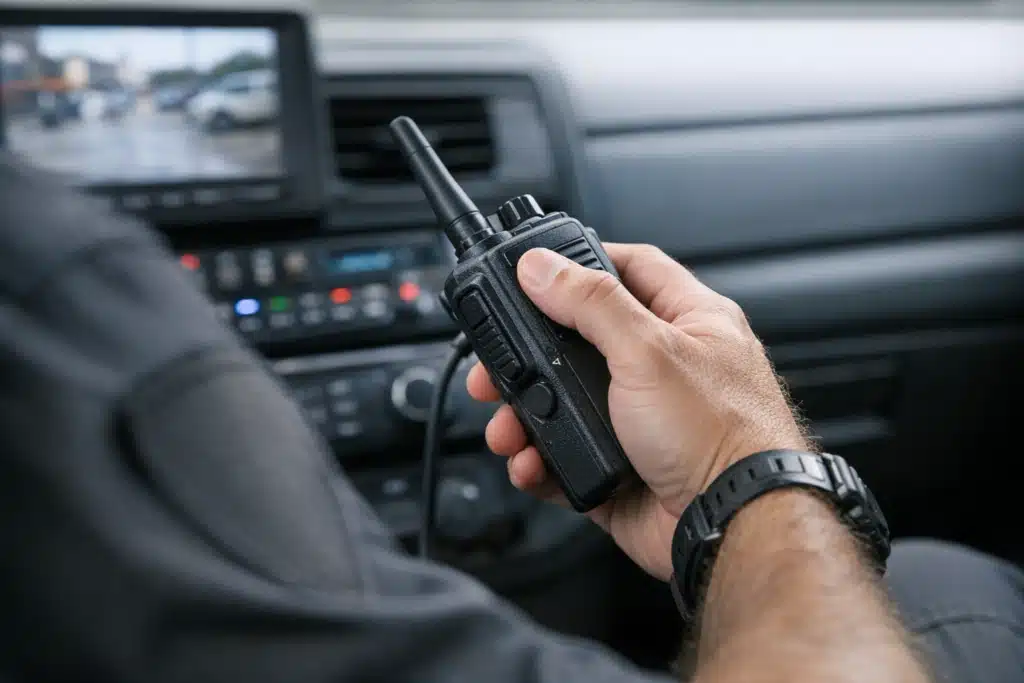
Electronic security equipment struggles in Fort Worth’s summer conditions. Radio batteries drain 40% faster in temperatures above 95°F. Vehicle air conditioning systems work overtime, increasing fuel costs and maintenance needs.
Smart security companies store backup equipment in climate-controlled environments. They also schedule equipment checks during cooler morning hours to prevent heat-related malfunctions.
Severe Weather Response Strategies
Fort Worth sits in Tornado Alley, experiencing an average of 2-3 tornado touchdowns per year. Severe thunderstorms bring hail, flooding, and straight-line winds exceeding 70 mph.
Tornado Season Security Protocols
March through June requires heightened weather awareness from security teams. Guards at apartment communities and business complexes follow specific severe weather procedures:
- Weather monitoring – Continuous tracking of National Weather Service alerts
- Evacuation assistance – Guiding residents and employees to safe areas
- Post-storm assessment – Documenting property damage and security vulnerabilities
- Emergency communication – Maintaining contact with property managers during power outages
The 2019 tornado that damaged parts of Dallas reminded Fort Worth security providers about the importance of emergency preparedness. Properties without clear severe weather protocols suffered longer recovery times.
Hail and Wind Damage Response
Hailstorms regularly pummel the Metroplex with stones exceeding golf ball size. Security guards must quickly secure outdoor areas and protect vehicles from damage.
Wind events create additional security risks. Loose construction materials become projectiles. Damaged fencing creates entry points for unauthorized access. Experienced guards know to inspect perimeter security immediately after severe weather passes.
Winter Weather Security Considerations
North Texas ice storms paralyze the region every few years. The February 2021 winter storm left Fort Worth without power for days, creating massive security challenges.
Ice Storm Patrol Adjustments
Icy conditions make normal security patrols dangerous or impossible. Guards switch to indoor monitoring posts and rely more heavily on remote surveillance systems during ice events.
Vehicle-based patrols become impractical when roads ice over. Security companies maintain four-wheel-drive vehicles specifically for winter weather operations. These vehicles carry emergency supplies including flashlights, blankets, and communication equipment.
Power Outage Security Protocols
Extended power outages disable standard security systems. Backup generators become critical infrastructure during winter storms. Guards perform manual door checks and rely on battery-powered radios for communication.
Business districts like the Stockyards experience increased break-in attempts during blackouts. Security presence becomes even more important when electronic security systems fail.
Seasonal Crime Pattern Adaptations
Fort Worth crime statistics show clear seasonal variations that impact security strategies. Property crimes increase 15-20% during summer months when more people spend time outdoors.
Summer Crime Prevention Focus
Longer daylight hours extend security patrol coverage. Business complexes and retail centers see more foot traffic, requiring additional vigilance during evening hours.
Construction sites face higher theft rates in summer. Copper wire and tool theft spikes when weather conditions make overnight break-ins more comfortable for criminals.
Winter Security Challenges
Shorter daylight hours create longer periods of darkness. Earlier sunset times mean security guards begin high-alert periods by 6 PM instead of 8 PM during summer months.
Holiday seasons bring package theft concerns to apartment communities. Guards increase lobby monitoring and implement special delivery protocols during November and December.

 Posted on Google
Remote Surveillance Climate Advantages
Weather-related security challenges highlight the value of remote video surveillance systems. These systems operate effectively regardless of outdoor conditions.
24/7 Climate-Controlled Monitoring
Remote surveillance centers maintain optimal operating conditions year-round. Security personnel monitor multiple locations from climate-controlled environments, avoiding heat stress and severe weather exposure.
High-definition cameras with infrared capability provide clear footage during all weather conditions. Rain, snow, and darkness don’t impair remote monitoring effectiveness like they impact on-site guards.
Weather-Resistant Camera Technology
Modern surveillance cameras withstand Fort Worth’s climate extremes. IP66-rated housing protects electronics from hail, wind, and temperature fluctuations between 20°F and 120°F.
Solar-powered camera systems maintain operation during power outages. These systems include battery backup capable of 72-hour autonomous operation during extended blackouts.
Cost Implications of Weather-Adapted Security
Climate considerations impact security service costs in measurable ways. Summer overtime expenses increase when guards require more frequent breaks and hydration support.
Seasonal Staffing Adjustments
Security companies often increase staffing levels during severe weather seasons. Additional guards provide coverage when primary personnel face weather-related challenges or safety concerns.
Winter weather preparations include vehicle winterization, emergency supply stockpiling, and backup communication systems. These costs typically represent 5-8% of annual security budgets for outdoor security operations.
Equipment Maintenance Increases
Extreme temperatures accelerate equipment wear rates. Radio batteries, vehicle components, and electronic devices require more frequent replacement in Fort Worth’s climate.
Preventive maintenance schedules adjust for seasonal demands. Air conditioning systems receive extra attention before summer heat arrives. Heating systems and cold-weather gear undergo inspection before winter months.
Best Practices for Climate-Resilient Security
Successful Fort Worth security operations integrate weather considerations into daily procedures. This preparation prevents weather-related security failures.
Year-Round Weather Planning
Effective security providers maintain detailed weather response protocols. These plans specify actions for different threat levels, from heat advisories to tornado warnings.
Regular training ensures all security personnel understand weather-related procedures. Guards practice emergency evacuation routes and communication protocols before severe weather seasons arrive.
Technology Integration
Combining on-site guards with remote surveillance creates weather-resilient security coverage. When outdoor conditions become dangerous, remote monitoring maintains property protection without risking personnel safety.
Weather monitoring apps and alert systems keep security teams informed of changing conditions. Real-time weather data enables proactive adjustments to patrol schedules and security protocols.
Protecting Your Fort Worth Property Year-Round
Fort Worth’s extreme climate requires security providers who understand local weather challenges and plan accordingly. Effective protection combines weather-adapted procedures with climate-resilient technology.
Professional security guard services that account for seasonal variations provide more reliable protection than companies using generic approaches. Weather preparation often determines the difference between security success and failure during critical events.
Contact Twin City Security Fort Worth at 817-922-9774 for a customized security assessment that addresses your property’s specific climate-related vulnerabilities and protection needs.
Sources
- National Weather Service – Dallas-Fort Worth Climate Data
- OSHA – Heat Exposure Prevention
- NOAA – Extreme Weather and Climate Events
- Bureau of Labor Statistics – Weather-Related Occupational Injuries
Fort Worth's extreme climate significantly influences security guard services, requiring companies to adapt their operations to ensure effective protection. From managing heat stress in the summer to preparing for ice storms and tornadoes, security providers must implement specific strategies to address these challenges.
- Summer temperatures often exceed 100°F, leading to heat stress risks for outdoor guards. They utilize hydration stations and cooling vests to manage these conditions.
- Severe weather events, including tornadoes and hailstorms, necessitate continuous monitoring and emergency protocols to protect properties and ensure safety.
- Winter ice storms can disrupt normal operations, prompting security teams to switch to indoor monitoring and rely on backup power systems for communication.