
The Importance of Employee Training in Fort Worth’s Security Operations
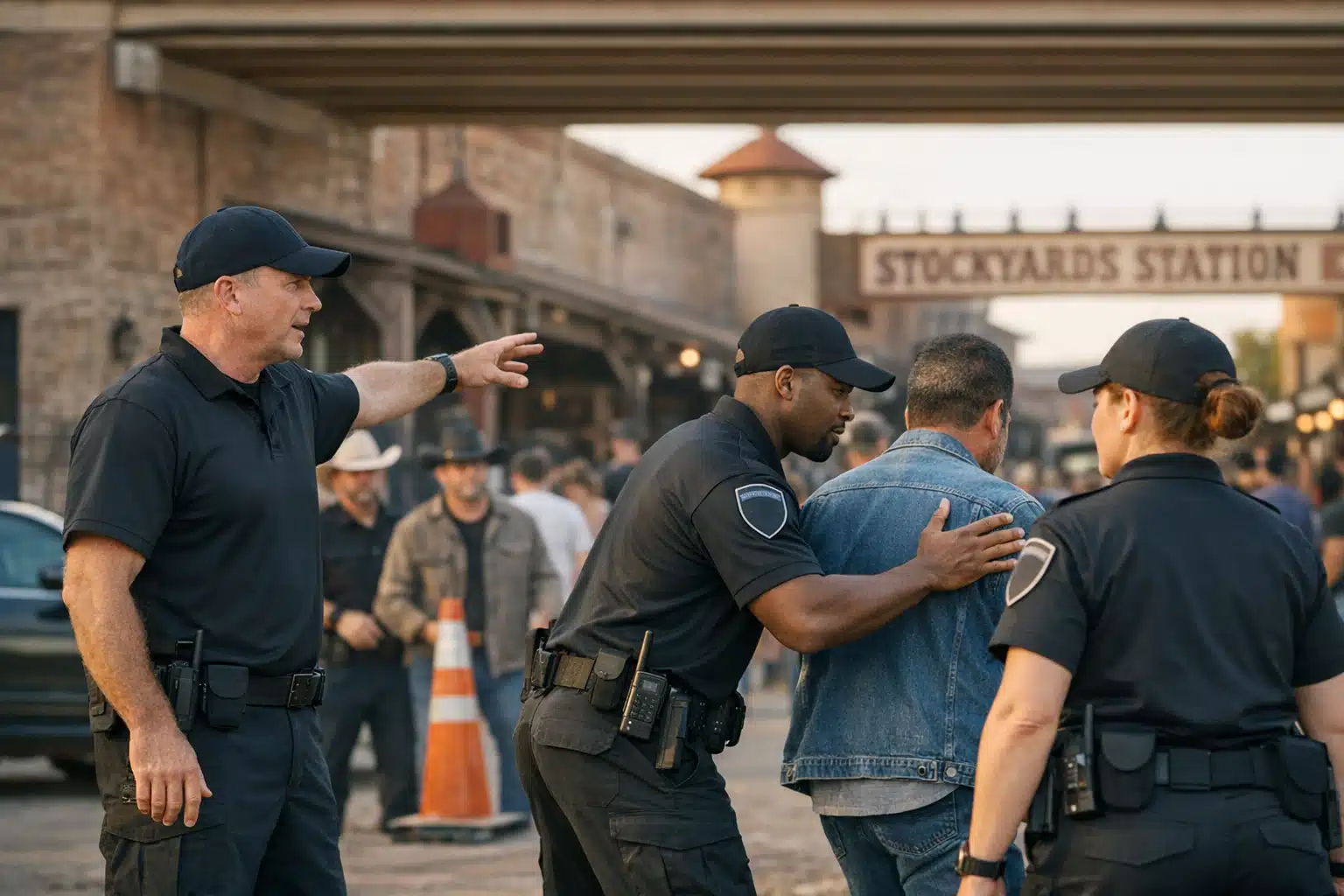
Employee training is crucial in Fort Worth's security operations because it equips guards with the skills and confidence needed to respond effectively during incidents. Proper training transforms a mere presence into a reliable safeguard, ensuring that security personnel can protect venues, oil and gas sites, and communities throughout Tarrant County.
Fort Worth saw over 30,000 property crime reports in a recent year, according to city police data. A guard standing post means little if that guard freezes during an incident. Security training separates a deterrent presence from a real safeguard for Stockyards venues, oil & gas sites, and apartment communities across Tarrant County.
This post breaks down what effective guard training looks like in Fort Worth. You will learn the drills that matter, the Texas rules that apply, and how prepared staff protect your property and your bottom line.
Why Security Training Decides Outcomes in Fort Worth
A badge and a uniform do not stop crime. Decision-making under pressure does.
Most security failures trace back to one gap: staff who were posted but never prepared. A guard who cannot read a crowd at Billy Bob’s or spot a copper theft setup at a Near Southside construction site becomes a liability.
Trained guards reduce three measurable costs:
- False alarm fees from misread sensor triggers
- Liability claims from improper use of force or detention
- Loss events from slow or wrong responses to real threats
Fort Worth property owners feel each of these directly. A single mishandled detention at a West 7th venue can cost more than a year of guard wages in legal fees.
Texas Licensing Sets the Floor, Not the Ceiling
Texas requires security officers to hold a license from the Texas Department of Public Safety Private Security Program. Commissioned officers who carry firearms complete additional firearm training and testing.
Licensing confirms a baseline. It does not confirm that a guard knows your Stockyards event layout or your oilfield perimeter protocol.
That gap is where site-specific preparation earns its keep.
Security Training for Stockyards Crowd Management
Stockyards event security requires crowd reading, not just crowd watching. During the twice-daily cattle drive and weekend rodeo crowds, foot traffic density changes block by block.
A prepared guard watches for specific patterns:
- Pinch points near Exchange Avenue where crowds bottleneck
- Alcohol-related escalation outside honky-tonks after 10 p.m.
- Lost-child reports during peak festival hours
- Vehicle intrusion risks at pedestrian zones
Training covers how to de-escalate a drunk patron without triggering a fight. It covers when to call Fort Worth PD versus when to handle an issue in-house.
Event Staffing Ratios Matter
Crowd size drives guard count. A 500-person private event at a Stockyards venue needs different coverage than a 5,000-person festival.
Under-staffing turns a minor scuffle into a viral incident. Prepared operators calculate ratios before the event, not during it.
Oil & Gas Site Training in North Texas
Oil & gas facilities around Fort Worth face theft, trespass, and safety-compliance risks at once. A guard here needs more than patrol skills.
Site-specific preparation for energy facilities covers:
- Hazard awareness around active wellheads and tank batteries
- Copper and equipment theft recognition during night shifts
- Access log discipline for contractors and vendors
- Emergency shutdown contact chains when something goes wrong
A guard who walks a Barnett Shale pad site must know the difference between a routine contractor and a staged theft crew. That judgment comes from drills, not instinct.
Employee Preparedness for North Texas Weather
Weather preparation sets Fort Worth security apart from calmer climates. Guards here work in triple-digit summer heat and spring tornado conditions.
Summer Heat Monitoring Challenges
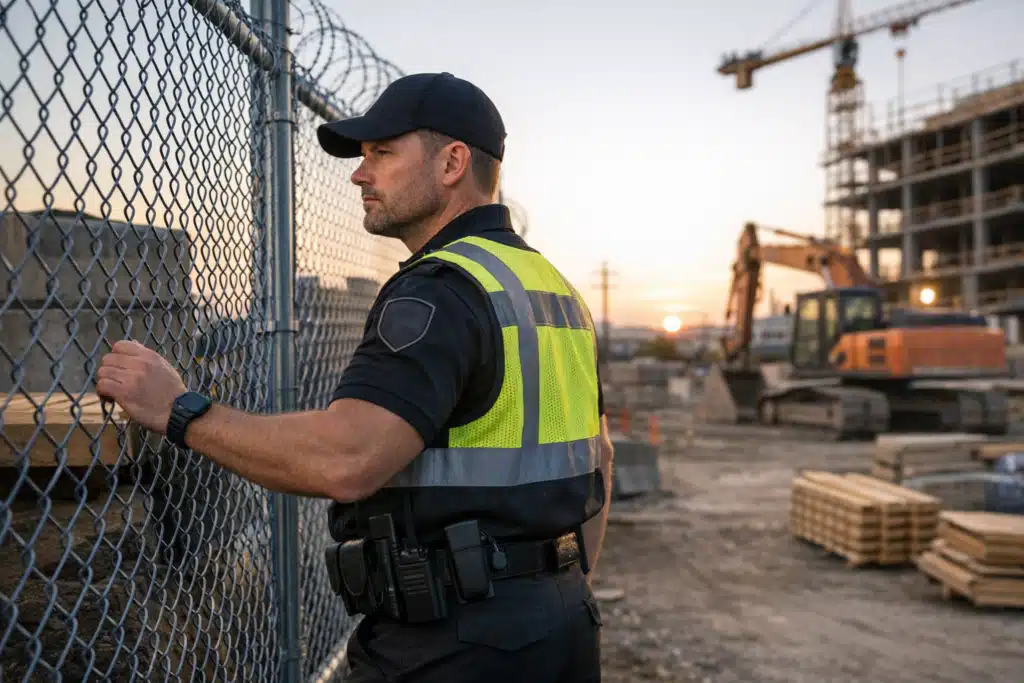
Fort Worth summers push past 100°F for weeks. A guard posted at an open construction site faces heat illness risk and reduced alertness.
Employee preparedness for heat includes:
- Hydration and rotation schedules for outdoor posts
- Recognizing heat exhaustion signs in self and coworkers
- Shaded observation points without losing sightlines
Remote video surveillance covers the gap here. Cameras hold watch during the hottest hours while guards rotate through cooler patrol intervals.
Tornado and Storm Season Response
North Texas spring storms bring tornado warnings and flash flooding. A trained guard knows the shelter plan for an apartment community before the siren sounds.
Preparedness means knowing which Arlington Heights building corridor serves as shelter. It means securing a construction site against high winds before a storm line arrives.

 Posted on Google
What a Strong Guard Training Program Includes
Good security training runs on repetition and site knowledge. A guard who drills a scenario responds faster than one who only read about it.
A complete program covers:
- Observation and reporting that holds up as legal evidence
- De-escalation for alcohol, mental health, and dispute situations
- Use-of-force limits under Texas law
- Emergency medical basics like CPR and bleeding control
- Technology handling for access control and camera systems
- Site-specific drills for each property type
Reporting deserves attention. A vague incident log weakens a case. A precise, timestamped report protects the client and the guard.
Remote Monitoring Operators Need Training Too
Camera monitoring is not passive watching. Remote operators must spot a loitering pattern before it becomes a break-in.
Trained operators at a monitoring center know when to issue a live voice-down warning. They know when to dispatch and when a raccoon tripped the motion sensor.
This judgment cuts false dispatches and catches real intrusions early. Untrained monitoring produces alert fatigue and missed events.
How to Evaluate a Security Provider’s Training
Ask direct questions before you hire. A provider that cannot answer them has not invested in staff preparation.
- How do you train guards for my specific site type?
- What ongoing drills do guards complete after hiring?
- How do you verify Texas DPS licensing?
- What is your de-escalation and use-of-force policy?
- How do monitoring operators handle false alarms?
Clear answers signal a provider that treats training as a standard, not an afterthought. Vague answers signal risk you will inherit.
Contact Twin City Security Fort Worth
Prepared guards and trained monitoring operators turn a security plan into real protection. Twin City Security Fort Worth builds site-specific training for Stockyards venues, oil & gas facilities, construction sites, and apartment communities across North Texas.
Request a Fort Worth security assessment or monitoring quote. Call or text 817‑922‑9774, email fortworth@twincitysecurity.com, or visit https://www.twincitysecurityfortworth.com.
Sources
- Texas Department of Public Safety – Private Security Program
- City of Fort Worth – Police Department
- OSHA – Heat Exposure Prevention
- National Weather Service – Fort Worth/Dallas Forecast Office
Fort Worth's security operations face significant challenges due to high property crime rates, making effective employee training essential for ensuring safety across various venues. Proper training equips guards with the skills to respond appropriately during incidents, ultimately protecting property and reducing costs associated with security failures.
- Fort Worth reported over 30,000 property crimes recently, highlighting the need for trained security personnel. Guards must be prepared to make quick decisions to prevent incidents from escalating. Effective training reduces costs related to false alarms, liability claims, and response failures.
- Texas requires security officers to be licensed, but site-specific training is crucial for effective security operations. Guards need to understand unique challenges at venues like the Stockyards and oil & gas sites. Preparedness includes crowd management and recognizing theft risks.
- Weather conditions in North Texas add complexity to security roles, necessitating training for heat and storm responses. Guards must be aware of hydration needs and shelter plans during severe weather. Comprehensive training ensures guards can maintain safety in challenging conditions.