Implementing Security Solutions for Fort Worth’s Expanding Tech Hubs
Security solutions are vital for Fort Worth's expanding tech hubs as they protect sensitive data and infrastructure. With the addition of over 15,000 tech jobs and new data centers, ensuring robust security measures helps safeguard against cyber threats, fostering a safe environment for innovation and growth in the technology sector.
Why Tech Hub Security Matters in Fort Worth
Fort Worth added more than 15,000 tech-related jobs between 2019 and 2023, according to regional workforce data. New data centers, software firms, and research campuses now sit alongside the Stockyards and Near Southside.
Tech hub security protects these sites from equipment theft, intellectual property loss, and operational downtime. A single breach at a server facility can halt operations for hundreds of clients.
This post breaks down the risks Fort Worth tech facilities face. It covers practical steps for on-site guards, remote video monitoring, and North Texas weather threats.
What Makes Tech Facilities Different From Other Sites
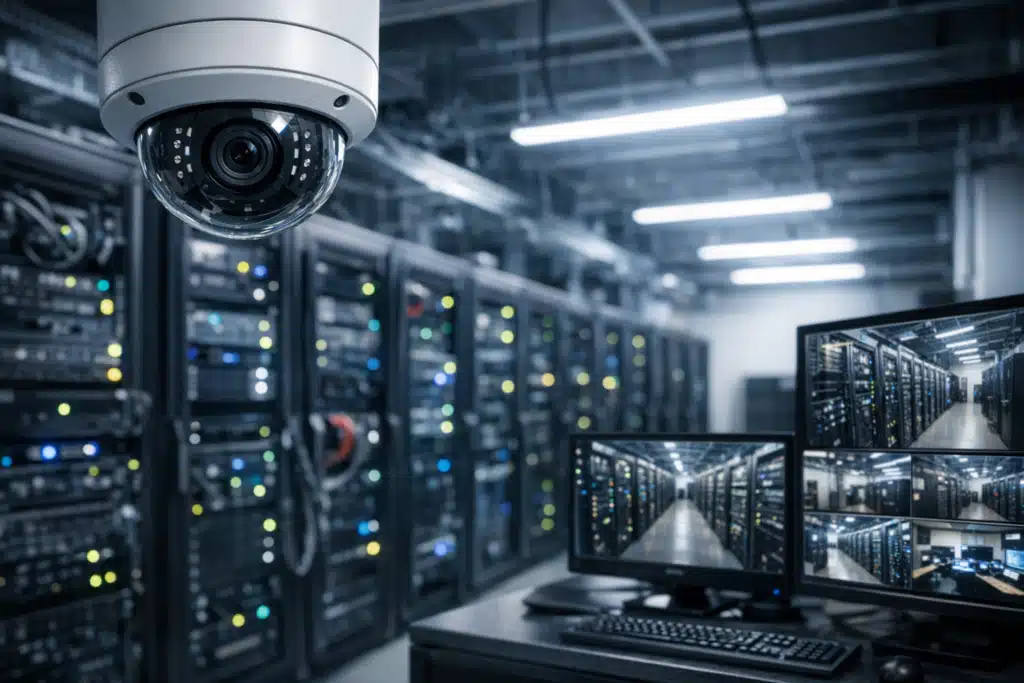
Tech campuses hold concentrated value in small footprints. A single server rack can contain hardware worth six figures.
Three traits set these sites apart:
- High-value hardware — GPUs, servers, and networking gear draw organized theft crews.
- Sensitive data — physical access to a machine can expose proprietary code or client records.
- Uptime demands — even brief outages trigger contractual penalties and client loss.
Standard building security misses the mark here. A tech hub needs layered access control and constant monitoring of entry points.
The Insider Threat Problem
Most tech facility losses come from people with legitimate access. Contractors, former employees, and vendors account for a large share of hardware theft.
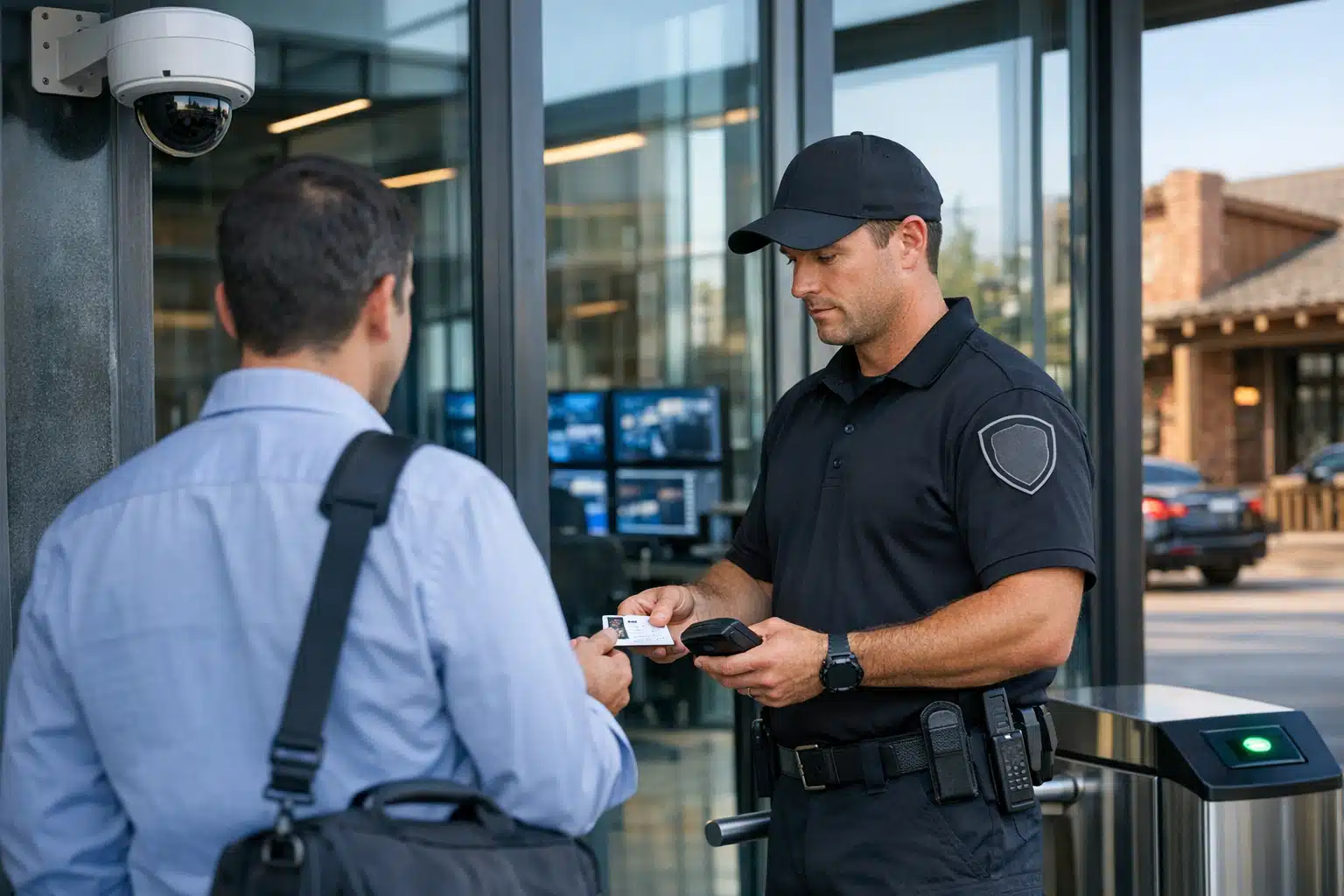
On-site guards trained to verify credentials catch what badge readers alone miss. They notice when someone carries equipment out at odd hours.
Tech Hub Security Strategies for Fort Worth Campuses
Effective tech hub security layers physical presence with video coverage. No single method covers every gap.
Step-by-Step Protection Plan
- Map your access points. Count every door, loading dock, and server room entry. Rank them by risk.
- Station guards at choke points. Place officers where all foot traffic funnels, like main lobbies and dock entries.
- Install remote cameras on blind spots. Cover parking structures, rooftop HVAC units, and rear exits.
- Set clock-in verification. Require badge-plus-visual confirmation for after-hours entry.
- Log all equipment movement. Track hardware leaving the building with signed manifests.
Facilities near West 7th and the medical district face added foot traffic from mixed-use development. Guards there must separate legitimate visitors from opportunists.
Remote Video Monitoring for 24/7 Coverage
Remote surveillance watches your campus when guards cannot be everywhere. Trained operators review live feeds from an off-site center.
This method works for Fort Worth tech sites because:
- Operators flag intrusions in real time and dispatch response.
- Recorded footage supports theft investigations and insurance claims.
- Coverage costs less than full guard staffing for every zone.
Pairing live guards with remote eyes closes gaps that either method leaves alone.
Innovation Center Protection Against North Texas Weather
Innovation center protection in Fort Worth must account for severe weather. Tarrant County sits in a high-risk zone for hail, tornadoes, and triple-digit heat.
Tornado and Storm Season
Peak tornado season runs April through June in North Texas. High winds can breach loading docks and knock out power to cooling systems.
Guards trained in storm protocols secure doors and monitor backup generators. They confirm server rooms stay sealed during pressure drops.
Summer Heat and Equipment Risk
Fort Worth summers push past 100°F for weeks at a stretch. Heat strains cooling systems that keep servers running.
Remote monitoring catches rising temperatures before hardware fails. Operators alert staff when HVAC readings climb outside safe ranges.
A cooling failure at a data center can destroy equipment in minutes. Early detection saves hardware and prevents downtime.
Access Control for Research and Development Labs
R&D labs hold prototypes and intellectual property that competitors want. Innovation center protection starts with strict entry rules.
Use a tiered access model:
- Public zones — lobbies and meeting rooms open to verified visitors.
- Staff zones — offices requiring badge access.
- Restricted zones — labs and server rooms limited to named personnel.
Guards enforce the line between zones. They stop tailgating, where an unauthorized person follows an employee through a secured door.
Visitor and Vendor Management
Every vendor entering a tech campus needs documented check-in. Delivery drivers, cleaning crews, and repair techs all require escorts in sensitive areas.
A guard log that records name, time, and purpose builds a clear trail. That record matters when equipment goes missing.

 Posted on Google
What Fort Worth Tech Hub Security Costs
Pricing depends on site size, hours, and coverage mix. A small lab needs less staffing than a multi-building campus.
Factors that shape your quote:
- Guard hours — overnight and weekend coverage costs more than business hours.
- Camera count — more blind spots mean more remote monitoring zones.
- Response level — on-call dispatch adds cost but cuts loss.
- Site layout — sprawling campuses need more patrol routes.
A mixed model of guards plus remote monitoring stretches a budget further than either alone. Twin City Security Fort Worth assesses each site before quoting.
Texas Licensing and Guard Standards
Texas requires security officers to hold licenses from the Department of Public Safety. The Private Security Bureau sets training and registration rules.
When hiring tech hub security, confirm these points:
- Guards carry current PSB registration.
- The provider holds a valid company license.
- Officers receive site-specific training for tech environments.
A licensed provider protects you from liability if an incident lands in court.
Conclusion
Fort Worth’s growing tech sector brings high-value targets to neighborhoods from Near Southside to West 7th. Protecting data centers and research labs calls for layered guards, remote video, and weather readiness. The right mix defends your hardware, data, and uptime against theft and North Texas storms.
Twin City Security Fort Worth builds site assessments for tech campuses across the city. Call or text 817‑922‑9774, email fortworth@twincitysecurity.com, or visit https://www.twincitysecurityfortworth.com for a monitoring quote.
Sources
- Texas Department of Public Safety – Private Security Bureau
- National Weather Service – Fort Worth/Dallas Forecast Office
- City of Fort Worth – Police Department
Fort Worth's tech sector has seen significant growth, necessitating robust security measures to protect valuable assets and sensitive data. Effective strategies include a combination of on-site guards, remote monitoring, and weather preparedness to mitigate risks.
- Fort Worth added over 15,000 tech jobs from 2019 to 2023, increasing the need for security solutions. Tech hubs face unique threats like equipment theft and data breaches that require specialized protection. A layered security approach, including access control and remote monitoring, is essential for safeguarding these facilities.
- Why Tech Hub Security Matters in Fort Worth Fort Worth added more than 15,000 tech-related jobs between 2019 and 2023, according to regional workforce data.
- New data centers, software firms, and research campuses now sit alongside the Stockyards and Near Southside.