
How to Maintain Security Equipment in Fort Worth’s Variable Climate
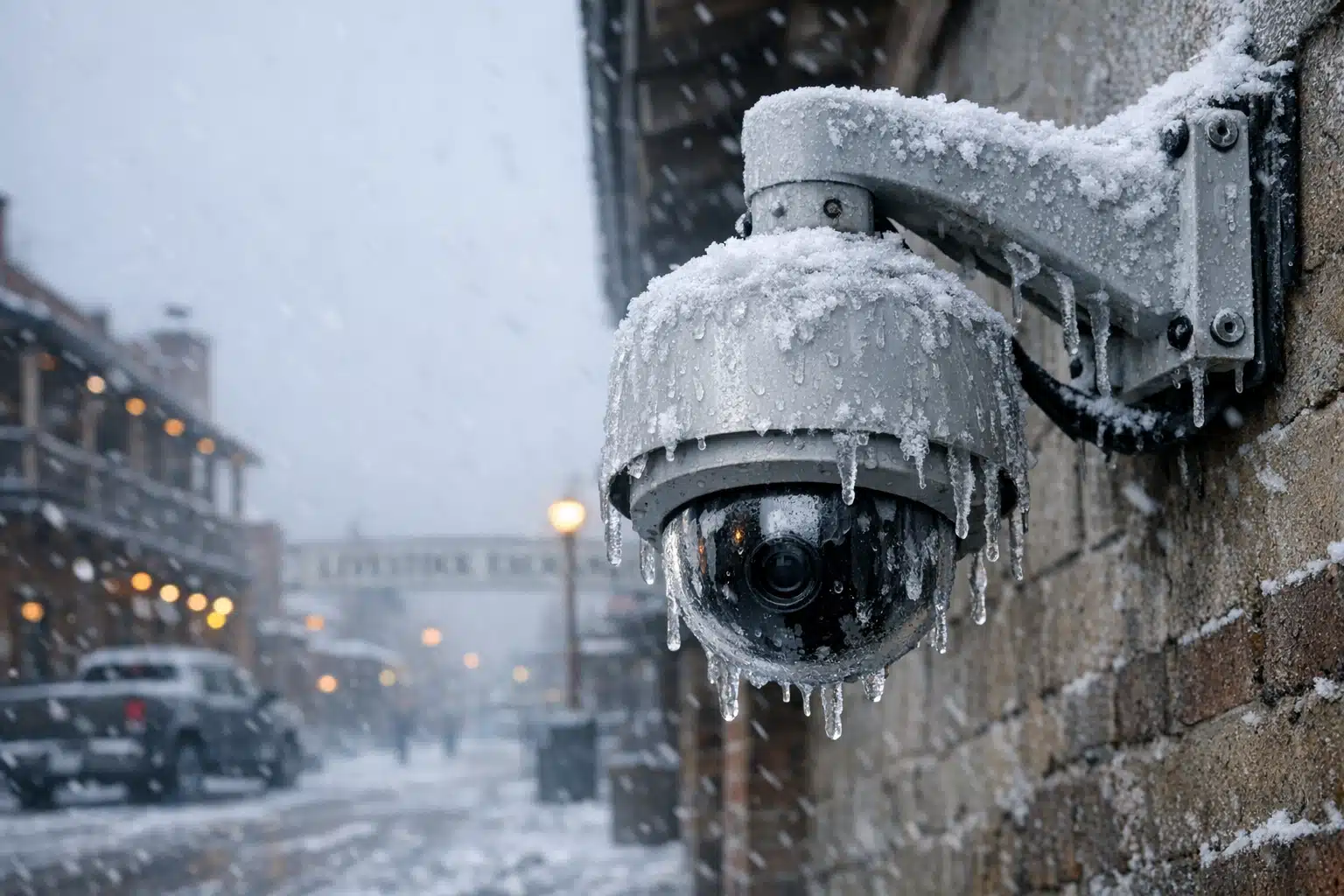
To maintain security equipment in Fort Worth's variable climate, regularly inspect and service devices to ensure they function properly under extreme temperatures. Protect cameras and sensors from ice and heat damage by using weather-resistant enclosures and keeping them clean. Schedule routine maintenance to address potential issues before they lead to failures.
Weather-Related Security Equipment Failures Cost Fort Worth Businesses Thousands
Fort Worth’s climate swings from sub-freezing ice storms to 105°F summer heat in the same year. These extreme temperature fluctuations cause security equipment maintenance headaches that many business owners don’t anticipate until their cameras fail during a break-in.
Last winter’s ice storm knocked out surveillance systems across the Stockyards for three days. Summer heat regularly triggers false alarms in West 7th District establishments when sensors malfunction.
Proper maintenance schedules prevent these costly failures and keep your property protected year-round.
Temperature Extremes That Damage Fort Worth Security Systems
Winter challenges hit hardest between December and February. Ice accumulation weighs down camera mounts until they snap. Freezing temperatures crack plastic housing on outdoor equipment.
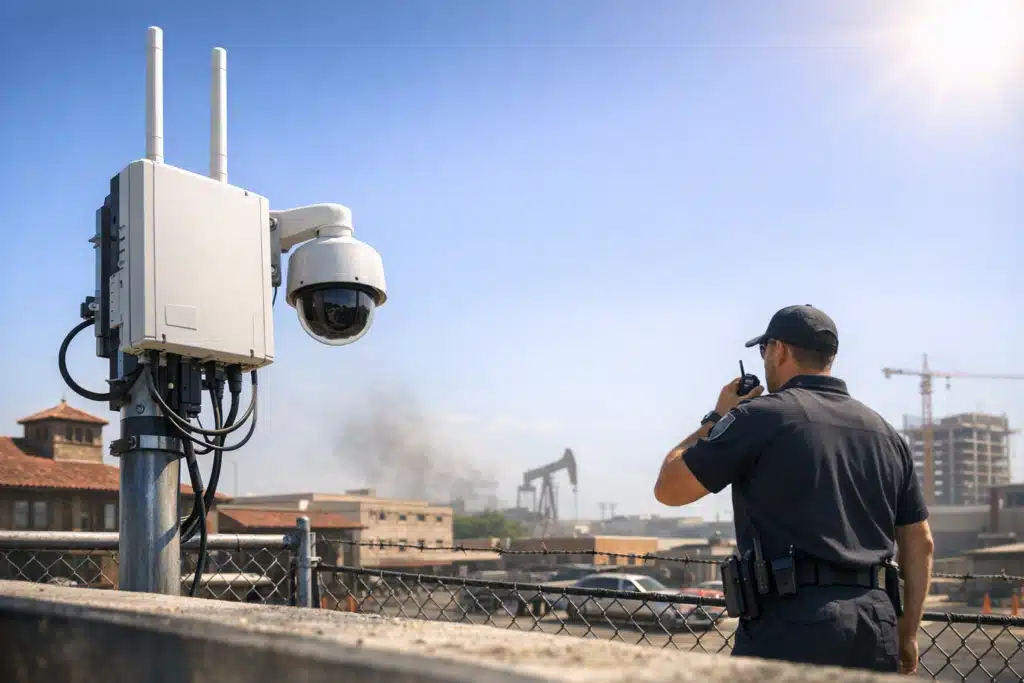
Summer heat stress begins in May and lasts through September. Direct sunlight degrades camera lenses. Electronic components overheat and shut down when temperatures exceed manufacturer specifications.
Rapid temperature changes occur during spring and fall. A 40-degree swing between morning and afternoon creates condensation inside camera housings. Moisture causes short circuits and permanent damage.
Equipment Most Vulnerable to Fort Worth Climate Challenges
- Outdoor security cameras mounted on south-facing walls
- Access control keypads exposed to direct sunlight
- Motion sensors near HVAC vents or drafty areas
- Wireless transmitters on rooftops without weather shields
- Cable connections lacking weatherproof seals
Monthly Security Equipment Maintenance Schedule for Texas Weather
Consistent maintenance prevents weather damage before it occurs. This schedule aligns with Fort Worth’s seasonal patterns.
January Through March: Winter Protection Tasks
Ice damage inspection tops the priority list. Check camera mounts for stress fractures after each ice event. Remove ice buildup manually using lukewarm water, never hot water that cracks cold lenses.
Heater function testing ensures cameras with built-in heating elements work properly. Test these systems monthly during cold months.
Seal inspection prevents moisture intrusion. Replace any cracked gaskets or weatherstripping around junction boxes and camera housings.
April Through June: Spring Preparation
Lens cleaning removes winter dirt and prepares cameras for pollen season. Use microfiber cloths and approved cleaning solutions only.
Ventilation clearing prevents overheating as temperatures rise. Clear debris from equipment ventilation holes and cooling fans.
Calibration checks account for changing daylight hours. Adjust motion sensor sensitivity and camera exposure settings for spring lighting conditions.
July Through September: Heat Management
Cooling system verification prevents heat-related shutdowns. Test all fans and verify equipment temperatures stay within operating ranges.
Sun shield installation protects equipment from direct UV exposure. Add or adjust shading devices based on summer sun angles.
Power supply monitoring catches heat-stressed components early. Check voltage levels and replace any power supplies running hot.
October Through December: Winter Preparation
Weatherproofing renewal prepares equipment for winter storms. Apply fresh sealant around all exterior connections.
Backup power testing ensures systems work during outages. Test UPS batteries and backup generators monthly.
Heating element preparation readies cold-weather equipment. Clean and test camera heaters before first freeze.
Protecting High-Value Areas During Extreme Weather
Stockyards venues face unique challenges during events. Large crowds generate heat that affects nearby sensors. Dust from cattle activities clogs camera lenses faster than typical commercial properties.
Event day preparation includes extra lens cleaning and sensor recalibration. Schedule maintenance within 24 hours after major events when dust and debris accumulation peaks.
Construction sites need enhanced protection during storm season. Secure loose equipment covers before weather events. Position cameras to avoid debris paths during high winds.
Critical Maintenance Tools for Fort Worth Conditions
- Digital thermometer for monitoring equipment temperatures
- Compressed air canisters for dust removal
- Silica gel packets for moisture absorption
- UV-resistant cable ties for securing loose wiring
- Weatherproof sealant rated for Texas temperature ranges

 Posted on Google
When Professional Maintenance Becomes Necessary
Complex system integration requires professional expertise. Multi-camera networks with centralized monitoring need specialized diagnostic equipment to identify weather-related problems.
Warranty preservation often mandates professional service. Many manufacturers void warranties when untrained personnel perform maintenance on sophisticated equipment.
Safety considerations make professional service essential for rooftop installations. High-mounted cameras require proper safety equipment and training to service safely.
Signs Your Fort Worth Security System Needs Professional Attention
- Image quality degradation despite regular lens cleaning
- Intermittent connectivity issues during temperature changes
- False alarms increasing during weather transitions
- Equipment shutdowns during peak heat or cold periods
- Visible corrosion on outdoor components
Cost-Effective Maintenance Strategies
Preventive maintenance contracts cost less than emergency repairs. Regular service prevents small issues from becoming expensive failures.
Equipment staging reduces downtime during repairs. Keep backup cameras and sensors available for immediate replacement during maintenance.
Seasonal scheduling maximizes maintenance value. Perform intensive cleaning and testing during mild weather periods when technicians can work efficiently.
Budget Planning for Annual Maintenance
Commercial properties typically budget 10-15% of initial equipment cost annually for maintenance. Harsh climate conditions in Fort Worth may push this to 20% for heavily exposed outdoor systems.
Quarterly professional inspections catch problems early and cost less than monthly service calls. Schedule these during March, June, September, and December.
Emergency service availability matters during severe weather events. Establish relationships with local security companies before problems occur.
Fort Worth’s variable climate demands proactive security equipment maintenance to prevent costly failures. Regular cleaning, seasonal adjustments, and professional inspections keep your surveillance systems working when you need them most. Contact Twin City Security Fort Worth at 817‑922‑9774 for a customized maintenance plan that protects your investment through every Texas weather extreme.
Sources
- National Weather Service – Fort Worth Climate Data
- NIST – Physical Security Guidelines
- Security Industry Association – Equipment Standards
Fort Worth's fluctuating climate can lead to significant security equipment failures, costing businesses thousands. Regular maintenance is essential to prevent these issues and ensure reliable operation throughout the year.
- Fort Worth experiences extreme temperature changes that can damage security systems. Regular inspections and maintenance help avoid costly failures.
- Winter and summer present unique challenges, such as ice damage and overheating. A seasonal maintenance schedule addresses these specific issues.
- Professional service may be necessary for complex systems to ensure safety and warranty compliance. Establishing relationships with local security companies is beneficial for emergency situations.