
Choosing the Right Security Solution for Fort Worth Oil & Gas Facilities
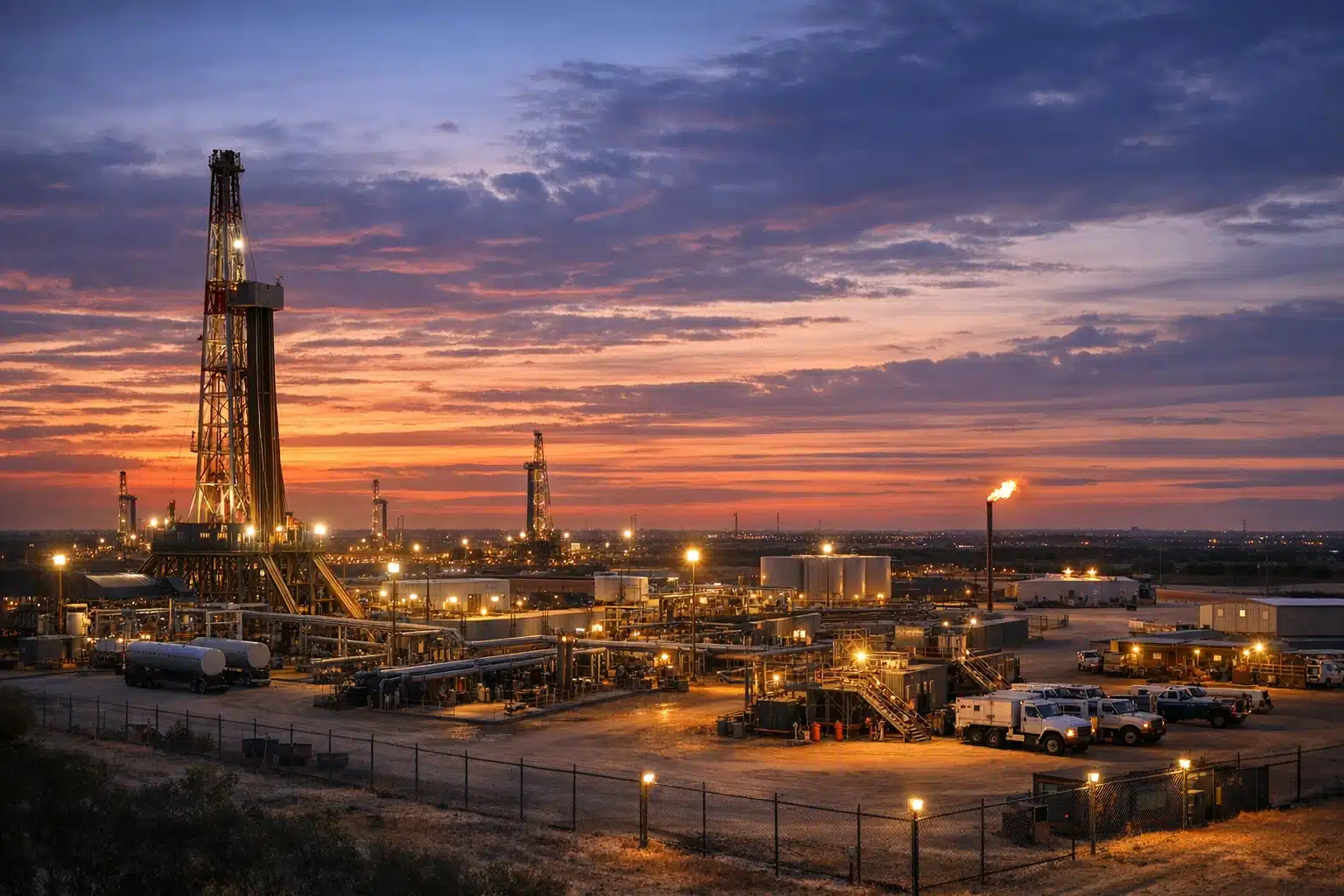
Security solutions for Fort Worth oil and gas facilities involve specialized protection strategies tailored to address the unique challenges of operating in remote locations. These strategies may include surveillance systems, access control measures, and emergency response plans to ensure the safety and security of personnel and assets.
Oil & Gas Security Challenges in North Texas
Fort Worth’s oil and gas facilities operate around the clock in remote locations across Tarrant County. These sites face oil & gas security solutions challenges that require specialized protection strategies.
The Barnett Shale formation beneath Fort Worth has created thousands of drilling sites, processing facilities, and pipeline networks. Each location presents distinct vulnerabilities that generic security approaches cannot address.
Modern threats to energy infrastructure include equipment theft, copper wire stripping, and unauthorized access to sensitive areas. Environmental monitoring systems also need protection from tampering that could trigger false alarms or mask genuine safety concerns.
Remote Monitoring vs. On-Site Guards for Energy Facilities
Fort Worth energy companies choose between remote video surveillance and physical security guards based on site-specific factors. Understanding these differences helps facility managers make informed decisions.
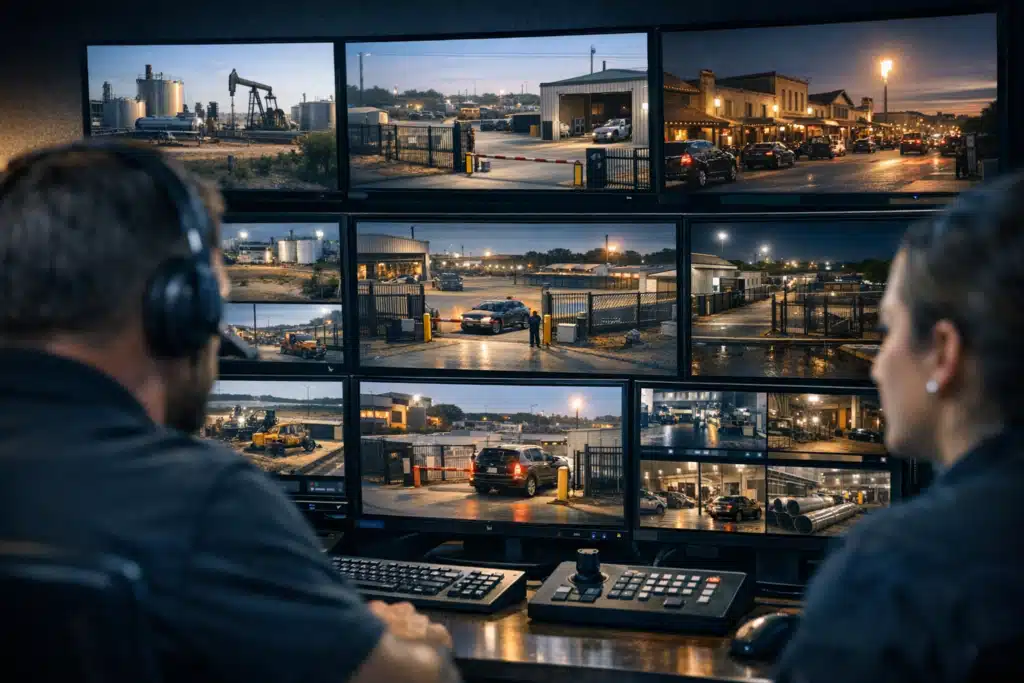
Remote Surveillance Advantages
Remote monitoring systems excel at perimeter detection across large industrial sites. High-resolution cameras with thermal imaging detect movement in complete darkness, while AI-powered analytics distinguish between wildlife, weather events, and human intrusion.
These systems provide 24/7 coverage without shift changes or breaks. Monitoring centers can track multiple Fort Worth facilities simultaneously, reducing per-site costs for companies operating several locations.
Weather resistance matters in North Texas climate extremes. Professional surveillance equipment withstands summer temperatures exceeding 100°F and severe thunderstorms that regularly impact the region.
When Physical Guards Are Necessary
High-value facilities processing volatile materials require immediate response capabilities. On-site security guards can perform equipment shutdowns, coordinate with emergency responders, and provide hands-on incident management.
Complex industrial sites with multiple access points benefit from guard patrol routes. Human observation catches subtle changes in equipment operation, unusual odors, or mechanical sounds that cameras cannot detect.
Regulatory compliance drives guard requirements at certain facilities. Some insurance policies mandate human oversight for specific operational periods or during maintenance activities.
Protecting Critical Infrastructure Points
Fort Worth facility protection starts with identifying the most vulnerable and valuable assets. Energy facilities contain multiple security zones requiring different protection levels.
Wellhead and Production Equipment
Wellheads contain expensive components attractive to thieves targeting copper, brass, and specialized electronics. Remote cameras positioned to monitor approach routes provide early warning of unauthorized activity.
Motion-activated lighting combined with audio warnings often deter casual trespassers. Persistent intruders trigger alerts to monitoring stations that can dispatch local law enforcement or security teams.
Storage Tank Farms
Large storage facilities require perimeter monitoring and access control systems. Thermal cameras detect hot spots that might indicate equipment malfunction or deliberate tampering.
Environmental sensors integrated with security systems monitor for gas leaks or pressure changes. This dual-purpose approach protects both safety and security concerns.
Control Buildings and SCADA Systems
Operational control centers house sensitive computer systems managing pipeline flow, pressure monitoring, and emergency shutdown procedures. These buildings need multiple security layers including card access, interior cameras, and backup power systems.
Cybersecurity integration ensures physical and digital protection work together. Unauthorized physical access to control rooms can compromise network security even with strong IT defenses.
Technology Integration for Energy Security
Modern oil & gas security solutions combine multiple technologies into unified protection systems. Integration reduces false alarms while improving threat detection accuracy.
Sensor Fusion Systems
Advanced security platforms combine video analytics, ground vibration sensors, and radar detection. This multi-layered approach distinguishes between legitimate activity and security threats.
Machine learning algorithms adapt to each site’s normal patterns. Systems learn to ignore regular maintenance schedules, wildlife movement, and weather-related sensor triggers.
Mobile Response Coordination
Cloud-based monitoring platforms allow security teams to view live footage and sensor data from mobile devices. Supervisors can assess threats remotely and coordinate appropriate responses.
GPS tracking ensures the nearest available guard or patrol unit responds to incidents. Response time documentation supports insurance claims and regulatory reporting requirements.
Compliance and Regulatory Considerations
Texas energy facilities must meet federal pipeline safety regulations and state environmental requirements. Security systems help demonstrate compliance with oversight agencies.
The Texas Railroad Commission requires specific safety measures at oil and gas facilities. Security cameras document compliance with inspection schedules and maintenance procedures.
FERC regulations for interstate pipelines mandate security planning and incident reporting. Integrated surveillance systems provide documentation needed for regulatory filings.

 Posted on Google
Cost Analysis for Fort Worth Energy Security
Security investment decisions require understanding both upfront costs and ongoing operational expenses. Different approaches suit various budget constraints and operational requirements.
Remote Monitoring Economics
Initial camera and sensor installation costs range from $15,000 to $50,000 per site depending on coverage area and technology specifications. Monthly monitoring fees typically cost $200 to $800 per location.
Large companies operating multiple Fort Worth area facilities achieve economies of scale through centralized monitoring contracts. Single monitoring center can oversee dozens of remote locations.
Guard Service Calculations
Full-time security guards cost approximately $50,000 to $70,000 annually per position including wages, benefits, and training. Sites requiring 24/7 coverage need multiple guards to handle shift rotations.
Part-time or periodic patrol services offer middle-ground solutions for facilities with moderate risk levels. Guards can check multiple nearby sites during single shifts.
Emergency Response Planning
Effective security systems support comprehensive emergency response procedures. Fort Worth’s industrial areas require coordination with multiple agencies during incidents.
Fire departments, hazmat teams, and law enforcement need access to facility layouts and emergency shutdown procedures. Security systems can provide real-time information about incident locations and affected equipment.
Communication systems must function during power outages or severe weather events. Backup power and redundant communication paths ensure continuous monitoring capability.
Implementation Timeline and Planning
Security system deployment at active energy facilities requires careful coordination with operations teams. Installation work cannot interfere with production schedules or safety procedures.
Site surveys identify optimal camera placement, sensor locations, and communication infrastructure needs. Environmental factors like dust, vibration, and electromagnetic interference affect equipment selection.
Testing and commissioning phases verify system performance under actual operating conditions. Integration with existing safety systems requires extensive coordination and documentation.
Selecting Your Security Partner
Choose security providers with specific experience in energy sector protection. Fort Worth’s industrial environment presents unique challenges requiring specialized knowledge and equipment.
Verify contractor certifications for work in hazardous environments. Security installations at oil and gas facilities often occur in classified areas requiring special training and safety procedures.
Look for companies offering both technology solutions and emergency response capabilities. Integrated service providers can coordinate multiple security components more effectively than separate contractors.
Fort Worth energy facilities need security partners who understand local conditions, regulatory requirements, and emergency response procedures. Effective protection requires combining the right technology with experienced implementation and ongoing support.
Contact Twin City Security Fort Worth at 817-922-9774 for specialized oil and gas facility security assessments tailored to your Fort Worth operations.
Sources
- Texas Railroad Commission – Oil and Gas Division
- Department of Homeland Security – Critical Infrastructure Security
- Federal Energy Regulatory Commission – Natural Gas Overview
- Pipeline and Hazardous Materials Safety Administration
Fort Worth's oil and gas facilities face unique security challenges that require tailored protection strategies. Companies must choose between remote monitoring and on-site guards based on their specific needs and vulnerabilities.
- Fort Worth's energy sites operate continuously in remote areas, facing threats like theft and unauthorized access. Specialized security solutions are essential for these facilities.
- Remote surveillance systems offer 24/7 coverage and advanced detection capabilities, while physical guards provide immediate response and regulatory compliance.
- Selecting the right security partner is crucial for effective protection, requiring knowledge of local conditions and specialized equipment for the energy sector.