
Proactive Strategies to Prevent Trespassing in Fort Worth’s High-Risk Areas
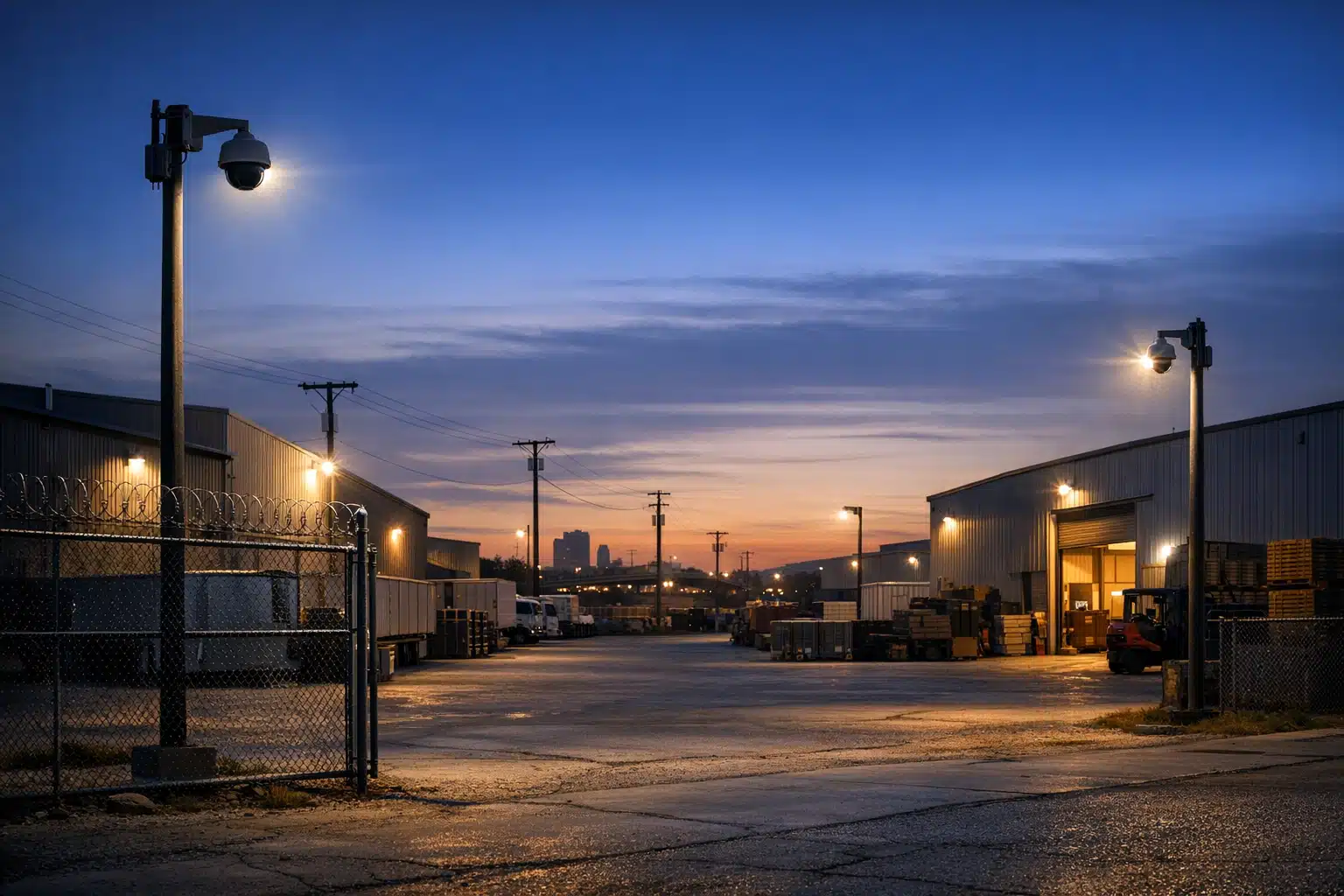
Proactive strategies to prevent trespassing in high-risk areas like Fort Worth's warehouse districts include enhancing surveillance, improving lighting, and implementing access control measures. Additionally, community engagement and regular property inspections can help deter unauthorized entry and address vulnerabilities effectively.
Why Fort Worth’s Industrial Zones Face Higher Trespassing Rates
Fort Worth’s rapid industrial expansion has created specific vulnerability patterns that prevent trespassing efforts must address. The Near Southside’s warehouse districts report 40% more unauthorized entry attempts than the city average.
Oil and gas facilities along the Trinity River corridor face unique challenges. These sites store valuable equipment and materials that attract theft-motivated trespassers.
Construction booms in areas like the West 7th district create temporary high-risk zones. Active job sites with expensive machinery become targets during evening and weekend hours when crews are absent.
Mapping Fort Worth High-Risk Areas for Targeted Protection
Certain Fort Worth neighborhoods require specialized anti-trespassing strategies based on local crime patterns and property types.
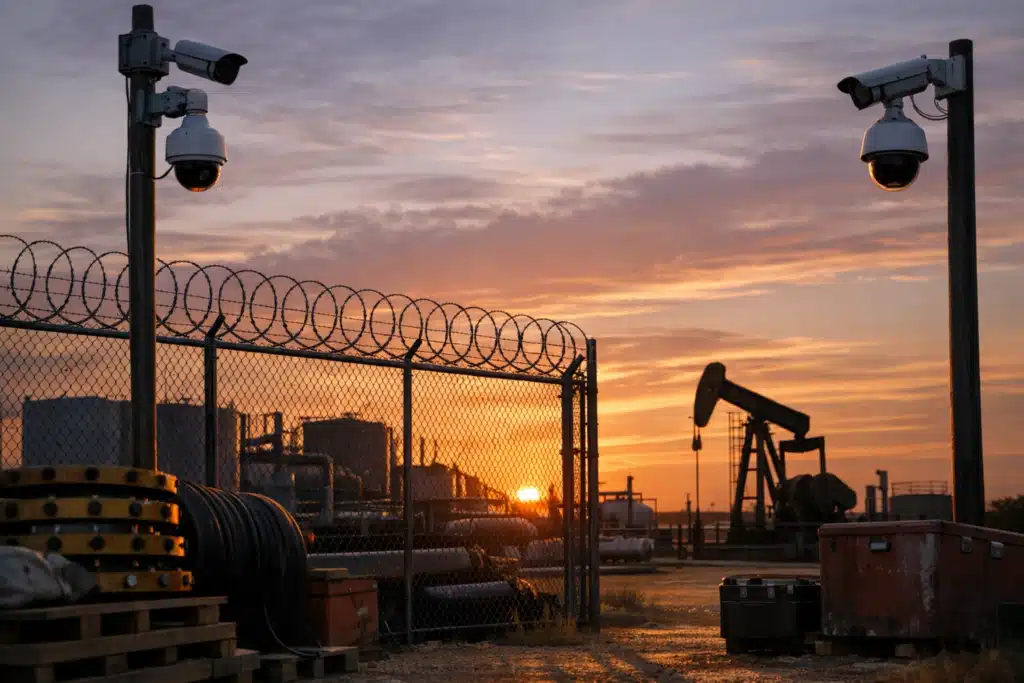
Alliance Area Industrial Corridors
The Alliance area hosts major logistics operations with extensive perimeters. Trespassers often target shipping containers and equipment storage yards.
Remote video surveillance works effectively here because of clear sight lines and minimal vegetation. Motion-activated cameras can cover large areas with fewer blind spots.
Stockyards Entertainment District
The Historic Stockyards face trespassing issues related to event overflow and after-hours exploration attempts. Tourists sometimes wander into restricted areas of venues and adjacent properties.
Security guards stationed at key access points prove more effective than cameras alone in this pedestrian-heavy environment.
Trinity River Bottom Industrial Zone
Properties along the Trinity River deal with transient-related trespassing. Thick vegetation and multiple access routes from the river make perimeter control challenging.
Layered security combining patrol routes with thermal detection cameras addresses these geographic obstacles.
Physical Barriers That Actually Stop Fort Worth Trespassers
Texas weather conditions affect barrier effectiveness throughout the year. Summer heat can warp certain materials while spring storms test structural integrity.
Fencing Solutions for Different Property Types
- Chain-link with privacy slats: Blocks visibility of valuable equipment while maintaining airflow during hot months
- Anti-climb mesh panels: Prevents scaling attempts common at construction sites
- Decorative steel fencing: Provides security for Stockyards-area businesses without compromising historic aesthetics
- Temporary construction barriers: Portable solutions for changing Fort Worth development sites
Gate and Access Control Strategies
Automated gate systems reduce the need for constant guard presence at vehicle entry points. Card readers and remote controls limit access to authorized personnel.
Pedestrian gates with keypad locks work well for smaller Fort Worth businesses. These systems log entry times and can alert managers to after-hours access attempts.
Technology Solutions to Prevent Trespassing in High-Risk Fort Worth Areas
Modern surveillance technology adapts to Fort Worth’s specific environmental challenges and crime patterns.
Remote Video Monitoring Capabilities
Professional monitoring centers can watch multiple Fort Worth properties simultaneously. Trained operators distinguish between normal activity and potential security threats.
Two-way audio systems allow remote operators to issue verbal warnings to trespassers. This immediate response often prevents minor incidents from escalating.
Motion Detection and Analytics
Smart cameras use artificial intelligence to recognize human movement patterns. The system can differentiate between a person climbing a fence and normal environmental motion like swaying trees.
Perimeter analytics trigger alerts when someone crosses virtual boundary lines. Property managers receive immediate notifications via text or email.
Integration with Local Law Enforcement
Fort Worth Police Department response times improve when security companies provide clear incident documentation. Video evidence helps officers understand situations before arrival.
Some monitoring services maintain direct communication channels with local precincts for faster emergency response coordination.
Security Guard Strategies for Fort Worth’s Unique Trespassing Challenges
Different Fort Worth areas require specific guard deployment approaches based on local threat patterns and property layouts.
Mobile Patrol vs. Static Guard Positioning
Large industrial sites benefit from mobile patrols that cover extensive perimeters. Guards in vehicles can respond quickly to multiple detection points across sprawling properties.
Static guards work better for facilities with single entry points or high-value concentrated assets. The visible presence deters casual trespassers and provides immediate response capability.
Shift Timing Based on Local Crime Patterns
Fort Worth police data shows trespassing incidents peak between 10 PM and 3 AM on weekends. Guard schedules should align with these high-risk periods.
Construction sites face increased weekend risks when regular workers are absent. Friday evening through Monday morning coverage addresses this vulnerability window.

 Posted on Google
Legal Considerations for Trespassing Prevention in Texas
Texas property protection laws provide specific rights to business owners while requiring proper signage and documentation procedures.
Signage Requirements and Placement
Texas Penal Code requires “No Trespassing” signs posted at reasonable intervals along property boundaries. Signs must be visible and legible from normal approach routes.
Bilingual signage helps in Fort Worth’s diverse neighborhoods where English may not be the primary language. Spanish translations improve legal enforceability.
Documentation for Law Enforcement
Security companies must maintain detailed incident reports for trespassing events. Time stamps, descriptions, and photo evidence support prosecution efforts.
Video retention policies should align with local court schedules. Cases often take months to process through the Tarrant County system.
Cost-Effective Prevention Strategies for Different Budget Levels
Fort Worth businesses can implement trespassing prevention measures scaled to their specific budget constraints and risk levels.
Basic Protection for Small Businesses
- Install motion-activated lighting at all entry points and dark corners
- Place security cameras at main entrances with visible deterrent signage
- Establish relationships with neighboring businesses for mutual monitoring
- Schedule irregular after-hours checks by management staff
Enhanced Security for Medium-Sized Properties
Professional monitoring services provide 24/7 coverage without the full cost of on-site guards. Remote operators can assess threats and dispatch security or police as needed.
Perimeter sensors combined with strategic lighting create detection zones that alert to trespassing attempts before intruders reach valuable assets.
Comprehensive Protection for High-Risk Facilities
Large facilities require integrated security systems combining multiple technologies. Video analytics, access control, and guard services work together for complete coverage.
Command center integration allows security managers to coordinate responses across multiple Fort Worth locations from a central monitoring station.
Measuring Success: Key Metrics for Trespassing Prevention
Effective security programs track specific measurements to demonstrate value and identify improvement opportunities.
Incident Reduction Statistics
Monthly trespassing incident counts provide clear baseline measurements. Compare pre-security and post-implementation numbers to show program effectiveness.
Response time metrics track how quickly security personnel or law enforcement arrive after detection. Faster responses typically result in better outcomes.
Cost-Benefit Analysis
Calculate prevention costs against potential loss values from theft, vandalism, or liability issues. Most Fort Worth businesses see positive returns within the first year.
Insurance premium reductions often offset significant portions of security system costs. Many carriers offer discounts for professionally monitored properties.
Seasonal Adjustments for Year-Round Fort Worth Security
North Texas weather patterns create changing security challenges that require adaptive strategies throughout the year.
Summer Heat Considerations
Extreme temperatures affect both equipment performance and guard effectiveness. Cameras may require additional cooling protection during July and August.
Security guards need adequate hydration and cooling break areas during outdoor patrols in 100-degree weather.
Spring Storm Preparedness
Severe weather can disable security systems when protection is most needed. Backup power systems keep monitoring operational during outages.
Storm debris may create new access routes through damaged fencing. Post-storm security assessments identify and address these vulnerabilities quickly.
Fort Worth’s diverse business landscape requires customized trespassing prevention strategies that address local crime patterns and environmental challenges. Successful programs combine appropriate technology, strategic guard deployment, and legal compliance to create effective deterrent systems.
Twin City Security Fort Worth designs comprehensive security solutions tailored to your specific Fort Worth location and risk profile. Contact our team at 817-922-9774 for a detailed property assessment and customized prevention strategy.
Sources
- FBI Uniform Crime Reporting Program – Property Crime Statistics
- Texas Legislature – Penal Code Chapter 30: Criminal Trespass
- City of Fort Worth – Police Department Crime Prevention Resources
Fort Worth's industrial zones face significant trespassing challenges due to rapid expansion and unique vulnerabilities. The company offers tailored strategies to enhance security and reduce unauthorized access in high-risk areas.
- The Near Southside warehouse districts report 40% more unauthorized entry attempts than the city average. Specialized strategies are necessary for different neighborhoods based on local crime patterns.
- Effective security measures include remote video surveillance, motion-activated cameras, and physical barriers like chain-link fencing with privacy slats.
- Businesses can implement cost-effective prevention measures such as motion-activated lighting and professional monitoring services for enhanced security.