
How to Optimize Security for Fort Worth’s High-Rise Buildings
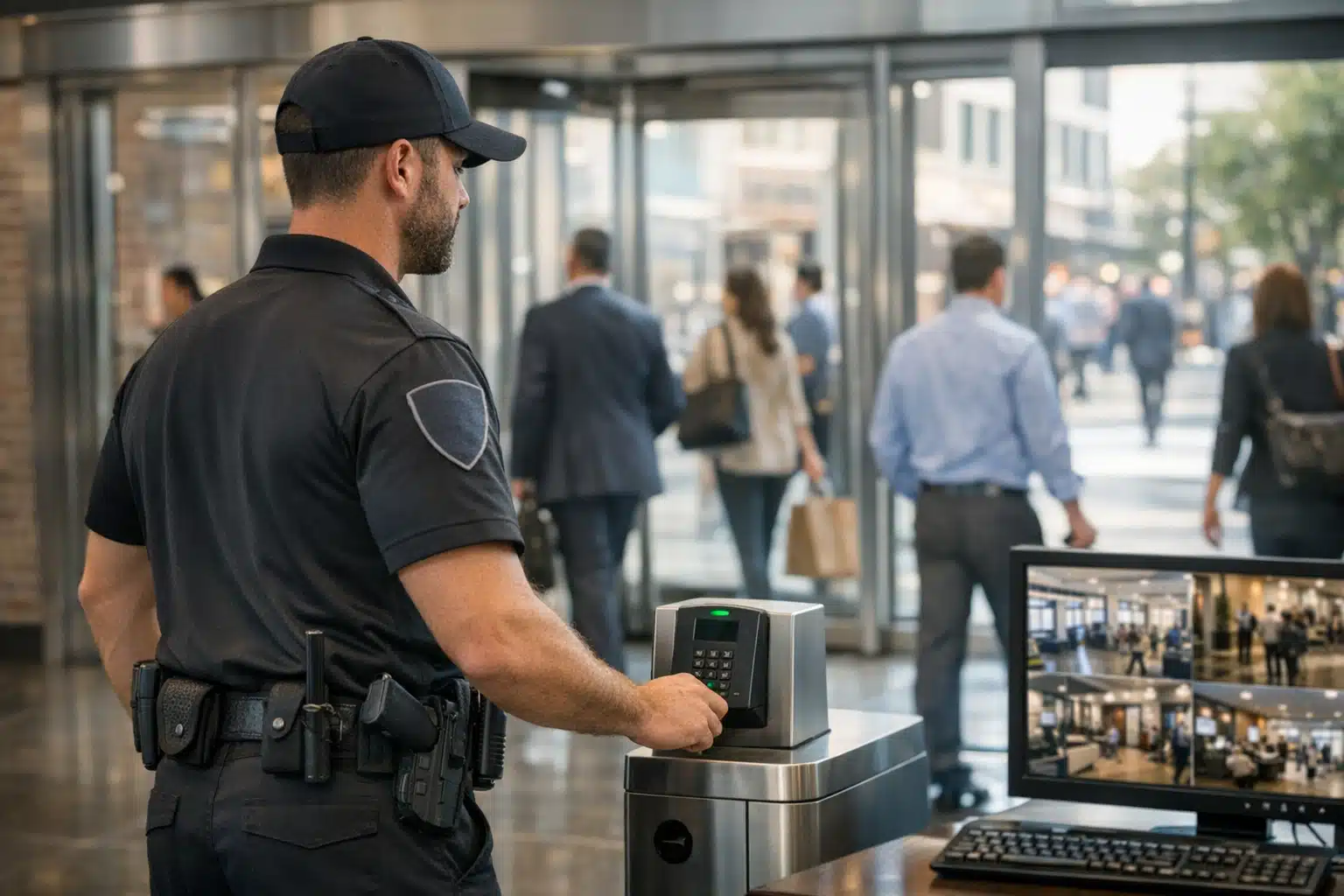
To optimize security for high-rise buildings in Fort Worth, implement a multi-layered approach that includes advanced surveillance systems, access control measures, and regular security assessments. Additionally, training staff on emergency protocols and fostering communication with local law enforcement can enhance overall safety and response effectiveness.
Why High-Rise Security Differs From Ground-Level Protection
Fort Worth’s downtown skyline keeps growing, with towers along Main Street and Sundance Square housing offices, condos, and hotels. Securing these buildings demands more than a lobby desk and a camera.
High-rise security deals with problems that low buildings never face. Vertical movement, stairwell blind spots, and rooftop access create risks that spread across dozens of floors.
This post breaks down the specific threats tall Fort Worth buildings face. It covers access control, elevator management, weather planning, and how remote monitoring fills the gaps.
The Vertical Challenge: What Makes High-Rise Security Hard
Tall buildings stack hundreds of people into one footprint. A single unlocked stairwell door can compromise 20 floors at once.
Response time also stretches in tall structures. A guard on the ground floor may need four minutes to reach the 18th floor during an incident.
Common Weak Points in Fort Worth Towers
- Parking garage entries that feed directly into elevator banks
- Fire stairwells that lack cameras or re-entry control
- Loading docks used for after-hours package theft
- Rooftop hatches reachable from adjacent buildings or fire escapes
- Shared lobbies in mixed-use towers with retail and residential floors
Each weak point needs a different fix. Treating a 25-story tower like a strip mall leaves large gaps.
Step-by-Step: How to Optimize High-Rise Security in Fort Worth
To protect a Fort Worth high-rise, follow these steps in order:
- Map every vertical entry point. List elevators, stairwells, freight lifts, and rooftop access.
- Set access tiers by floor. Restrict residential and executive floors with keycard or biometric locks.
- Place a guard at the true choke point. Usually the ground lobby plus the parking garage feed.
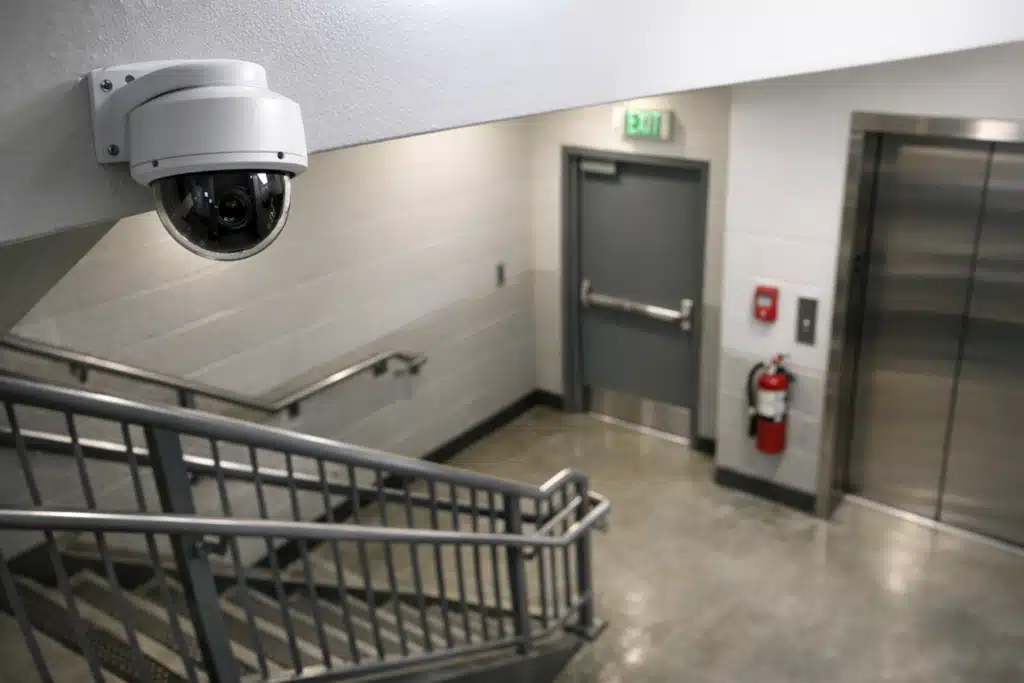
- Add cameras to every stairwell landing. Blind stairwells invite loitering and theft.
- Link elevators to access credentials. Riders reach only floors their badge permits.
- Monitor rooftops remotely. Motion-triggered cameras catch trespassers before they descend.
- Run scheduled vertical patrols. Guards sweep floors on a randomized timetable.
This sequence closes the gaps in the order attackers usually test them. Ground access first, then vertical movement, then isolated floors.
Elevator and Stairwell Control for Tall Buildings
Elevators are the fastest route for an intruder to reach upper floors. Destination dispatch systems solve part of this problem.
A tenant swipes a badge in the lobby, and the system assigns a car to their floor only. Visitors without credentials never reach residential levels.
Stairwells Need Cameras and Re-Entry Rules
Fire codes require stairwells to stay unlocked from inside for exit. That rule creates a hiding spot for anyone already in the building.
Install cameras at every third landing. Pair them with re-entry doors that lock from the stairwell side but release during alarms.
Randomized guard sweeps discourage people from camping in stairwells. Predictable patrol times let bad actors plan around them.
Protecting Fort Worth High-Rises During North Texas Storms
North Texas storm season runs March through June. High winds, hail, and tornado warnings force building-wide safety calls.
Tall buildings sway in high wind and lose power in ways short buildings do not. Elevators shut down, stranding tenants on upper floors.
Storm Protocols Every Fort Worth Tower Needs
- Backup camera power so monitoring continues during outages
- Stairwell staging plans for tenants who cannot use elevators
- Interior shelter floors away from glass curtain walls
- Two-way radios for guards when cell networks overload
During a tornado warning, guards move tenants to interior hallways below the top floors. Glass-heavy corner offices become dangerous first.
Fort Worth’s summer heat adds a second season of risk. Rooftop equipment overheats, and camera housings need ventilation rated for 105-degree days.
Remote Video Surveillance for High-Rise Coverage
One guard cannot watch 30 floors at once. Remote video monitoring extends a single team across the entire structure.
Cameras feed to a monitoring center where trained operators watch multiple zones. Motion in a locked stairwell at 2 a.m. triggers an instant review.
Where Remote Monitoring Beats On-Site Guards Alone
Remote surveillance covers spots guards cannot stand for hours. Rooftops, loading docks, and empty parking levels stay watched around the clock.
The strongest setup pairs both. A lobby guard handles face-to-face control, and remote operators track the vertical zones behind them.
Verified alarm response also cuts false police calls. Operators confirm a real threat on camera before dispatching, which speeds actual emergencies.

 Posted on Google
Access Control for Mixed-Use Fort Worth Towers
Many Fort Worth high-rises mix retail, office, and residential floors. Each group needs different access rules under one roof.
Retail visitors should never reach residential elevators. Office guests need day passes that expire after business hours.
Credential Tiers That Work
- Public tier: lobby and retail floors only
- Tenant tier: assigned office or residential floor
- Staff tier: mechanical rooms, roof, and loading dock
- Emergency tier: full access for fire and building management
Review credential logs weekly. Terminated employees and moved-out tenants keep active badges more than most managers expect.
What High-Rise Security Costs in Fort Worth
Pricing depends on floor count, entry points, and hours of coverage. A 20-story downtown tower needs more than a 6-story Near Southside building.
Most Fort Worth high-rise plans combine three cost pieces:
- On-site guard hours for lobby and patrol coverage
- Camera and monitoring fees based on the number of zones watched
- Access system setup for elevators and stairwell doors
A walk-through assessment gives an accurate number. Guessing from square footage alone misses the vertical risks that drive real cost.
Fort Worth Neighborhoods With Growing High-Rise Needs
Downtown and Sundance Square hold the tallest office towers. West 7th mixes apartment high-rises with nightlife foot traffic.
The Near Southside sees new mid-rise residential projects near the medical district. Each area brings its own crowd patterns and risk hours.
West 7th buildings face late-night pedestrian volume. Downtown towers face weekday theft and after-hours emptiness. Matching guard schedules to these patterns saves money and closes gaps.
Final Takeaways for Fort Worth Building Managers
High-rise protection lives in the vertical zones: elevators, stairwells, and rooftops. Ground-level thinking leaves tall buildings exposed on their most vulnerable floors.
Pair on-site guards with remote monitoring, tier your access credentials, and plan for North Texas storms before they hit. That combination covers a tower from lobby to roof.
Twin City Security Fort Worth builds high-rise plans matched to your building’s height, tenant mix, and neighborhood. Call or text 817‑922‑9774, email fortworth@twincitysecurity.com, or visit https://www.twincitysecurityfortworth.com for a Fort Worth security assessment.
Sources
- NFPA – NFPA 101 Life Safety Code
- National Weather Service – Fort Worth/Dallas Forecast Office
- Fort Worth Police Department – Official Site
- Texas DPS – Private Security Program
Securing high-rise buildings in Fort Worth requires specialized strategies due to unique challenges such as vertical movement and stairwell blind spots. Effective security measures include access control, elevator management, and remote monitoring to address these specific threats.
- High-rise buildings face unique security challenges that ground-level structures do not. Vertical movement and stairwell access can create vulnerabilities across multiple floors.
- Effective security includes mapping entry points, restricting access with keycards, and installing cameras in stairwells. Randomized guard patrols help deter potential threats.
- Remote video monitoring complements on-site guards by covering areas that are difficult to supervise continuously, enhancing overall security coverage.