
How to Assess and Address Security Risks for Fort Worth’s Business Districts
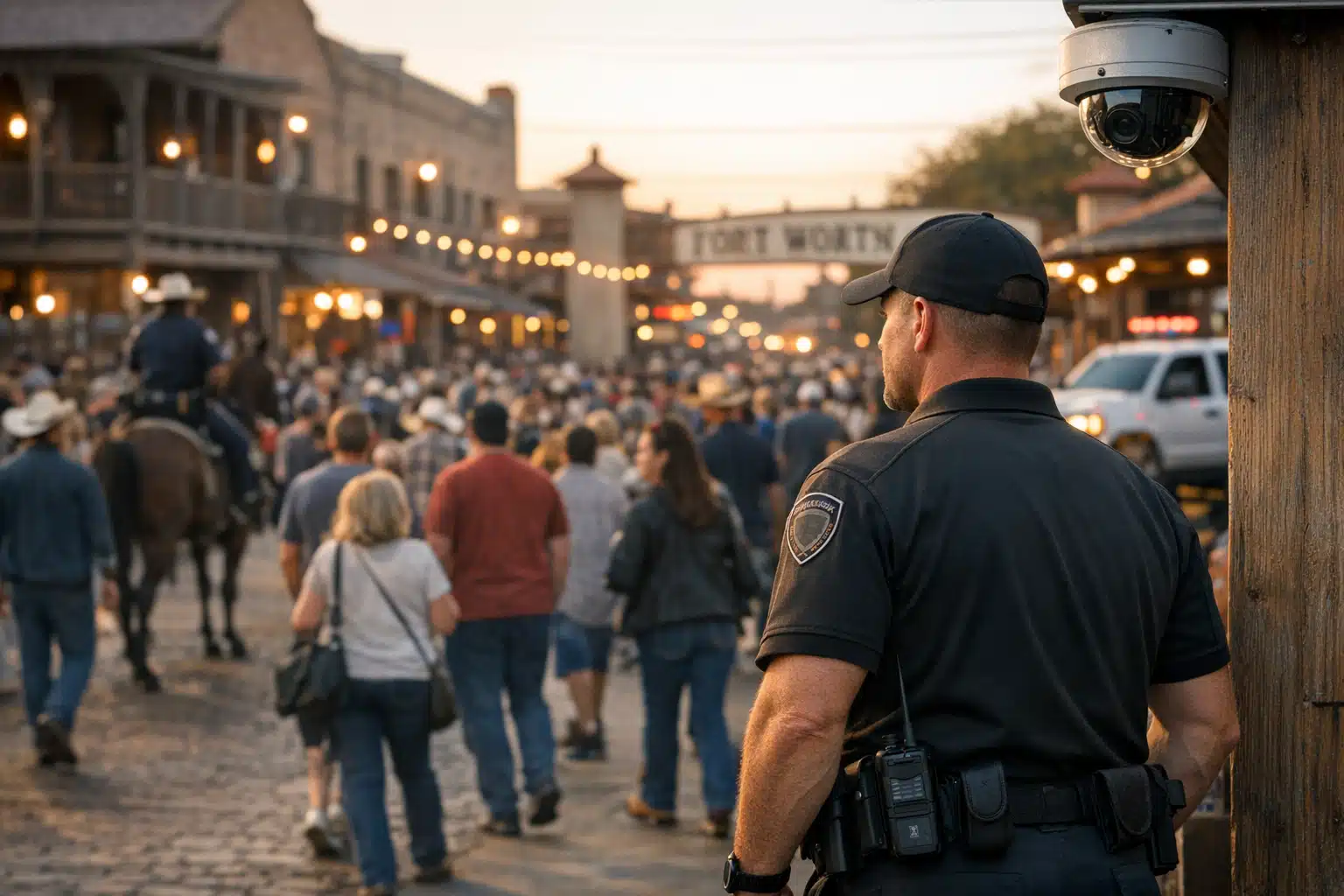
To assess security risks in Fort Worth's business districts, analyze factors such as crime rates, foot traffic patterns, and local economic conditions. Engage with community stakeholders and law enforcement to identify vulnerabilities. Regularly review security measures and adapt strategies to address emerging threats, ensuring a safe environment for residents and visitors.
Why Business District Security Matters in Fort Worth
Fort Worth added more than 19,000 residents in a single year, one of the fastest growth rates among large U.S. cities. That growth pulls foot traffic, cash flow, and property value into districts like the Stockyards and West 7th.
It pulls risk along with it. Strong business district security starts with knowing exactly what threatens your specific location, block, and building.
This post walks Fort Worth owners and property managers through a practical risk assessment. You will learn what to check, which local factors matter, and how to close the gaps.
Step One: Map Your Fort Worth Location’s Real Risks
A risk assessment begins with your address, not a generic checklist. A Stockyards saloon faces different threats than an oil field office off I-35W.
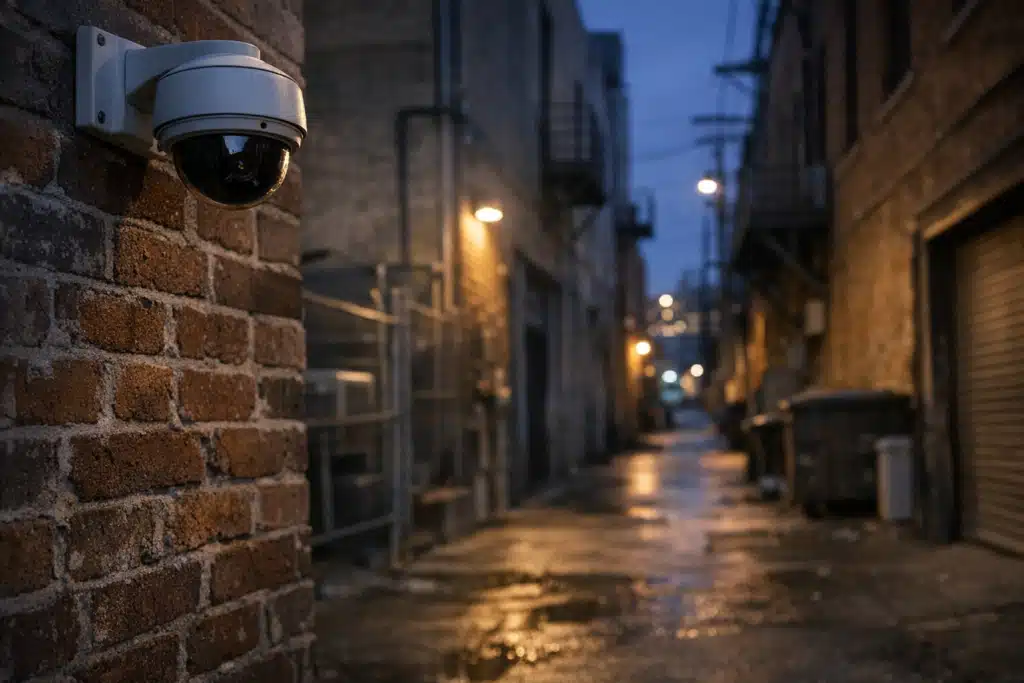
Start by pulling crime data for your beat from the Fort Worth Police Department’s public crime map. Look at the past 12 months within a quarter-mile radius.
What to Track in Your Data Review
- Property crime patterns — burglary, vehicle break-ins, and vandalism by day and hour
- Repeat locations — nearby lots or alleys that draw incidents
- Event-driven spikes — crime tied to rodeo weekends or concert nights
- Seasonal shifts — summer heat and holiday retail surges change patterns
Write down the top three threats your data reveals. Everything else in your plan answers those three.
Assessing Stockyards and Event District Foot Traffic
The Fort Worth Stockyards draws millions of visitors a year. Crowd density creates its own risk profile separate from crime rates.
Large crowds hide pickpockets, mask altercations, and slow emergency response. A venue near Exchange Avenue needs crowd flow planning, not just cameras.
Stockyards Event Security Requires Four Things
- Defined entry and exit points to control and count attendees
- Trained guards for crowd management who de-escalate before conflicts grow
- Clear sightlines across patios, alleys, and parking areas
- A radio-linked response plan tied to Fort Worth PD dispatch
Rodeo weekends and Friday night concerts multiply your headcount fast. Staff your peak hours, not your average ones.
Protecting Fort Worth Construction Sites and Oil & Gas Facilities
Construction theft costs U.S. contractors an estimated $1 billion or more each year. Copper, catalytic converters, and heavy equipment top the target list across North Texas job sites.
Barnett Shale operations add another layer. Remote pad sites and tank batteries sit far from patrol routes and easy view.
Perimeter Steps for Job Sites and Pad Sites
- Remote video surveillance with motion alerts covering entry gates and material lay-down yards
- Lighting audits to remove dark corners around fuel and equipment
- Access logs tracking every vehicle and subcontractor on site
- After-hours monitoring when theft risk peaks between midnight and 5 a.m.
Remote monitoring covers ground that on-site guards cannot reach at once. A single monitoring center can watch multiple pad sites at the same time.
How North Texas Weather Shapes Your Security Plan
Fort Worth sits in the heart of tornado alley. Spring storms, hail, and straight-line winds hit hardest from March through June.
Weather affects security two ways. Storms damage cameras and fences, and evacuations leave sites empty and exposed.
Weather-Ready Security Checklist
- Battery-backed cameras that keep recording during outages
- Weather-rated equipment housings that survive Texas hail
- Post-storm inspection routines to catch damaged fencing fast
- Summer heat protocols so guards stay safe in 100-degree conditions
July and August routinely push past 100 degrees in Fort Worth. Outdoor guard shifts need shade, hydration, and rotation built into the schedule.

 Posted on Google
Comparing On-Site Guards and Remote Video Surveillance
Both methods work. The right mix depends on your district, budget, and threat data.
When On-Site Guards Fit Best
Choose guards when human judgment matters most. Stockyards venues, apartment communities, and event spaces need people who greet, deter, and respond in person.
When Remote Surveillance Fits Best
Choose remote monitoring for wide, low-traffic areas. Construction yards, oil & gas pad sites, and storage lots benefit from cameras watching every corner at once.
Many Fort Worth properties use both. A guard covers the lobby at a West 7th building; cameras watch the parking garage.
Building Your Fort Worth Security Action Plan
Turn your findings into a written plan. A plan without dates and owners rarely holds up.
- List your top three threats from the crime and site review
- Match each threat to a control — guard, camera, lighting, or access change
- Assign a budget and timeline to each fix
- Set a review date every quarter or after major incidents
- Test your response plan with a drill before peak season
Review the plan after every Stockyards event weekend and every spring storm season. Threats in Fort Worth shift with the calendar.
Common Gaps We Find During Fort Worth Assessments
Certain weak spots repeat across Fort Worth districts. Fixing them early saves money and prevents loss.
- Blind spots in parking areas near Near Southside businesses
- Unlocked side gates at Arlington Heights job sites
- Old cameras with resolution too low to identify faces or plates
- No after-hours coverage during the exact hours theft happens
A short walkthrough finds most of these in under an hour. The fixes are usually faster and cheaper than owners expect.
Conclusion
Strong business district security in Fort Worth rests on a location-specific risk assessment, the right mix of guards and cameras, and a plan that adjusts for crowds and weather. Start with your crime data, map your top three threats, and match each one to a control you can measure.
Twin City Security Fort Worth builds site assessments and monitoring plans around your district, from the Stockyards to the Barnett Shale. Call or text 817‑922‑9774, email fortworth@twincitysecurity.com, or visit https://www.twincitysecurityfortworth.com for a quote.
Sources
- U.S. Census Bureau – City and Town Population Estimates
- Fort Worth Police Department – Crime Data and Reporting
- National Insurance Crime Bureau – Equipment Theft Reports
- National Weather Service – Fort Worth/Dallas Forecast Office
Fort Worth's rapid growth brings increased foot traffic and security risks to its business districts. This guide helps property owners and managers conduct a risk assessment tailored to their specific locations.
- Assessing security starts with understanding local crime data specific to your area. Property crime patterns and event-driven spikes are key factors to consider.
- Crowd management is essential in busy areas like the Stockyards, requiring trained personnel and clear entry and exit points.
- Weather impacts security planning, necessitating weather-ready equipment and protocols to protect against storms and extreme heat.