
Fort Worth Fire Watch Requirements Explained: When a Fire Watch Guard Is Legally Required
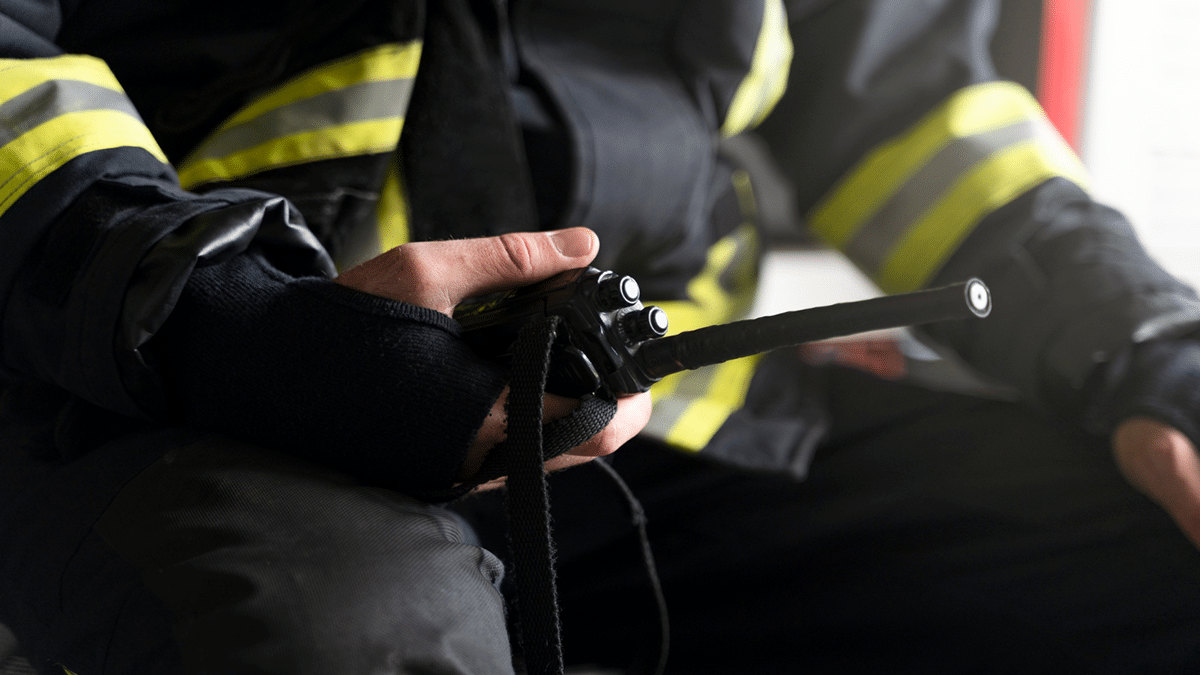
In Fort Worth, fire watch requirements mandate that property owners must employ trained fire watch guards when fire protection systems like sprinklers or alarms are non-operational. Owners must notify the Fort Worth Fire Department within 60 minutes and ensure continuous patrols by fire watch personnel until the systems are restored.
Fort Worth fire code places clear responsibility on property owners to protect occupants and assets when fire protection systems are not fully operational. Fire watch guards become mandatory whenever critical life-safety equipment, such as sprinklers, fire alarms, or smoke detection systems, fail or are taken offline for repairs. In these situations, owners must notify the Fort Worth Fire Department within 60 minutes and deploy trained fire watch personnel who conduct continuous patrols, typically at least once every hour, until all systems are restored and certified.
Fire watch requirements also apply during high-risk activities known as hot work, including welding, torch cutting, and grinding. These operations generate sparks and open flames that significantly increase the chance of ignition, even in otherwise safe environments. Having a dedicated fire watch guard on site ensures immediate detection of smoke or fire and rapid response before a small incident escalates into a major emergency.
The Fort Worth Fire Marshal has the authority to mandate fire watch services after inspections reveal hazardous conditions. These orders remain active until every cited issue is corrected, making compliance essential to keep a building operational. Construction sites often fall under these rules because temporary wiring, exposed materials, and incomplete fire systems create elevated risks. Large public gatherings, especially events with more than 300 people, also require fire watch coverage if alarm systems are impaired, as do healthcare facilities where patient mobility and safety concerns demand constant fire monitoring. Industrial and manufacturing plants face similar obligations when handling flammable liquids, combustible dust, or explosive materials during any fire system downtime.
Fire watch guards carry significant responsibilities during each patrol. They continuously scan all accessible areas for signs of smoke, fire, or unsafe conditions, confirm that exit routes remain clear and unlocked, check emergency lighting, and maintain detailed patrol logs with accurate time stamps. Direct communication with the fire department is critical, as is the ability to use portable fire extinguishers and guide occupants through evacuation procedures if necessary.
Fort Worth expects fire watch personnel to be properly trained, familiar with the building layout, and capable of calm, decisive action during emergencies. Guards must remain alert throughout their shifts, carry proper identification, and maintain accurate documentation. Failure to provide required fire watch services can lead to serious consequences, including code violations, fines, stop-work orders, and even building closures. Insurance providers may also deny fire-related claims if an incident occurs while a required fire watch was not in place, making compliance not only a legal obligation but a critical risk management measure for property owners.
System Impairments and Required Fire Protection Coverage
When fire protection systems fail, malfunction, or require maintenance, Fort Worth property owners must implement immediate backup safety measures to protect building occupants. The Fort Worth Fire Department enforces strict fire watch requirements to ensure that people remain safe whenever alarms, sprinkler systems, standpipes, or suppression equipment are impaired. These compensatory actions are mandated under the International Fire Code and are essential for reducing the risk of fire-related injuries and property damage.
Property owners must notify the Fort Worth Fire Department within one hour of discovering any fire system failure. Trained personnel must conduct continuous hourly patrols throughout the affected areas until repairs restore full system functionality. During these patrols, fire watch staff monitor for smoke, flames, or other hazards, alert occupants if necessary, and maintain constant readiness to call 911. The process ensures that even when automated systems are offline, human oversight provides immediate detection and response.
If a fire alarm system remains non-operational for more than four hours, building owners must assign personnel trained specifically to recognize fire risks and follow proper emergency protocols. Fire watch documentation is a critical component of compliance. Records must include hourly patrol logs, the current status of impaired equipment, and scheduled repair timelines. Property managers submit this documentation to the Fire Marshal’s office to verify adherence to code and demonstrate that all safety responsibilities are met.
Fort Worth fire watch requirements emphasize both proactive monitoring and accountability. Compensatory measures like these protect residents, employees, and visitors while maintaining legal compliance. By combining trained personnel, routine patrols, and thorough documentation, building owners ensure that impaired fire protection systems do not compromise safety or expose the property to fines, liability, or operational shutdown.
Construction and Temporary Safety Measures
Fire watch security guards play a critical role in protecting construction sites and other high-risk properties in Fort Worth. When fire safety equipment malfunctions or certain operations create elevated fire risks, fire watch security services become essential to comply with fire safety regulations and local fire codes. These trained professionals ensure that hazards are monitored continuously, providing immediate response if smoke, sparks, or flames are detected.
Hot work operations, including welding, cutting, or grinding, generate sparks and heat that can ignite nearby materials. Fire watch guards must remain on site for the duration of these operations and continue monitoring for at least thirty minutes after work stops to ensure no latent fires develop. Their presence guarantees that any signs of smoke or fire are identified quickly, and emergency protocols are initiated without delay.
Construction sites also require fire watch coverage when sprinkler systems are impaired, fire alarm networks lose power, or exit routes are blocked or inaccessible. Temporary structures exceeding certain size thresholds must be monitored, and the Fort Worth Fire Marshal can mandate extended fire watch periods for sites handling flammable liquids, combustible dust, or other elevated-risk materials.
Trained fire watch security guards are certified to recognize fire hazards, operate fire safety equipment, and coordinate with local fire departments in emergencies. By providing continuous oversight, these services protect workers, residents, and neighboring properties while ensuring compliance with all fire codes and safety regulations. Their presence transforms fire prevention from a passive system into an active, responsive safeguard that reduces the risk of construction-related fire incidents.
Conditions Set by Fire Code Officials
Fire code officials in Fort Worth have the authority to require fire watch services that go beyond standard fire code regulations, tailoring safety measures to the unique risks of each property. The fire marshal evaluates specific factors to determine what additional protections are necessary, ensuring that buildings remain safe for occupants, workers, and the surrounding community.
Key considerations include the building’s occupancy type, such as schools, hospitals, warehouses, apartment complexes, or office spaces, as each presents different fire risks. The physical size of the structure, including square footage and number of floors, affects how quickly a fire could spread and how many personnel are needed for monitoring. Fire protection equipment already in place, including sprinkler systems, alarm networks, and suppression technology, is assessed for functionality and coverage. Officials also examine hazards like flammable materials, chemical storage, welding operations, and other high-risk activities.
When standard safety measures are insufficient, Fort Worth fire officials can require enhanced fire watch protocols. These may include longer patrol periods, more frequent inspections, additional trained personnel, and detailed documentation of each observation. Fire watch guards must maintain accurate records to demonstrate that every part of the building has been monitored and that potential hazards are addressed promptly.
Property owners, managers, and construction contractors are legally obligated to comply with the fire marshal’s directives immediately. Written orders from the fire marshal carry the same authority as the fire code itself. Noncompliance can result in citations added to property records, financial penalties that accrue daily, stop-work orders halting construction or business operations, and even mandatory facility closures until all safety deficiencies are corrected. These enforcement measures exist to safeguard building occupants, emergency responders, and nearby properties from fire-related incidents while ensuring that Fort Worth properties maintain the highest standards of fire safety.
Ongoing Monitoring Until Full Restoration
Fire watch teams in Fort Worth are required to remain on duty from the moment fire safety equipment—such as sprinklers, alarms, or suppression systems—fails until certified technicians restore and verify full functionality. These trained guards continuously monitor the building for fire hazards, blocked exits, or unsafe conditions for as long as repairs take, whether that is hours, days, or even weeks. Their presence ensures that potential fires are detected immediately and emergency protocols can be enacted without delay.
Every patrol, safety observation, and system check must be documented in detail. Digital records play a critical role in maintaining accountability, including time stamps for each hourly round, reports of hazards or obstructions, communications with local fire departments and repair personnel, and signed confirmation forms from technicians verifying that all systems passed testing. These records provide proof that fire watch duties were properly executed and that every risk was actively managed during system outages.
The Fort Worth Fire Marshal is the sole authority to end fire watch coverage. Only after inspecting repaired equipment and confirming that alarms, sprinklers, and suppression systems function as intended can the fire watch be officially lifted. Stopping fire watch duties prematurely violates local fire codes and exposes property owners and managers to legal penalties and liability if an incident occurs during an unmonitored period.
Fire watch obligations protect lives and property during times when automatic detection and suppression systems are offline. Insurance companies also review fire watch documentation when handling claims related to incidents occurring during system outages. Proper execution of fire watch services demonstrates reasonable care, compliance with fire safety regulations, and adherence to Fort Worth commercial property standards, ensuring both resident safety and legal protection for property owners.
Areas that Need Fire Watch Guard
Fort Worth fire code requires commercial buildings to maintain fire watch guards whenever fire protection systems fail, ensuring safety is never compromised. These rules apply differently depending on the type of building and the level of fire risk. Facilities that store flammable liquids, gases, or explosive materials must deploy trained fire watch guards immediately if sprinklers or alarms stop functioning. Warehouses handling paints, chemicals, or fuels face heightened fire hazards that make continuous monitoring essential.
Large venues hosting more than 300 people also require fire watch coverage when alarm systems are impaired. Concert halls, theaters, convention centers, sports arenas, and sizable restaurants must have guards on site to manage emergency evacuation and monitor for potential fires. Medical facilities, including hospitals, nursing homes, and assisted living centers, face even greater risks because patients often cannot move independently. Fire watch personnel provide constant oversight during sprinkler repairs or system upgrades, protecting vulnerable occupants from injury.
Construction and renovation sites present unique dangers when hot work like welding, cutting, or grinding occurs. Fire watch guards must remain on duty throughout these activities and for at least thirty minutes after work stops, safeguarding workers and nearby structures from sparks or accidental flames. Multi-story buildings undergoing interior updates, such as apartment complexes, office towers, or mixed-use developments, also need continuous fire watch coverage when detection systems are offline.
Manufacturing plants that handle combustible dust or reactive chemicals require specialized monitoring to prevent ignition of hazardous materials. Similarly, large retail spaces, including shopping centers, department stores, and big-box stores, must maintain fire watch services whenever smoke detectors or fire alarm panels malfunction, as their size and high traffic create unique evacuation challenges. In all these cases, trained fire watch guards provide immediate threat detection, oversee emergency procedures, and ensure compliance with Fort Worth fire safety regulations, protecting both people and property from potentially devastating incidents.
Fort Worth fire code mandates that property owners implement fire watch services when fire protection systems are non-operational. This includes notifying the fire department and deploying trained personnel to monitor the premises continuously until repairs are completed.
- Property owners must notify the Fort Worth Fire Department within 60 minutes of a fire system failure. They are responsible for deploying trained fire watch personnel to conduct hourly patrols until systems are restored.
- Fire watch guards are essential during high-risk activities like welding and must remain on site to monitor for smoke or fire for at least 30 minutes after work stops.
- Noncompliance with fire watch requirements can lead to fines, stop-work orders, and potential insurance claim denials, emphasizing the importance of legal adherence and safety.