
How Professional Security Guards Improve Safety at Fort Worth Office Complexes
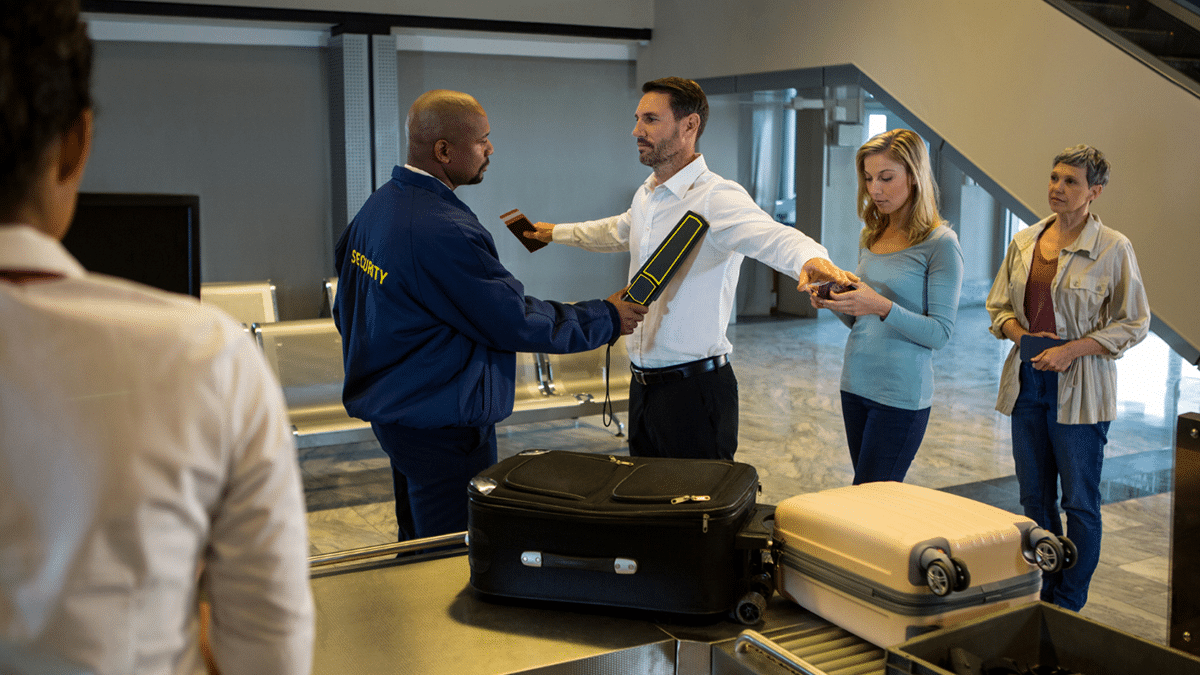
Professional security guards enhance safety at Fort Worth office complexes by preventing crime, managing access to buildings, and responding to emergencies. They check identification badges, monitor entrance doors, and conduct regular patrols to deter unauthorized individuals from entering, ensuring a secure environment for employees and visitors.
Security guards make Fort Worth office complexes safer by preventing crime, controlling who enters buildings, and responding when emergencies happen. These trained professionals check identification badges, watch entrance doors, and walk through buildings on scheduled rounds to stop people who don’t belong there from getting inside.
Guards watch security cameras, identify potential dangers, and follow emergency plans during fires, medical crises, or security breaches. They write reports about incidents, suspicious behavior, and safety concerns. Guards stand in high-risk locations, including main lobbies, parking structures, loading docks, and areas with sensitive information. This multi-layer approach protects employees, business visitors, company equipment, confidential documents, and physical property.
Professional security personnel use communication devices like two-way radios and mobile phones to coordinate with local police departments and fire stations. They understand building layouts, emergency exit routes, and alarm systems. Guards recognize common security threats such as theft, workplace violence, trespassing, and vandalism. Their training covers conflict resolution, first aid procedures, and crisis management techniques.
The security team maintains visitor logs, issues temporary access passes, and monitors employee badge systems. They inspect packages, check delivery trucks, and secure after-hours entry points. Guards perform lock-up duties, test alarm functions, and verify that all doors and windows close properly. This constant vigilance reduces insurance liability costs and creates a professional environment where people feel protected during work hours.
Establishing a Visible Security Presence to Deter Threats
A uniformed security guard stationed at an office building’s main entrance serves as the first line of defense against potential threats. The visible presence alone discourages criminal activity, often prompting would-be intruders to move on, making deterrence the most immediate benefit of professional security. Regular patrols around the building perimeter reinforce active monitoring, making Fort Worth office properties less appealing targets for theft, vandalism, or unauthorized entry. Guards at entry points can assess risk in real time, identify suspicious behavior, and control access, ensuring only authorized personnel and visitors enter the premises.
The uniform communicates professionalism and signals that the building maintains robust security protocols and functioning surveillance systems. Combining human observation with electronic monitoring equipment strengthens the overall security posture, creating layers of protection that cameras and alarms alone cannot provide. Buildings with trained security personnel report fewer incidents because guards can make immediate judgments, respond to emergencies, and enforce safety measures in ways automated systems cannot.
A guard’s presence sets clear boundaries for behavior, giving employees, tenants, and visitors confidence that the property is actively protected. Their training in conflict resolution, emergency response, and access management equips them to handle situations that technology cannot anticipate or de-escalate. By integrating deterrence, real-time observation, and responsive action, Fort Worth office buildings achieve a comprehensive security strategy that safeguards people, property, and operations effectively.
Managing Access Control and Visitor Monitoring
Security guards serve as essential human gatekeepers for buildings and facilities, providing a layer of protection that technology alone cannot achieve. Their primary responsibility is verifying identities to control who enters the premises. Guards inspect identification cards, driver’s licenses, or employee badges to ensure visitors and staff are authorized. They issue temporary visitor passes when needed and record every entry in logbooks or electronic systems, creating a reliable record of building access.
The visitor management process involves careful verification at multiple stages. Guards confirm appointment schedules and communicate with employees expecting visitors to obtain final approval. Certain guests may require escorts through the building, particularly in high-security areas or sensitive zones. Security officers also monitor all entry points, ensuring people use the doors assigned to their access level. Restricted areas such as server rooms, executive suites, and storage facilities demand special clearance, which guards enforce diligently.
Guards operate a range of electronic security equipment, including card readers, biometric scanners, and surveillance cameras. Unauthorized access attempts trigger alarms, prompting immediate response from security personnel. Tailgating, where someone follows an authorized individual through a secure door without proper credentials, is swiftly addressed. These access control measures work together to protect employees, visitors, property, and sensitive information, making human oversight a critical component of any comprehensive security strategy.
Responding Quickly to Incidents and Emergencies
Security guards serve as the first line of defense during emergencies, providing immediate protection and guidance when critical situations arise. Their training in emergency response allows them to quickly assess threats, make informed decisions, and take decisive action to safeguard lives and property. Professional security personnel coordinate closely with local emergency services, including police, fire departments, and paramedics, while maintaining control over the facility to ensure orderly operations.
During an incident, guards evaluate the level of threat, identifying hazards such as fires, active security breaches, or medical emergencies. They activate emergency notification systems to alert occupants, contact 911 dispatch centers, and implement building safety measures like fire suppression or lockdown procedures. Evacuation coordination is a key responsibility, as guards guide residents, employees, or visitors to safe zones, secure entry and exit points, and account for everyone using roster checks or headcounts.
In addition, guards preserve the scene by documenting the incident through written reports, photographs, and evidence collection. This information supports law enforcement investigations and assists with insurance claims. By following structured emergency protocols, security personnel reduce response times, limit liability for property owners and managers, and help maintain business continuity during natural disasters, fires, workplace violence, or other urgent events. Their presence ensures that emergencies are handled efficiently, safely, and in compliance with established safety standards.
Supporting a Safe, Professional Workplace Environment
Trained security personnel keep Fort Worth workplaces safe through regular patrols, access control, and threat prevention. Guards walk through office buildings, check entry points, and verify employee badges and visitor identification. This system stops unauthorized people from entering while businesses operate normally.
Security teams manage visitor check-in procedures, enforce parking rules, and oversee how people use building facilities. Guards write reports about incidents, keep detailed activity records, and work with building managers to fix safety problems.
Professional security staff watch camera systems, spot dangerous conditions, and report broken equipment or structural issues. Guards create clear safety rules that everyone in the workplace understands and follows. Employees can concentrate on their work while security handles safety risks and emergency situations. This division of responsibility makes office buildings more secure and productive.
Security personnel receive training in conflict resolution, emergency response protocols, and customer service skills. They understand building evacuation plans, fire safety systems, and medical emergency procedures. Guards communicate with local Fort Worth police departments, fire stations, and emergency medical services when situations require additional support.
The visible presence of uniformed security officers discourages theft, vandalism, and workplace violence. Guards perform opening and closing procedures, escort employees to vehicles during late hours, and respond to alarm activations. Their consistent monitoring protects company property, confidential information, and employee welfare throughout business operations.
Areas that Need a Professional Security Guard at Fort Worth Office Complexes
Large Fort Worth office buildings contain multiple areas that are particularly vulnerable to theft, break-ins, and safety incidents. Professional security guards provide essential protection by monitoring these high-risk zones and responding quickly to threats. Entrances and lobby areas serve as the first line of defense, where guards check identification, verify visitor credentials, and control access to the building. Back entrances, loading docks, and service areas require constant vigilance to prevent unauthorized entry, package theft, and equipment loss.
Parking structures and surface lots present additional risks, as isolated spots can attract car break-ins or personal attacks. Security personnel patrol these areas to maintain visibility and deter criminal activity. Inside the building, server rooms and data centers hold sensitive information and expensive technology, making restricted access and continuous monitoring essential. Guards combine regular patrols with video surveillance oversight to detect unusual behavior, respond to alarms, and enforce emergency protocols.
By placing trained security officers at key locations throughout the property, Fort Worth office complexes benefit from multiple layers of protection. These professionals not only enforce access control but also assess potential threats, maintain detailed incident reports, and coordinate with local law enforcement and emergency services when needed. This comprehensive approach to physical security safeguards employees, tenants, visitors, and business assets while addressing the specific vulnerabilities that modern office environments face.
Professional security guards enhance safety in Fort Worth office complexes by preventing crime, managing access, and responding to emergencies. Their presence deters threats and ensures a secure environment for employees and visitors.
- Guards check identification and monitor entrances to control access, preventing unauthorized entry. They patrol high-risk areas and respond to emergencies, ensuring quick action during incidents.
- By maintaining detailed reports and communication with local authorities, security personnel enhance the overall safety strategy. Their training in conflict resolution and emergency response further supports workplace safety.
- The visible presence of uniformed guards discourages criminal activity, creating a professional atmosphere where employees can focus on their work without safety concerns.