
Fort Worth Construction Site Solutions for After-Hours Trespassing
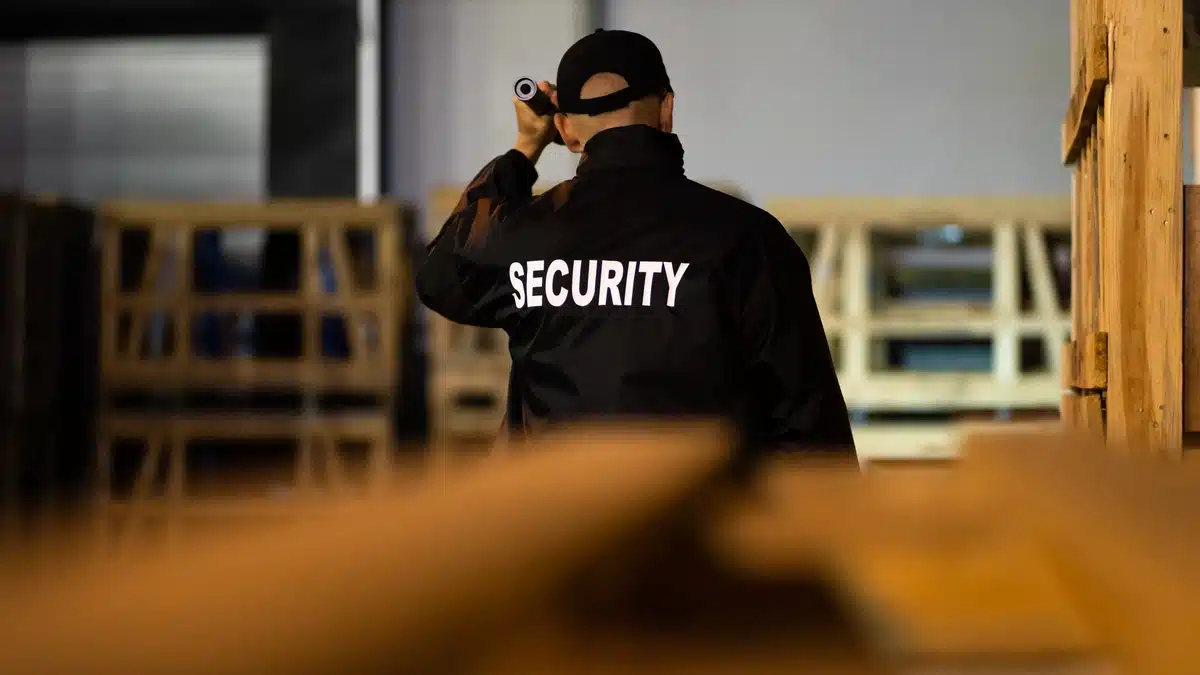
Fort Worth construction sites rely on layered security services to keep properties protected after hours, giving businesses the peace of mind they need as projects move forward. Modern construction site security now combines trained security officers with advanced security solutions that reduce risks, protect valuable equipment, and maintain uninterrupted operations. A professional security company evaluates each site’s layout, vulnerability points, and daily activity levels to deploy the right mix of patrol teams, surveillance technology, and physical barriers.
Strong perimeter protection begins with fencing, locked gates, and lighting systems that remove hiding spots and discourage intruders. Surveillance cameras deliver continuous monitoring and help armed guards or unarmed officers verify movement across open areas, storage yards, and material staging zones. Motion-activated alerts send real-time notifications to response teams, allowing them to act quickly when someone enters restricted sections. This rapid identification process improves the quality of site protection and limits opportunities for theft or vandalism.
Mobile patrol units add unpredictability by rotating through the property at different times each night, while fixed-post officers remain at entrances and high-value equipment areas. Combined with proper training, these methods ensure every security officer understands how to handle suspicious activity, engage trespassers safely, and coordinate with law enforcement when a situation escalates. Construction managers and customers benefit from consistent reporting systems that document every patrol round, alarm response, and unusual observation.
A comprehensive security strategy also covers apartments and nearby structures affected by construction activity. Security officers help maintain community safety, support vendors with controlled access, and protect surrounding businesses from spillover risks. Whether a project requires unarmed officers or armed guards for higher-risk environments, the right security services make the entire area safer.
By combining human expertise with dependable technology, construction firms strengthen job-site protection and maintain a secure environment from the first day of groundwork through project completion.
Securing Perimeters with Barriers, Lighting, and Smart Surveillance
Fort Worth construction sites depend on dependable perimeter protection because large open work zones attract trespassers, thieves, and curious individuals who create safety hazards. A security guard company provides layered protection that prevents unauthorized access and keeps operations running on schedule. Fencing, controlled gates, and access checkpoints form the first line of defense, similar to how a warehouse manages restricted entry after the clock hits closing time. Professional lighting systems remove blind spots around equipment yards, storage areas, and perimeter routes so cameras can capture clear footage throughout the night.
Surveillance technology works best when paired with professional security guards who understand high-risk work environments. Unarmed security guards monitor entrances during active construction hours, verify contractor identification, and watch for unusual activity near materials that generate high demand, such as copper, tools, or fuel. After hours, guards supported by backup generators ensure monitoring continues even during outages. Clear notice signs along fences warn that recording systems operate at all times, helping deter intruders before they attempt to enter.
Construction companies choose these comprehensive security solutions because they protect more than equipment. They prevent accidents that can lead to expensive liability claims and work delays. Insurance carriers often reduce costs when job sites maintain documented perimeter protection, camera verification, and guard patrol logs. These same strategies are now used in condominiums, schools, and hotels, where property managers face similar risks and need reliable after-hours coverage.
A well-designed security plan supports businesses by reducing theft, preventing vandalism, and improving overall safety conditions for workers and visitors. When layered systems work together—lighting, surveillance, controlled access, and trained guard presence—construction sites stay secure, operations stay predictable, and owners gain consistent peace of mind knowing their investment remains protected throughout every stage of the building process.
Using Mobile Patrols and Guards for Dangerous Construction Areas
Fort Worth construction sites rely on layered protection, but the highest reliability comes from combining armed and unarmed guards with event security services, fire watch security, and continuous digital oversight. Mobile patrol service teams move through different sections of the property at unpredictable times. This shifting schedule prevents criminals from learning guard routines and reduces the chance of targeted theft. Patrol vehicles check perimeter gates, equipment yards, and temporary structures, creating real-time surveillance coverage across large or multi-building sites.
Fixed-position guards provide a different kind of security strength. These professionals watch high-value zones, monitor entry points, and oversee areas where building materials or tools attract the most attention. Their constant visibility supports CCTV monitoring and video monitoring systems that operate around the clock. When cameras detect unusual movement, guards can respond immediately, verify what is happening, and contact law enforcement if required. The presence of trained personnel ensures 24/7 protection that technology alone cannot provide.
Security officers must confirm worker credentials, manage visitor access, and follow established safety procedures. Fire watch security becomes crucial during welding, electrical work, or periods when fire suppression systems are offline. Officers trained for this responsibility document each inspection, maintain steady observation, and report any hazard before it turns into an emergency.
Detailed reporting is essential at every construction site. Guards complete logs documenting patrol times, trespassing attempts, property damage, and communication with police or emergency personnel. These records create evidence that verifies proper security measures were in place when incidents occurred. Construction companies use this information for insurance claims, contract requirements, and internal reviews.
With both mobile patrols and fixed guard stations supporting real-time surveillance, construction managers gain a security solution that adapts to project size, schedule, and changing risk levels. This integrated approach protects equipment, materials, and workers more effectively than relying on cameras or fencing alone.
Protecting Equipment and Materials Through Controlled Access
Construction sites in Fort Worth protect their premises more effectively when access control systems guide all foot traffic through monitored entry points. These systems stop unauthorized access in the same way bank security protects vault areas and how hotel security manages guest-only spaces. When every person entering the site must show proper identification, managers gain full control over who moves through work zones, storage areas, and equipment yards.
Card readers, keypad locks, and biometric scanners create digital records that show exact entry times. This documentation supports insurance claims, internal investigations, and contractor compliance checks. Business owners rely on these records to safeguard expensive tools and heavy machinery, similar to how gated communities rely on controlled entry points to protect residents and maintain their reputation for safety.
Well-structured access control prevents theft during peak construction periods, especially when multiple contractors work in the same space. Guards posted at a central checkpoint confirm credentials, check delivery schedules, and verify contractor agreements. Locked storage containers and restricted-entry material zones reduce risks during shift changes, when theft attempts often occur. These layered protections also help maintain order when large deliveries arrive or when subcontractors move between different parts of the site.
Construction managers review access lists regularly to remove outdated permissions. This step is critical because former workers, expired vendors, or short-term contractors can create hidden vulnerabilities if they still have entry rights. Strong access policies demonstrate to inspectors and insurance representatives that the site follows industry expectations for security, just as a mall uses controlled employee entrances to reduce internal losses.
The price of a well-designed access control system is small compared to the financial impact of stolen tools, damaged equipment, or liability claims from unauthorized visitors. Comprehensive entry management establishes accountability, prevents unwanted individuals from entering restricted spaces, and supports the long-term protection strategy that keeps projects on schedule and prevents costly delays.
Implementing Real-Time Alerts and Rapid Response Protocols
Property owners and business managers increasingly rely on layered security systems that combine technology, trained personnel, and clear operational protocols to protect assets and maintain safety. Sensors detect unauthorized movement, forced entry, and tampering with equipment, triggering instant notifications to security teams via text, phone, and email. This rapid alert system allows staff to evaluate threats immediately and make timely deployment decisions.
Mobile patrol units complement stationary monitoring by providing physical presence and rapid response. These teams coordinate with on-site systems to meet response time expectations set by insurance policies and liability standards. Written protocols define escalation procedures, contact sequences, and reporting obligations, ensuring each incident is managed consistently and according to local regulations. Security officers review live video feeds, sensor data, and digital logs to gauge threat levels before arriving on site, creating a documented chain of evidence that protects property owners, insurance carriers, and regulatory compliance.
Emergency response plans are tailored to various situations, including break-ins, fire alarms, medical emergencies, and equipment malfunctions. Teams practice these protocols regularly to identify operational gaps and improve efficiency. Centralized monitoring stations track all alarm events through real-time dashboards that integrate access control systems, CCTV monitoring, motion detectors, and environmental sensors. Dispatch coordinators verify alarm signals to prevent false alarms and prioritize true emergencies.
Geographic information systems assist in routing the closest mobile patrol units to incidents, while backup communication systems maintain alert capabilities during network outages. Battery-powered systems and cellular failover connections ensure uninterrupted security operations during power failures or internet disruptions. These redundant notification channels guarantee that critical alerts reach response teams even if primary systems fail, ensuring continuous protection of facilities, assets, and personnel.