
How to Secure Tools and Equipment on Fort Worth Construction Sites
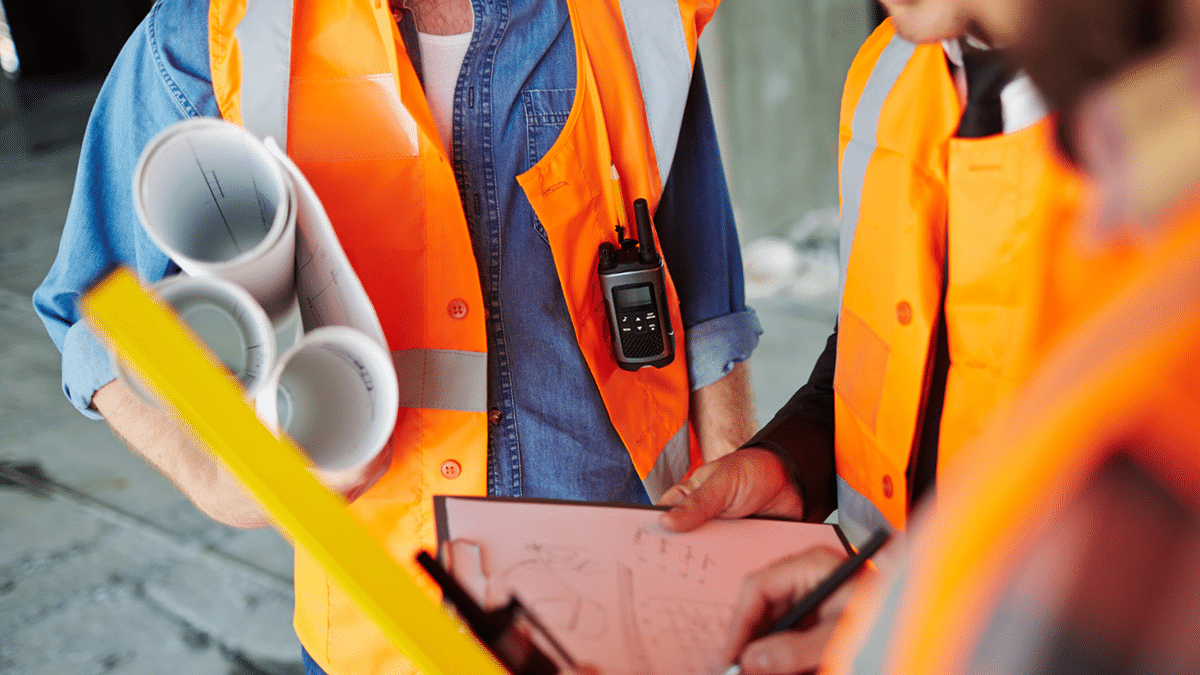
Construction sites across Fort Worth and throughout Texas face constant risks from theft, vandalism, and unauthorized access, making strong site security a critical part of the construction industry. Valuable tools, materials, and heavy machinery attract criminals who know that even a single loss can drive up project costs and delay timelines. Effective protection begins with a thorough site evaluation that identifies weak perimeter areas, unsecured storage zones, and blind spots created during each phase of installation. By addressing these vulnerabilities early, construction managers reduce financial exposure and protect long-term project profitability.
Controlled access is essential on active jobsites where multiple contractors, deliveries, and inspections occur daily. Sign-in procedures, identification verification, and restricted entry points limit who can enter work zones and help prevent theft before it happens. Physical deterrents such as perimeter fencing, alarm systems, and surveillance cameras reinforce these controls by creating visible security layers that discourage criminal behavior. When combined with proper lighting, these systems make after-hours intrusion far more difficult and significantly reduce incidents of vandalism.
Professional security personnel add a human layer of protection that technology alone cannot provide. Trained guards patrol fence lines, monitor equipment yards, and ensure heavy machinery is secured at the end of each shift. Their training allows them to recognize suspicious activity, respond quickly to alarms, and coordinate with site managers or local authorities when needed. Just as important, security officers often serve as the first point of customer service on a construction site, directing visitors, verifying credentials, and maintaining a professional environment that reflects positively on the project and the company behind it.
Modern tracking solutions further strengthen construction site security by monitoring valuable equipment in real time. GPS-enabled systems help recover stolen machinery and support insurance claims, while detailed inventory records create accountability for tools and materials. Together, these measures protect assets, control costs, and support safer, more efficient operations across Fort Worth construction projects. When security is treated as an essential investment rather than an afterthought, construction companies gain stronger risk control, better project continuity, and greater peace of mind from start to finish.
Identifying High-Risk Areas and Theft Vulnerabilities
Active construction sites present unique security challenges because they lack the permanent walls, controlled entry points, and integrated monitoring systems found in completed buildings. This openness makes them attractive targets for theft, especially when valuable materials and equipment sit exposed for long periods. Criminals look for predictable patterns and weak points they can exploit, often returning to the same sites repeatedly once they identify easy access and limited oversight.
Perimeter weaknesses are among the most common entry points. Damaged fencing, unlocked gates, and poorly lit boundaries allow unauthorized access without drawing attention. Thieves often target areas shielded from public view or security cameras, knowing these blind spots provide time to load equipment and leave undetected. Equipment stored in distant corners of a jobsite faces the highest risk during nights, weekends, and holidays when normal operations pause, and fewer people are present.
Location plays a major role in crime exposure. Construction projects adjacent to busy streets give criminals fast escape routes, while sites near residential areas allow them to observe work schedules and delivery routines without raising suspicion. Over time, they learn when expensive excavators, generators, and power tools arrive, where they are stored, and when security coverage is weakest. This intelligence gathering turns unsecured job sites into repeat targets.
A proper security assessment begins with supervisors walking the entire site with a critical eye. Identifying unsecured power tools, exposed copper wiring, vehicles left with keys inside, and scaffolding that provides climbing access helps reveal how easily a theft could occur. Camera blind spots and lighting gaps must also be documented, as these areas often become the first points of intrusion.
Mapping these findings creates a clear picture of where risks concentrate. Marking high-value asset locations alongside existing fencing, lighting, alarms, and camera coverage allows project leaders to see where protections fall short. From there, targeted solutions can be applied, such as adding floodlights to dark zones, reinforcing fencing near public access points, or installing tracking devices on mobile equipment. Addressing the real vulnerabilities of each site leads to stronger theft prevention and more effective construction security overall.
Controlling Site Access and After-Hours Entry Points
Project managers play a critical role in protecting construction sites by putting clear access controls in place that regulate who can enter the property and when. Temporary fencing establishes the first line of defense, clearly defining the work zone and directing all foot and vehicle traffic through designated checkpoints. These controlled entry points support modern security solutions that include sign-in procedures, visitor logs, and visible ID badges, ensuring that every individual on site is authorized and accountable.
Around-the-clock monitoring becomes especially important after normal work hours. Alarm systems installed on gates and access points detect unauthorized entry attempts and trigger immediate alerts, while lighting, video surveillance, and patrol coverage reinforce protection during nights and weekends. Limiting the number of open gates strengthens oversight by reducing blind spots and making it easier to track movement across the site. When workers, subcontractors, and delivery drivers use only approved entry locations, project teams gain better visibility and control without slowing daily operations.
These layered protections safeguard valuable equipment, tools, and building materials while maintaining efficient workflow. Authorized workers can move freely, and inspectors or suppliers can enter after proper verification, keeping the project on schedule. Effective access control also benefits the surrounding community by reducing crime spillover and discouraging trespassing in nearby areas. For business owners, investing in structured site access systems lowers loss risks, protects timelines, and demonstrates responsible project management that supports both safety and long-term success.
Using On-Site Security to Deter Equipment Theft
Security measures that people can see create strong mental barriers that stop thieves from choosing construction sites as targets, especially in busy markets like Fort Worth, where construction activity is constant. Criminals look for easy opportunities, and a site with visible protection immediately signals risk. A uniformed security guard on duty provides active watching and fast response, particularly during high-risk nighttime hours and weekends when theft is most likely to occur. Having guards on site shows that the company invests in professional protection, which significantly reduces theft attempts and unauthorized access.
Security cameras strengthen this deterrent effect while also serving as critical investigation tools. Cameras positioned at gates, equipment storage zones, and areas where expensive materials or machinery are staged capture activity around the clock. Modern surveillance systems include motion sensors and remote access features that allow site managers to monitor operations from their office or home in real time. Clearly posted signage stating that video surveillance is in use increases the psychological impact, discouraging criminals before they attempt entry.
Using both security guards and camera systems creates layered protection that addresses multiple threat scenarios. Guards provide judgment, mobility, and immediate response, while cameras deliver continuous monitoring and documented evidence. Construction sites that rely on this combined approach are far less attractive to thieves searching for low-risk targets. Security personnel also conduct routine patrols, verify visitor identification, and record suspicious behavior in detailed shift reports, adding accountability and structure to site protection efforts.
Digital surveillance systems typically retain footage for 30 to 60 days, supporting law enforcement investigations if theft or vandalism occurs. Access control features such as badge readers, locked perimeter fencing, and controlled entry points add further protection by limiting who can enter the site and when. When site managers perform weekly security audits to identify blind spots or equipment issues, they maintain strong coverage and reduce vulnerabilities. Together, these visible and proactive security strategies protect valuable tools, materials, and timelines while reinforcing a professional and well-managed construction operation.
Implementing Ongoing Monitoring and Loss Prevention Strategies
Good loss prevention on construction sites begins with tracking every tool and piece of equipment through modern digital inventory management systems. These systems give project managers real-time visibility into assets, allowing them to identify missing items almost immediately. When theft occurs, speed matters. Faster detection leads to quicker response, improving the chances of recovery and reducing downtime that can delay project timelines and increase costs.
Today’s inventory tracking technology goes far beyond simple spreadsheets. Barcode scanners, RFID tags, and GPS tracking devices create detailed usage records that show where equipment is located, who last checked it out, and how long it has been in use. This level of transparency discourages internal theft and makes it far more difficult for stolen items to disappear without notice. Construction companies that rely on accurate digital tracking gain better control over high-value assets and reduce unnecessary replacement expenses.
Clear check-in and check-out procedures are essential to make workers and subcontractors accountable for the tools they use. When every transaction is logged, responsibility becomes traceable. Regular physical counts then verify that on-site equipment matches the system records, catching discrepancies early. This routine oversight prevents small losses from quietly accumulating into major financial setbacks.
Analyzing theft data within inventory systems also delivers valuable insights. Patterns often emerge that show when theft happens most frequently, which job phases are most vulnerable, and which equipment types are targeted. Site managers can use this information to place security guards, cameras, and reinforced storage in the areas that need protection the most, creating a smarter and more efficient security strategy.
Linking surveillance camera footage with digital inventory records strengthens loss prevention even further. Video evidence paired with precise asset data creates a clear timeline of events, showing exactly when equipment went missing and who had access to specific areas. This documentation is critical when working with insurance providers and law enforcement, increasing the likelihood of successful claims and prosecutions.
Additional safeguards, such as temperature sensors, motion detectors, and access control systems, add another layer of protection for sensitive or high-value machinery. When inventory tracking, surveillance, and environmental monitoring work together, construction sites benefit from a fully integrated loss prevention program that protects assets, supports accountability, and keeps projects running smoothly.
Areas in Fort Worth Construction Site that Need a Security Guard
Critical security guard placement plays a major role in protecting Fort Worth construction sites from theft and unauthorized access. Entry and exit points require constant guard presence to control who comes on-site and to stop equipment or materials from leaving without approval. Guards stationed near equipment staging areas protect high-value machinery such as excavators, generators, forklifts, and power tools that are prime targets for theft. Material storage zones also demand close monitoring, as copper wiring, lumber, steel, and fixtures are frequently stolen items.
Perimeter boundaries remain another high-risk area, especially along fence lines, gates, and isolated sections of large job sites where criminals attempt to breach security unnoticed. Vehicle parking areas for contractor trucks, trailers, and equipment haulers also benefit from security coverage during nights and weekends. By maintaining a visible and active presence in these locations, professional security guards deter crime, respond quickly to suspicious activity, and create overlapping layers of protection that significantly reduce construction site losses throughout Fort Worth.