
How to Navigate Fort Worth’s Security Permits and Licensing Requirements for New Businesses
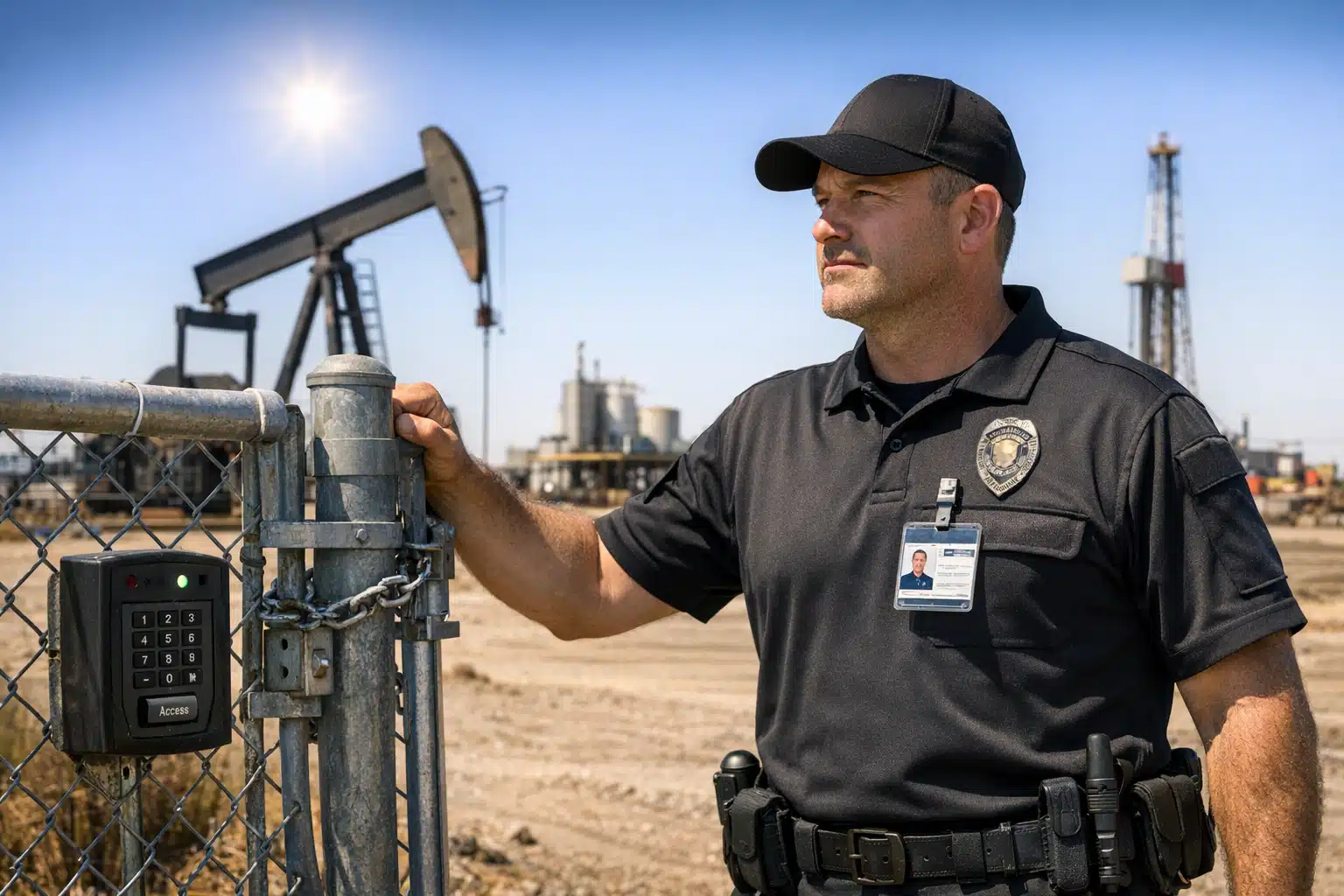
In Fort Worth, all armed and unarmed security officers must obtain a license from the Texas Department of Public Safety. Employing unlicensed security personnel can lead to significant fines and legal liabilities for your business, making compliance with these regulations essential.
Why Security Permits Matter for Fort Worth Businesses
Every armed and unarmed security officer working in Texas must hold a license from the Texas Department of Public Safety. Hiring an unlicensed guard exposes your business to fines and liability.
A valid security permit Fort Worth requirement applies whether you run a Stockyards event venue, an oilfield gate, or an apartment community off West 7th. Skipping the paperwork puts your operation at risk.
This post breaks down each license, who needs it, and the exact steps to stay compliant with Texas rules.
Who Regulates Security Work in Fort Worth
The Texas DPS Private Security Program regulates all security personnel and companies statewide. Fort Worth does not issue its own separate guard license.

Instead, your compliance runs through two layers:
- State level: Texas DPS licensing for guards and companies
- Local level: Fort Worth business registration, zoning, and event permits
Both layers must match before a guard legally patrols your property. Missing either one creates gaps that insurers and courts notice.
State vs. Local Requirements
Texas DPS controls the personal license each officer carries. The City of Fort Worth controls your right to operate a business at a given address.
An oil and gas facility near the Barnett Shale needs both a DPS-licensed guard and a valid Fort Worth business registration for the site.
Step-by-Step Security Permit Fort Worth Guide
Follow this order to get licensed correctly the first time. Each step feeds the next.
- Register your business with the State of Texas. File your entity with the Texas Secretary of State and get an EIN from the IRS.
- Obtain a Fort Worth business registration. Confirm zoning allows your operation at your address, whether Near Southside office or Stockyards venue.
- Apply for a DPS company license if you employ guards. A Security Contractor Company License is required to provide guard staff to others.
- License each guard individually. Every officer needs a Level II (unarmed) or Level III (armed) certification.
- Complete required training. Level III armed officers must finish 45 hours of firearms and use-of-force instruction.
- Submit fingerprints and background checks. DPS runs FBI and state criminal history reviews on each applicant.
- Carry insurance. Texas mandates general liability coverage for licensed security companies.
Most Fort Worth businesses hire a licensed provider instead of managing all seven steps in-house. That shifts the compliance burden to the vendor.
Guard License Levels Explained
Texas splits guard credentials by role and weapon status. Knowing the levels helps you request the right officer.
Level II: Unarmed Security Officers
Level II covers unarmed guards who patrol, observe, and report. Apartment communities in Arlington Heights use them for gate checks and overnight rounds.
Training runs six hours and covers Texas law, ethics, and field notes.
Level III: Armed Security Officers
Level III covers armed guards carrying a handgun on duty. Oil and gas sites and cash-heavy Stockyards venues rely on them for higher-risk posts.
These officers pass a 45-hour course plus a shooting proficiency test. They renew firearm qualification annually.
Level IV: Personal Protection Officers
Level IV covers bodyguards protecting individuals. Concert headliners and executives visiting Fort Worth events request this credential.
Stockyards Event Security and Local Permits
Stockyards event security requires more than a licensed guard. Large gatherings trigger city permit rules on crowd size and alcohol.
Fort Worth may require a special event permit when your attendance crosses posted thresholds. Rodeo weekends and festival crowds fall into this category.
Plan for these local approvals:
- Special event permit for street closures or large venues
- TABC coordination when alcohol is served
- Fire code occupancy limits verified before doors open
- Licensed crowd-management officers matched to headcount
A guard company handling Stockyards crowds should show current DPS licensing on request. Ask before you sign.
Construction Site and Oilfield Compliance
Construction and oil and gas sites carry their own security demands. Copper theft and equipment loss stay common across North Texas job sites.
To protect a Fort Worth construction site, follow these steps:
- Confirm your guard vendor holds a current DPS company license.
- Verify each officer’s individual Level II or Level III card.
- Document post orders for gate control and material tracking.
- Pair on-site officers with remote video surveillance for after-hours coverage.
Oilfield perimeter protection near the Barnett Shale often mixes armed officers with camera monitoring. That layered setup covers wide, remote acreage that guards alone cannot watch.

 Posted on Google
Weather and Monitoring Challenges in North Texas
North Texas weather shapes how security runs on the ground. Summer heat and spring storms both affect staffing and equipment.
Fort Worth summers push past 100 degrees for weeks. Outdoor guard posts need shade, water rotation, and heat breaks written into post orders.
Spring tornado season brings warnings that empty construction sites fast. Remote video surveillance keeps eyes on gates and equipment when crews shelter or evacuate.
Storm damage also opens fences and disables lighting. A monitored camera system flags those breaches before thieves reach exposed materials.
Common Compliance Mistakes to Avoid
Small errors cause the biggest licensing problems. Fort Worth business owners repeat the same few missteps.
- Hiring guards without checking DPS cards. Ask for the pocket card and verify status.
- Skipping local business licensing. State approval does not replace Fort Worth registration.
- Using armed guards without Level III proof. Weapon status must match the credential.
- Letting insurance lapse. Coverage gaps void your protection during a claim.
A licensed vendor handles this verification for you. That protects your business licensing standing and your liability position.
How Twin City Security Fort Worth Helps
Twin City Security Fort Worth staffs DPS-licensed officers across the city. Our guards carry current credentials for Stockyards venues, construction sites, and oil and gas facilities.
We pair on-site officers with remote video surveillance for wide-area coverage. That combination fits large sites, storm-prone seasons, and overnight gaps.
We handle guard licensing and insurance in-house. Your team focuses on running the business, not tracking permit paperwork.
Conclusion
Fort Worth security compliance runs on two tracks: Texas DPS guard licensing and local business registration. Match both before any officer works your property.
The right vendor carries the credentials, insurance, and monitoring tools your site needs. Twin City Security Fort Worth builds that coverage for Stockyards, construction, and oilfield clients.
Call or text 817‑922‑9774, email fortworth@twincitysecurity.com, or visit https://www.twincitysecurityfortworth.com for a Fort Worth security assessment.
Sources
- Texas Department of Public Safety – Private Security Program
- City of Fort Worth – Development Services and Permits
- Texas Alcoholic Beverage Commission – Licensing and Permits
- National Weather Service – Fort Worth/Dallas Forecast Office
Understanding security permits is essential for businesses in Fort Worth, as all security officers must be licensed by the Texas Department of Public Safety. This guide outlines the necessary steps and requirements to ensure compliance with both state and local regulations.
- Every armed and unarmed security officer in Texas needs a license from the Texas DPS. Hiring unlicensed guards can lead to fines and liability for businesses.
- Fort Worth does not issue its own guard licenses; compliance involves both state licensing and local business registration.
- Common mistakes include hiring guards without verifying their DPS cards and neglecting local business licensing requirements.