
Maximizing Security Efficiency with Mobile Patrols in Fort Worth
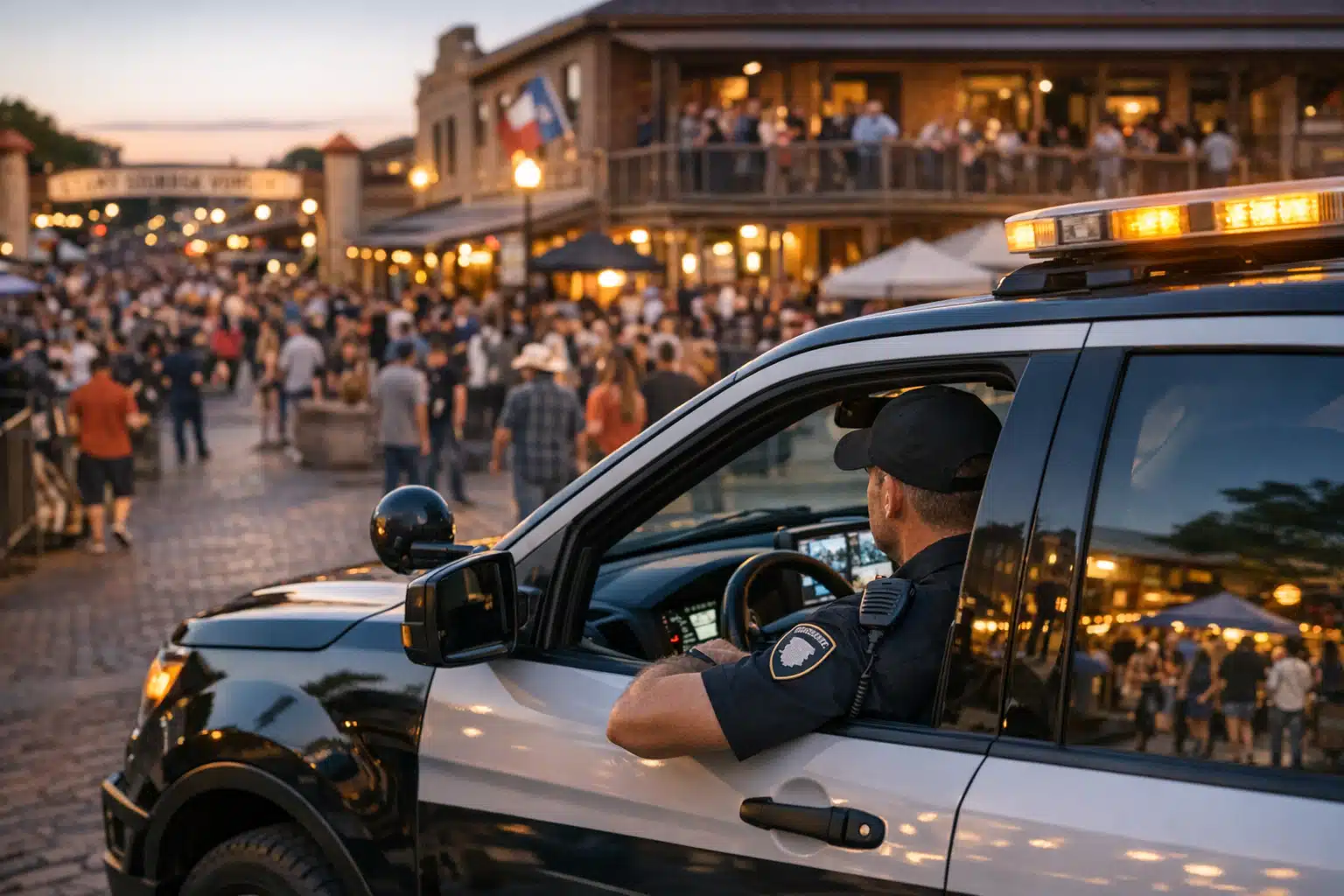
Mobile patrols enhance security efficiency in Fort Worth by reducing property crimes by 12% compared to static guard posts. Their effectiveness relies on strategic zone mapping that considers local weather patterns, event schedules, and vulnerabilities at construction sites, allowing for a more responsive and adaptable security presence.
Fort Worth property crimes dropped 12% in areas with active mobile patrol coverage compared to static guard posts, according to recent police district data. Smart mobile patrol efficiency depends on strategic zone mapping that accounts for North Texas weather patterns, Stockyards event schedules, and construction site vulnerabilities.
This strategic approach to Fort Worth security maximizes guard effectiveness while reducing operational costs for businesses across Cowtown.
Mobile Patrol Efficiency Starts With Zone Mapping
Effective mobile patrol deployment begins with dividing your property into coverage zones based on risk levels and response times. High-traffic areas like Stockyards venues require 15-minute patrol intervals during peak hours.
Low-risk zones can extend to 45-minute intervals without compromising security effectiveness. This zone-based approach allows one guard to cover territory that would require three static posts.
Risk Assessment for Fort Worth Properties
Each property type in Fort Worth faces distinct security challenges:
- Construction sites: Equipment theft peaks between 6 PM and 6 AM
- Apartment complexes: Vehicle break-ins concentrate near parking areas
- Stockyards venues: Crowd control issues spike during weekend events
- Oil and gas facilities: Perimeter breaches occur during shift changes
Map these risk patterns against your property layout to create patrol routes that address vulnerabilities during peak threat windows.
Timing Mobile Patrols for Maximum Fort Worth Security Coverage
Fort Worth crime statistics show property incidents peak between 10 PM and 3 AM across most business districts. Mobile patrols should increase frequency during these hours while maintaining visible presence during daylight transitions.
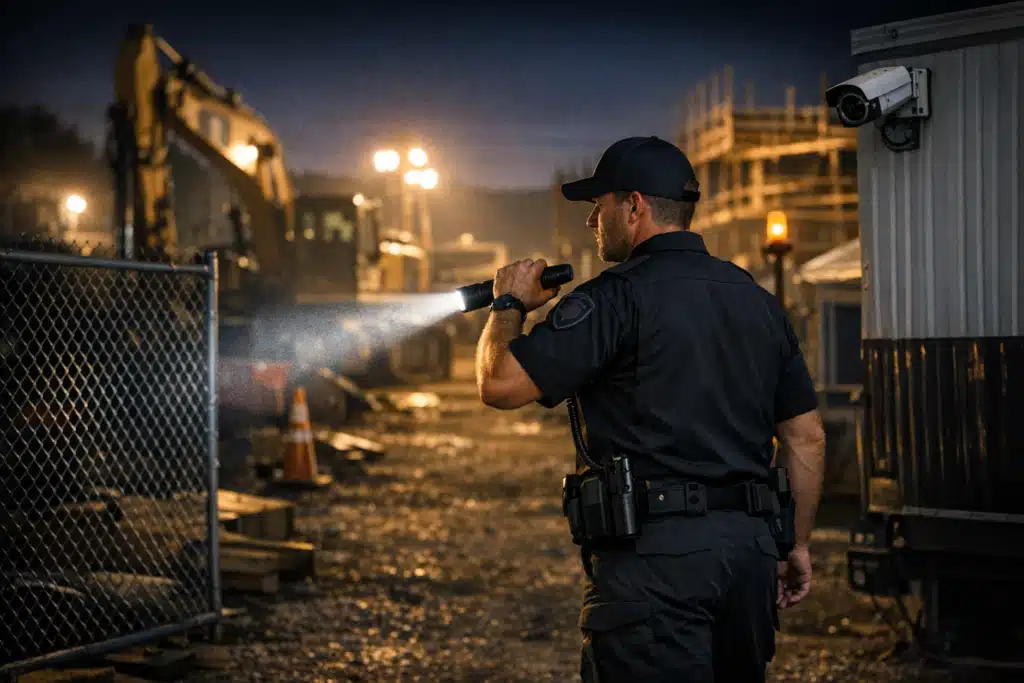
Weather impacts patrol timing significantly in North Texas. Summer heat above 95°F requires shorter patrol segments with climate-controlled rest periods. Tornado season demands rapid shelter protocols that static guards cannot execute effectively.
Seasonal Patrol Adjustments
Spring construction season brings increased equipment theft to job sites. Mobile patrols should focus on perimeter checks every 20 minutes rather than interior walkthroughs.
Winter holiday periods see retail and warehouse break-ins increase 30% in Fort Worth. Extend patrol hours and reduce interval timing during November through January.
Technology Integration for Enhanced Mobile Patrol Efficiency
Modern mobile patrols combine physical presence with remote monitoring capabilities. Guards equipped with body cameras and two-way radios connect directly to central monitoring stations.
GPS tracking ensures patrol routes follow prescribed patterns while allowing flexible response to emerging situations. Real-time communication prevents the isolation issues that plague single-location posts.
Digital Checkpoint Systems
QR code checkpoints at key locations verify patrol completion and timing. This system works better than traditional punch clocks because guards can report issues immediately without returning to a fixed station.
Smart checkpoint placement focuses on areas with previous security incidents or high-value asset locations. Stockyards properties benefit from checkpoints near cash handling areas and equipment storage.
Cost Analysis: Mobile Patrols vs Static Guards
One mobile patrol guard covers the same area as three static posts at 60% of the labor cost. This efficiency comes from eliminating duplicate coverage while maintaining comprehensive security presence.
Fort Worth businesses save an average of $2,400 per month switching from three static guards to one mobile patrol officer covering equivalent territory. Equipment costs remain similar, but patrol vehicles require fuel and maintenance considerations.
Return on Investment Calculations
Calculate mobile patrol ROI using these Fort Worth-specific factors:
- Current static guard costs multiplied by coverage hours
- Mobile patrol hourly rates plus vehicle operational costs
- Incident prevention value based on your property’s theft history
- Insurance premium adjustments for improved security measures
Most Fort Worth properties see positive ROI within 90 days of implementing strategic mobile patrols.
Weather Response Protocols for North Texas Conditions
Mobile patrol efficiency requires specific protocols for North Texas weather extremes. Summer temperatures above 100°F limit outdoor patrol segments to 30-minute intervals with mandatory hydration breaks.
Tornado warnings trigger immediate shelter protocols that mobile guards can execute faster than static posts. Pre-designated safe zones and communication procedures keep guards protected while maintaining property oversight.
Severe Weather Adaptations
Ice storms common in Fort Worth winters require patrol route modifications to avoid hazardous areas while maintaining security coverage. Vehicle-based patrols provide safer options than foot patrols during these conditions.
Hail damage prevention becomes a mobile patrol priority during spring storm seasons. Guards can move vehicles under cover and secure loose materials before storms hit.

 Posted on Google
Specialized Mobile Patrol Routes for Fort Worth Areas
Stockyards properties require patrol routes that account for tourist foot traffic and weekend event crowds. Mobile patrols can adjust timing based on venue schedules rather than following rigid static patterns.
Near Southside industrial areas need perimeter-focused routes that check fence lines and gate access points. Interior patrols matter less than preventing unauthorized entry attempts.
Construction Site Patrol Strategies
Active construction sites benefit from unpredictable patrol timing that prevents thieves from learning guard schedules. Random interval mobile patrols deter equipment theft more effectively than predictable rounds.
Multi-level construction requires patrol routes that check ground-level storage and upper-floor material staging areas. Mobile guards can cover vertical territory faster than static posts.
Communication and Reporting Systems
Effective mobile patrol efficiency depends on real-time communication with supervisors and clients. Guards should report significant observations within 15 minutes rather than waiting for shift-end reports.
Digital reporting systems allow mobile patrols to document incidents with photos and GPS coordinates immediately. This information helps refine patrol routes and timing based on actual security events.
Client Communication Protocols
Fort Worth business owners prefer text message alerts for urgent issues and email summaries for routine patrol reports. Mobile guards can send updates from any location rather than returning to a fixed communication point.
Weekly route analysis helps optimize patrol efficiency by identifying areas with no incidents that may need reduced coverage and problem spots requiring increased attention.
Training Requirements for Mobile Patrol Guards
Mobile patrol guards need broader skill sets than static post officers. Vehicle operation, emergency response, and area geography knowledge become more important than reception duties.
Texas security licensing requirements remain the same, but mobile guards benefit from defensive driving certification and first aid training. These skills prove valuable during extended patrol coverage.
Local Knowledge Development
Fort Worth mobile patrol guards should learn neighborhood layouts, police response times, and local business patterns. This knowledge improves response effectiveness and client communication.
Stockyards area guards need crowd management skills during rodeo events and weekend festivals. Construction site guards focus on equipment identification and contractor verification procedures.
Mobile patrol efficiency maximizes Fort Worth security coverage through strategic zone mapping, weather-adapted protocols, and technology integration. Smart deployment reduces costs while improving incident response times and deterrent effectiveness.
Contact Twin City Security Fort Worth at 817-922-9774 for a customized mobile patrol assessment that addresses your property’s specific security challenges and operational requirements.
Sources
- Fort Worth Police Department – Crime Statistics and Prevention
- U.S. Bureau of Labor Statistics – Security Guards Occupational Outlook
- Texas Department of Licensing and Regulation – Private Security Program
- National Weather Service Fort Worth – Local Weather Hazards
Fort Worth has seen a 12% reduction in property crimes in areas with mobile patrols compared to static guards. This approach combines strategic zone mapping, weather considerations, and technology to enhance security efficiency and reduce costs for businesses.
- Mobile patrols are more effective than static guards, covering the same area with fewer personnel and lower costs. They adapt patrol timing based on crime patterns and local events to maximize security. Technology integration, such as GPS tracking and digital checkpoints, enhances real-time communication and incident reporting.
- Fort Worth property crimes dropped 12% in areas with active mobile patrol coverage compared to static guard posts, according to recent police district data.
- Smart mobile patrol efficiency depends on strategic zone mapping that accounts for North Texas weather patterns, Stockyards event schedules, and construction site vulnerabilities.