
Why Fort Worth Businesses Should Consider Mobile Patrols During Off-Hours
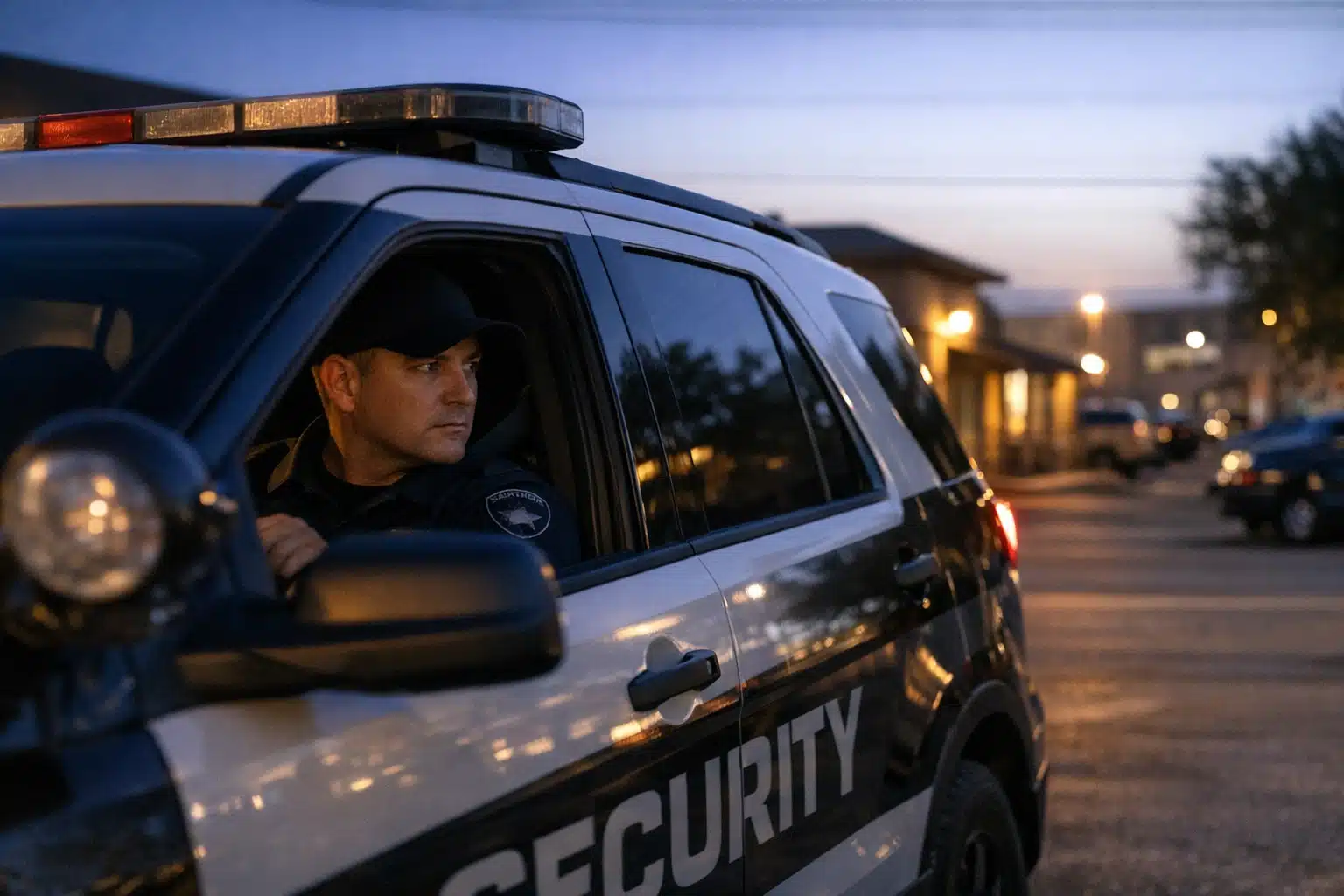
Fort Worth businesses should consider mobile patrols during off-hours to enhance security and deter crime. With over 30,000 property crime incidents reported, especially after hours, having trained officers in marked vehicles can provide a visible presence that discourages theft and vandalism in empty parking lots and construction sites.
Fort Worth reported over 30,000 property crime incidents in a recent year, and many happened after businesses locked up for the night. Empty parking lots, dark construction sites, and quiet oil pads draw thieves once foot traffic drops. Mobile patrols put trained officers in marked vehicles moving across your property during the hours you cannot watch it. This post breaks down how off-hours patrols work in Fort Worth, where they help most, and what to expect when you hire them.
What Mobile Patrols Actually Do During Off-Hours
Mobile patrols are scheduled and random vehicle checks of your property by a licensed security officer. Officers drive marked units, walk key areas, and log each visit.
The goal is unpredictability. A thief casing a Near Southside warehouse cannot time a patrol that arrives at 1:14 a.m. one night and 3:40 a.m. the next.
During a single stop, an officer might:
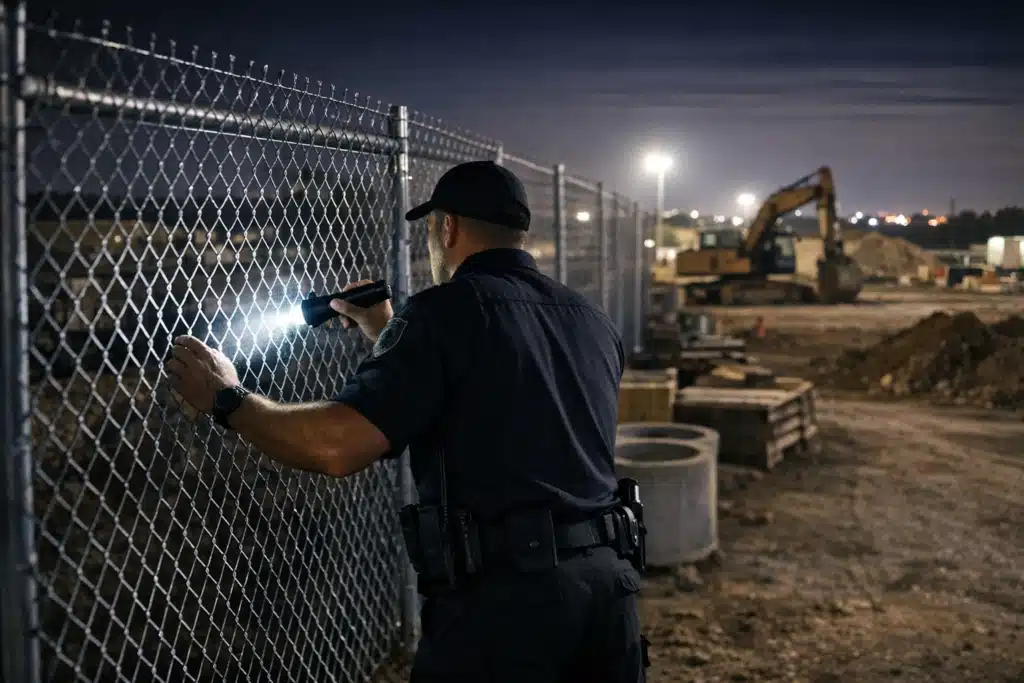
- Check perimeter fencing and gate locks
- Test door handles on office and storage buildings
- Inspect equipment yards for tampering
- Clear loiterers from parking areas
- Verify lighting is working and cameras are unobstructed
- File a timestamped report with photos
Off-hours security covers the window when your staff has gone home but your assets stay exposed. For most Fort Worth businesses, that means roughly 8 p.m. to 6 a.m.
Why Fort Worth Sites Need Moving Coverage After Dark
Stationary cameras record crime. Mobile patrols interrupt it. A parked vehicle with a live officer changes what a trespasser decides to do.
Fort Worth’s spread matters here. A business near West 7th sits minutes from residential streets where suspects vanish fast. Officers who circulate cut that escape window short.
Construction Sites Between Fort Worth and Alliance
Copper wire, catalytic converters, and diesel fuel go missing from active builds. Theft spikes on Friday and Saturday nights when crews are gone for two days.
A patrol that hits the site four to six times overnight breaks that pattern. Officers document material counts and flag cut fences before Monday.
Oil and Gas Facilities in the Barnett Shale
Remote pads and tank batteries around Tarrant County face copper theft and equipment tampering. Railroad Commission of Texas rules hold operators responsible for site safety and spill prevention.
Mobile patrols reach scattered locations one truck cannot staff full-time. An officer can check six sites in a loop instead of manning one gate.
Stockyards Venues After Events Wrap
The Stockyards draws large crowds for rodeos, concerts, and weekend nightlife. Once venues close, the risk shifts to break-ins, vandalism, and lingering intoxicated patrons.
Patrols timed to closing hours help clear lots, secure entrances, and watch for damage before staff returns.
How Mobile Patrols Compare to a Stationary Guard
Both have a place. The right pick depends on your property size and risk pattern.
When a Fixed Guard Fits Better
- A single entrance needing constant access control
- High-value inventory in one building
- Front-desk or visitor screening duties
When Mobile Patrols Win
- Large lots or multiple buildings on one site
- Several properties spread across Fort Worth
- Budgets that cannot cover a guard on-site all night
- Sites needing visible deterrence more than a fixed post
Patrols cost less than round-the-clock staffing because one officer covers many stops. A shopping strip in Arlington Heights and an apartment community off Camp Bowie can share the same route.
North Texas Weather and Patrol Planning
Fort Worth weather shapes off-hours risk. Officers on the ground respond to conditions cameras miss.
Spring Storms and Tornado Season
March through June brings hail and high wind to Tarrant County. After a storm, patrols check for downed fencing, broken glass, and roof damage that leaves buildings open.
An officer spotting a blown-open bay door at 2 a.m. can secure it before rain ruins inventory.
Summer Heat and Equipment Strain
Triple-digit July nights push cooling systems and generators hard. Patrol officers flag overheating equipment, propped-open doors, and stressed workers on late shifts.
What to Expect When You Hire Mobile Patrols in Fort Worth
Follow these steps to set up off-hours coverage that matches your site.
- Book a site walk. An officer reviews entrances, blind spots, lighting, and past incidents with you.
- Set patrol frequency. Decide how many stops per night and at what spread of hours.
- Define check points. Mark gates, doors, and equipment officers must verify each visit.
- Choose reporting. Pick photo logs, GPS timestamps, and alert thresholds.
- Set escalation rules. Confirm who officers call for police, fire, or your on-call manager.
Texas licenses security officers under the Department of Public Safety Private Security Program. Ask any provider for their company and officer license numbers before signing.

 Posted on Google
Pairing Patrols With Remote Video Surveillance
Mobile patrols and live camera monitoring work well together. Cameras catch movement. Officers respond in person.
A remote operator watching a Near Southside lot can dispatch a nearby patrol the moment motion trips a camera. That cuts response time to minutes.
This pairing gives smaller businesses coverage that once required a full guard force. You get eyes on the property and boots on the ground without staffing every hour.
Signs Your Fort Worth Business Needs Off-Hours Patrols
Watch for these warning signs on your property:
- Repeat break-ins or attempted entries after closing
- Cut fences, damaged locks, or graffiti appearing overnight
- Missing tools, wire, fuel, or catalytic converters
- Trespassers or vehicles in your lot after hours
- Insurance carriers asking for documented security measures
Any two of these together point to a coverage gap patrols can close.
Conclusion
Mobile patrols give Fort Worth businesses moving, visible protection during the hours crime rises and staff goes home. From Stockyards venues to Barnett Shale pads, roving officers deter theft, respond to storms, and document every visit. Contact Twin City Security Fort Worth at 817‑922‑9774, text 817‑922‑9774, or email fortworth@twincitysecurity.com for a site assessment built for your property.
Sources
- FBI – Crime Data Explorer
- Texas Department of Public Safety – Private Security Program
- Railroad Commission of Texas – Oil and Gas Regulation
- National Weather Service – Fort Worth/Dallas Forecast Office
Fort Worth businesses face significant property crime risks during off-hours, with over 30,000 incidents reported recently. Mobile patrols provide trained officers who monitor properties, enhancing security when businesses are closed.
- Mobile patrols conduct scheduled and random checks to deter theft and vandalism. Officers log visits and inspect key areas like fencing and lighting. This service is especially beneficial for large properties or those spread across Fort Worth.
- Patrols are effective at construction sites and oil facilities, where theft is common after hours. Officers can cover multiple locations, ensuring comprehensive security without the cost of full-time guards.
- Businesses should consider mobile patrols if they experience repeated break-ins or notice signs of tampering. This proactive approach helps protect assets and provides peace of mind.